
Short Hairstyles
Discover the best short hairstyles for men. Explore textured crops, crew cuts, buzz fades, French crops, and Caesar cuts. Learn low-maintenance morning routines, matte clay styling, and barber tips for sharp, masculine style.
All Posts on Short Hairstyles
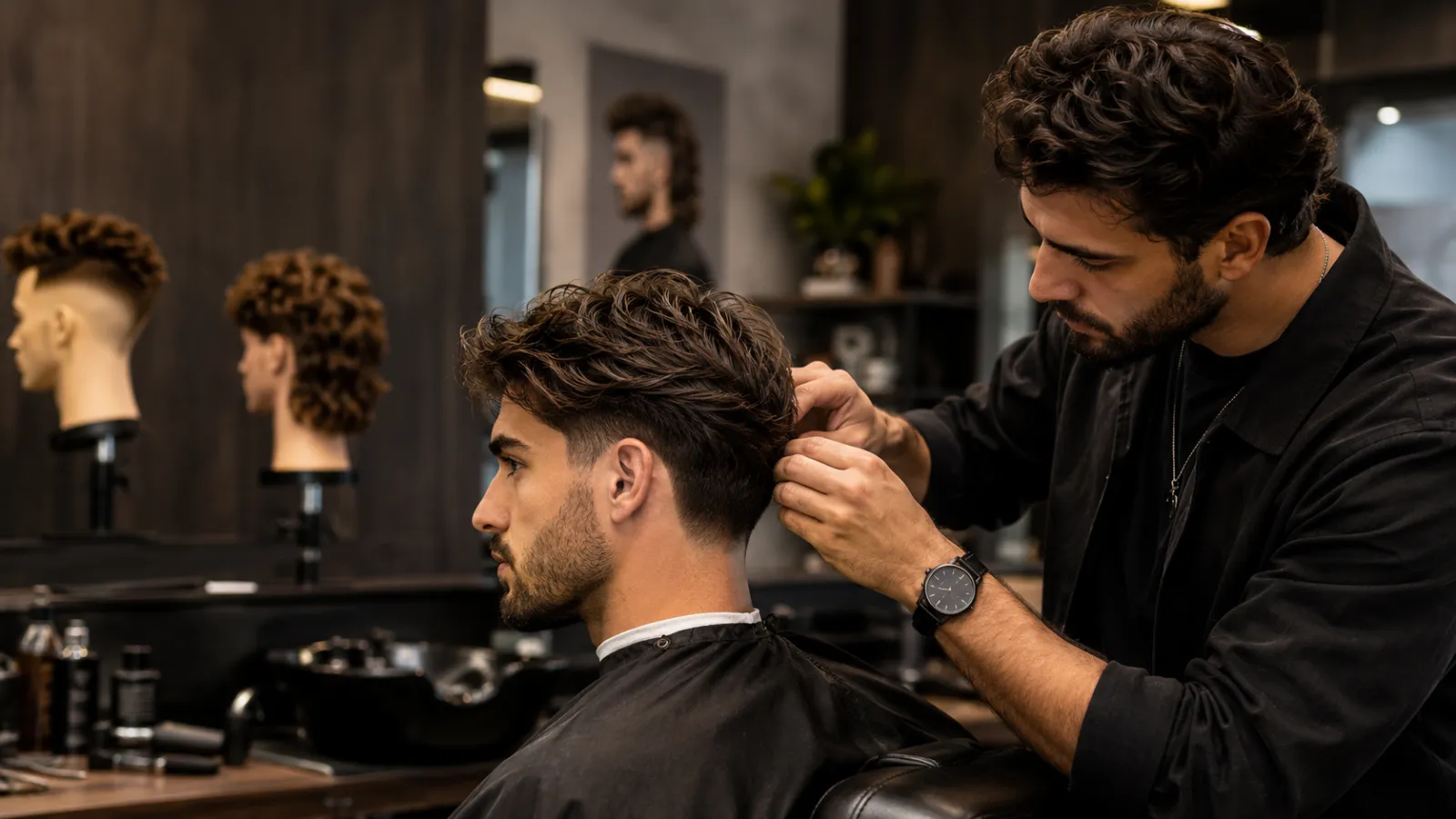

100+ Ideas To Choosing The Right Cut for Your Style, Hair Type, and Lifestyle
Men’s haircuts have become far more individual in recent years. The old idea that a man simply chooses between a short h...
Read More about 100+ Ideas To Choosing The Right Cut for Your Style, Hair Type, and Lifestyle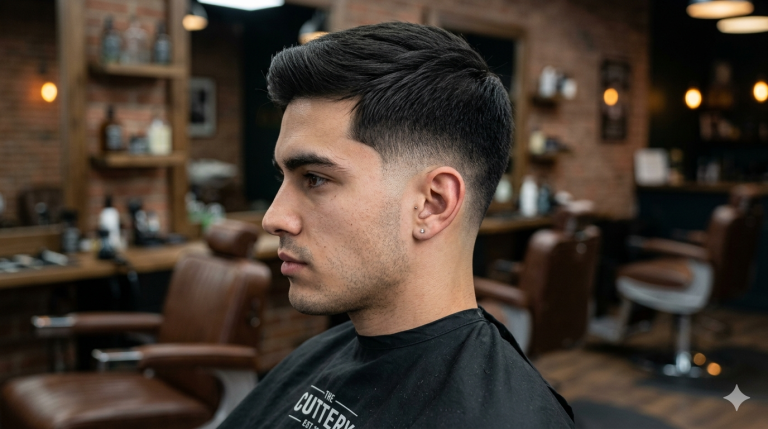

Low Taper Fade Styles for Straight Hair: Best Haircuts for Men
Straight hair and a low taper fade go hand in hand. The smooth, flat texture of straight hair makes the fade look crisp...
Read More about Low Taper Fade Styles for Straight Hair: Best Haircuts for Men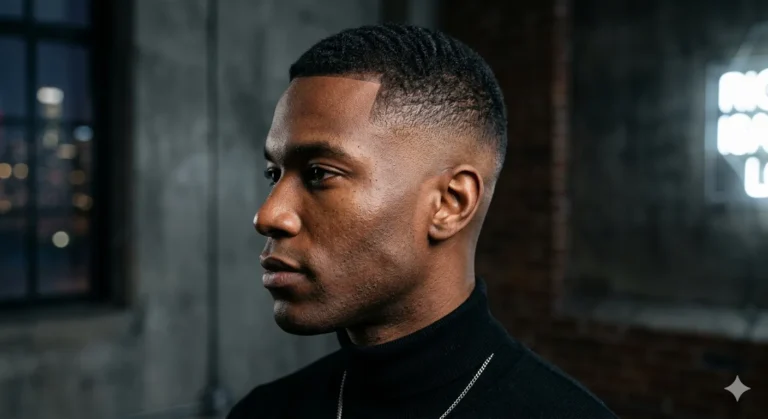
Low Taper Fade Without Beard: Styles, Tips and Everything You Need to Know
Nobody told me this when I first started getting fades — you do not need a beard for the cut to look good. I used to bel...
Read More about Low Taper Fade Without Beard: Styles, Tips and Everything You Need to Know
Low Taper Fade for Street Style: The Complete Guide for Men (2026)
Fresh cut, clean sides, a bit of texture on top. No effort, no overthinking. It just works. That is what a low taper fad...
Read More about Low Taper Fade for Street Style: The Complete Guide for Men (2026)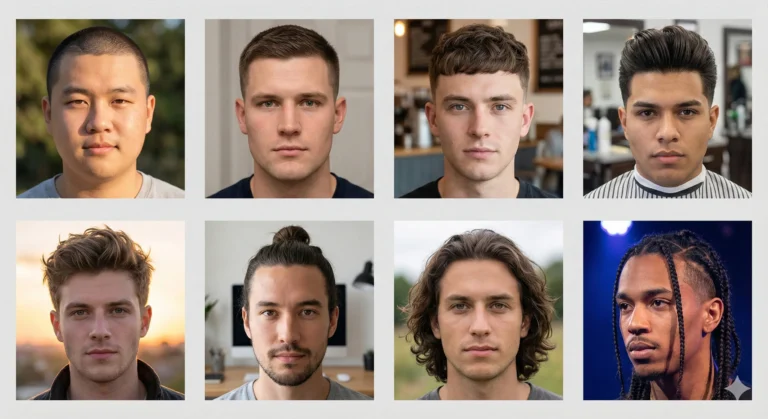
Haircuts & Styles: A Simple Guide for Men (With Face Shapes + Hair Types)
A good men's haircut can improve your appearance. If the style matches your face and routine, you look better. This guid...
Read More about Haircuts & Styles: A Simple Guide for Men (With Face Shapes + Hair Types)Men's Short Hairstyles Guide: Textured Crops, Crews & Fades
Short hairstyles remain the most popular, practical, and enduring choice for men worldwide. Offering the perfect blend of athletic functionality, crisp masculine aesthetics, and rapid morning styling routines, a great short haircut keeps you looking sharp with minimal daily effort. In modern barbering, short hair is anything but boringencompassing textured French crops, Caesar cuts, precision crew cuts, short quiffs, and clean skin fades. Whether you have thick straight hair, unruly waves, or fine thinning hair, short haircuts maximize natural density and define your jawline. This comprehensive guide covers top short haircut styles, face shape matching, texturizing methods, and daily matte clay styling routines.
Historical Evolution and Cultural Context
Short hair in menswear has long been associated with athletic discipline and martial readiness, dating back to Roman legionnaires wearing Caesar crops. In the 20th century, short hair became the global standard through military regulations and sport practicality. The modern short hair movement in barbering is driven by advanced point-cutting shear techniques and micro-textured matte clays, allowing short cuts to deliver rich visual depth and modern streetwear flair.
Key Styles, Cut Anatomy, and Variations
Top short haircut variations for men:
- The Textured French Crop: Short blunt or textured fringe with skin-faded sides; the ultimate modern low-maintenance cut.
- The Classic Crew Cut: Graduated length on top peaking at the front hairline with tapered sides.
- The Short Textured Quiff: 1.5 to 2 inches at the front brushed upward with short faded sides.
- The Caesar Cut: Uniform short length with a straight horizontal fringe across the forehead.
Face Shape and Hair Texture Compatibility Matrix
Selecting the optimal haircut requires understanding how hair density, curl pattern, and cranial bone structure interact:
| Short Haircut Style | Top Length | Best Hair Texture | Styling Time |
|---|---|---|---|
| Textured French Crop | 1.0 1.5 inches | Straight, Wavy, Thick | 60 seconds |
| Short Quiff | 1.5 2.5 inches | Straight, Wavy | 2 minutes |
| Classic Crew Cut | 0.75 1.25 inches | All hair types | 30 seconds |
Step-by-Step Styling and Barber Execution Protocol
Follow this sequential framework to achieve salon-quality styling and structural hold at home:
- Wash and Towel Dry: Towel dry hair lightly after showering.
- Apply Matte Clay to Dry Hair: Rub a pea-sized amount of matte clay between palms until clear.
- Rake Through Roots: Work product from back to front, using your fingers to pinch and separate textured pieces on top.
Essential Products, Formulations, and Styling Tools
Mastering hair texture requires the proper combination of pre-stylers, finishing clays, and professional tools:
Requires matte styling clay, texture powder, and a vented brush.
Professional Barbershop Secrets and Edge Precision
Incorporate these master barber techniques to maintain clean contours and sharp graduation between appointments:
Sprinkling a tiny amount of silica texture powder onto dry roots instantly doubles visual hair volume without leaving any greasy residue.
Common Haircut Mistakes and How to Avoid Them
Avoid these frequent styling pitfalls that compromise hair health and visual balance:
- Over-Applying Heavy Pomade: Heavy waxes make short hair look thin and flat; always use lightweight matte clays.
Seasonal Care and Maintenance Cadences
Environmental fluctuations impact hair cuticle hydration and scalp sebum production. Adapt your regimen across seasons:
Short hairstyles are ideal for active summer months and remain sharp and clean under winter beanies.
Barbershop Communication, Terminology, and Consultation Guide for Short Hairstyles
Achieving your ideal haircut requires clear, precise communication with your master barber. Never rely solely on generic names like 'short back and sides' or 'medium fade,' as barber interpretations vary widely. When requesting short hairstyles, specify exact guard numbers (e.g., '#1 closed tapering into a #2 on the temples'), define your preferred neckline finish (tapered vs. squared vs. rounded), state whether you want scissor texture or point-cutting on top, and bring two or three high-resolution reference photographs displaying the front, side profile, and back angles. An expert barber will assess your hair growth whorls, cowlicks, temporal recession, and skull geometry to customize the perimeter boundaries to your unique anatomy.
Blow-Drying Mechanics, Directional Airflow, and Pre-Styling Chemistry
Eighty percent of any great hairstyles volume, texture, and structural direction is established during the initial blow-dry rather than by finishing products alone. Apply a heat-activated pre-stylersuch as a mineral sea salt spray or lightweight grooming tonicto clean, towel-damp hair. Use a vented tunnel brush or round boar-bristle brush while blow-drying on medium heat, directing the airflow from roots to tips in the natural direction of desired hair flow. Maintain the dryer nozzle at a 45-degree angle approximately three inches from the hair to avoid scorching the keratin cuticle. Conclude the blow-dry with a 10-second blast of cold air (the 'cool shot' button) to contract the cuticle layer, lock the volume in place, and impart natural shine.
Scalp Health, Follicular Longevity, and Trimming Schedules
Healthy, vibrant hair requires an optimal scalp environment. The human scalp contains over 100,000 hair follicles that produce natural protective sebum. To prevent sebum buildup, follicular inflammation, and fungal flaking (Malassezia), wash your hair two to three times weekly with a sulfate-free botanical cleanser, massaging the scalp with circular fingertip pressure to stimulate microvascular perfusion. Schedule precision maintenance trims according to your style's requirements: short fades and precision line-ups require touch-ups every two weeks, classic crew cuts and tapers every three to four weeks, and medium-to-long textured flow styles every six to eight weeks to eliminate split ends and maintain clean geometric proportions.
Barbershop Communication, Terminology, and Consultation Guide for Short Hairstyles
Achieving your ideal haircut requires clear, precise communication with your master barber. Never rely solely on generic names like 'short back and sides' or 'medium fade,' as barber interpretations vary widely. When requesting short hairstyles, specify exact guard numbers (e.g., '#1 closed tapering into a #2 on the temples'), define your preferred neckline finish (tapered vs. squared vs. rounded), state whether you want scissor texture or point-cutting on top, and bring two or three high-resolution reference photographs displaying the front, side profile, and back angles. An expert barber will assess your hair growth whorls, cowlicks, temporal recession, and skull geometry to customize the perimeter boundaries to your unique anatomy.
Blow-Drying Mechanics, Directional Airflow, and Pre-Styling Chemistry
Eighty percent of any great hairstyles volume, texture, and structural direction is established during the initial blow-dry rather than by finishing products alone. Apply a heat-activated pre-stylersuch as a mineral sea salt spray or lightweight grooming tonicto clean, towel-damp hair. Use a vented tunnel brush or round boar-bristle brush while blow-drying on medium heat, directing the airflow from roots to tips in the natural direction of desired hair flow. Maintain the dryer nozzle at a 45-degree angle approximately three inches from the hair to avoid scorching the keratin cuticle. Conclude the blow-dry with a 10-second blast of cold air (the 'cool shot' button) to contract the cuticle layer, lock the volume in place, and impart natural shine.
Scalp Health, Follicular Longevity, and Trimming Schedules
Healthy, vibrant hair requires an optimal scalp environment. The human scalp contains over 100,000 hair follicles that produce natural protective sebum. To prevent sebum buildup, follicular inflammation, and fungal flaking (Malassezia), wash your hair two to three times weekly with a sulfate-free botanical cleanser, massaging the scalp with circular fingertip pressure to stimulate microvascular perfusion. Schedule precision maintenance trims according to your style's requirements: short fades and precision line-ups require touch-ups every two weeks, classic crew cuts and tapers every three to four weeks, and medium-to-long textured flow styles every six to eight weeks to eliminate split ends and maintain clean geometric proportions.
Summary and Personal Aesthetic Philosophy
Your hairstyle is the primary architectural frame of your face and the most visible expression of your personal aesthetic. By understanding your facial geometry, selecting the proper cut, investing in quality styling products, and maintaining regular barber appointments, you project an enduring aura of confidence, grooming discipline, and effortless style.
Frequently Asked Questions
Got questions? We've got answers. Explore our most asked questions about short hairstyles.
The textured French crop and the buzz cut with skin fade are the lowest-maintenance haircuts, requiring almost zero morning styling time.
Apply sea salt spray to damp hair, blow-dry with fingers, and work a pea-sized amount of matte clay through the dry hair to pinch out texture.
A French crop features short faded sides paired with a short textured top and a cropped blunt or textured fringe over the forehead.
Short haircuts should be trimmed every 2 to 3 weeks to keep the side fade sharp and the top length in proportion.
Yes. Short hair reduces the weight pulling follicles down, minimizing contrast between thin areas and creating the optical illusion of thicker hair.
Use a matte styling clay or styling paste with bentonite clay, which provides firm pliable hold with zero shine.