
Men's Fashion
Discover the definitive destination for modern men's style. Our curated guide covers sharp tailored suiting, premium selvedge denim, essential basics, technical outerwear, and refined accessories to help you build a versatile capsule wardrobe that elevates your everyday aesthetic.
All Posts on Men's Fashion
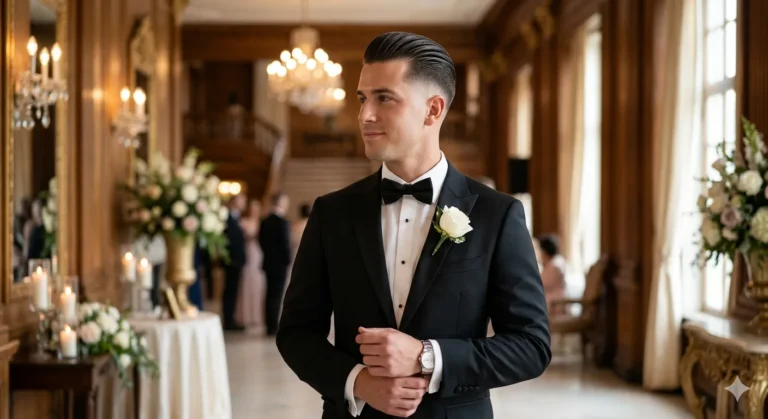

Low Taper Fade for Wedding: The Best Groom Hairstyles to Try
Most guys spend months sorting out their wedding look. The sherwani or suit gets finalized early. Shoes get picked. Acce...
Read More about Low Taper Fade for Wedding: The Best Groom Hairstyles to Try
Low Taper Fade for Street Style: The Complete Guide for Men (2026)
Fresh cut, clean sides, a bit of texture on top. No effort, no overthinking. It just works. That is what a low taper fad...
Read More about Low Taper Fade for Street Style: The Complete Guide for Men (2026)The Definitive Men's Fashion Guide: Style, Fit & Capsule Wardrobes
Modern men's fashion has undergone an unprecedented renaissance, evolving from rigid historical sartorial rules into a dynamic, expressive landscape where bespoke tailoring, heritage workwear, and modern minimalism coexist in perfect harmony. Navigating this vast landscape is not about mindlessly following fast-fashion trends, but rather about mastering the foundational principles of fit, fabric quality, color coordination, and proportion. A well-curated wardrobe functions as an architectural system where each garment complements another, providing effortless versatility for boardrooms, casual weekends, and formal evenings alike. This definitive guide provides a comprehensive roadmap to building an enduring personal wardrobe, understanding textile chemistry, evaluating craftsmanship, and dressing with intention and quiet confidence.
Historical Evolution and Cultural Context
The trajectory of menswear over the past century reflects dramatic shifts in cultural values, technological innovation, and societal freedom. In the early 20th century, rigid Edwardian codes mandated strict uniforms of frock coats and structured three-piece suits. The mid-century postwar era democratized casual attire, introducing iconic pieces like leather motorcycle jackets, Hawaiian shirts, and Levi's raw denim. The 1970s brought wide lapels and bold patterns, the 1990s stripped style back to utilitarian minimalism, and the 2010s saw the explosion of high-end streetwear and luxury athleisure. Today's menswear landscape celebrates individual expression, where bespoke Savile Row craftsmanship blends effortlessly with technical performance fabrics and relaxed modern silhouettes.
Core Silhouettes, Essential Garments, and Classifications
A resilient men's wardrobe is constructed around foundational garment categories that maximize outfit combinations:
- Tailored Suiting & Blazers: A two-piece navy or charcoal suit in Super 110s130s worsted wool serves as the cornerstone of formal dressing. Unstructured blazers in hopsack or linen offer breezy smart-casual versatility.
- Essential Shirting: Oxford Cloth Button-Downs (OCBD) in white and light blue bridge the gap between casual and formal wear, while crisp poplin dress shirts anchor business attire.
- Versatile Trousers: Mid-rise flat-front chinos in khaki, navy, and olive, paired with grey wool flannel trousers and dark indigo selvedge denim, provide the foundation for 90% of all social occasions.
- Fine-Gauge Knitwear: 100% Merino wool crewnecks, cashmere V-necks, and knit polo shirts deliver lightweight warmth and rich visual texture.
- Outerwear Classics: A water-resistant trench coat, a single-breasted wool overcoat, a suede bomber, and a technical shell jacket provide seasonal protection and silhouette structure.
Proportions and Dress Code Compatibility Matrix
Achieving sartorial excellence requires understanding how specific garments and silhouettes harmonize across different social contexts, dress codes, and anatomical proportions:
| Dress Code | Core Outfit Formula | Footwear Choice | Key Styling Rule |
|---|---|---|---|
| Casual | Dark denim + heavy t-shirt + chore jacket | Minimal white leather sneakers | Focus on premium natural fabrics and clean fit |
| Smart Casual | Unstructured blazer + knit polo + tailored chinos | Suede Chelsea boots or penny loafers | Elevate casual basics with rich textures |
| Business Casual | Wool trousers + OCBD shirt + Merino crewneck | Brown leather Derby shoes or brogues | No denim or athletic wear; crisp trouser break |
| Business Professional | Matched two-piece suit + dress shirt + silk tie | Black or dark brown cap-toe Oxfords | Impeccable shoulder fit; 1/2 inch cuff exposed |
| Black Tie | Black/midnight tux + pleated shirt + silk bow tie | Patent leather Oxfords or velvet slippers | Satin lapels; no belt (side adjusters only) |
Step-by-Step Outfit Construction and Layering Protocol
Constructing an immaculate ensemble requires a systematic approach to fit, texture balance, and color harmony. Follow this sequential framework:
- Audit and Declutter: Remove garments that no longer fit properly or align with your aesthetic. Identify core gaps in your wardrobe rotation.
- Establish a Cohesive Palette: Anchor your wardrobe around versatile neutral tones: navy, charcoal, heather grey, white, olive, and camel. These colors pair effortlessly without clashing.
- Master the Rule of Three in Layering: Combine a foundational base layer (e.g., crisp white tee), a textured mid-layer (e.g., cardigan or overshirt), and a structured outer layer (e.g., trench or coat) to add depth.
- Ensure Tailored Fit Precision: Take off-the-rack garments to a master tailor to taper trouser legs, shorten sleeves, and nip jacket waists for a bespoke silhouette.
- Anchor with Quality Footwear: Select footwear that matches the formality of your trousers. Match leather belts to shoe leather finishes for harmonious polish.
The Importance of Garment Proportions
Visual balance is achieved by harmonizing upper and lower body proportions. If you are wearing relaxed-fit, wider-leg trousers, pair them with a structured, slightly cropped jacket or tucked-in knit to prevent an overwhelmingly shapeless look. Conversely, slim-tapered trousers look best with clean, form-fitting knitwear and tailored outerwear.
Material Science, Fabric Intelligence, and Craftsmanship
True garment quality resides in the fiber composition, weave density, and tactile drape of natural and technical textiles:
Understanding textile science ensures your clothing performs optimally across climates:
- Worsted Wool: Spun from tightly twisted, long-staple fibers, worsted wool provides a smooth, durable, wrinkle-resistant drape ideal for year-round suiting.
- Egyptian & Supima Cotton: Extra-long staple (ELS) cottons that offer superior softness, color retention, and resistance to pilling compared to standard cotton.
- Linen & Silk Blends: Linen delivers exceptional breathability and moisture absorption for hot weather, while silk adds tensile strength and a subtle, luxurious luster.
- Goodyear-Welted Construction: A durable strip of leather stitched to both the upper and insole allows shoes to be resoled multiple times over decades of wear.
Styling Mastery, Pro Secrets, and Accessory Integration
Elevate your visual presence by incorporating these subtle, high-impact styling techniques utilized by professional bespoke tailors and fashion directors:
Master stylists utilize subtle details to elevate an outfit from ordinary to exceptional. Exposing exactly one-quarter to one-half inch of shirt cuff beneath a suit jacket elongates the visual line of the arm. Incorporating subtle texture contrastssuch as a nubby Donegal tweed tie against a smooth poplin shirtadds visual depth without needing loud, distracting patterns. Always insert cedar shoe trees into leather footwear immediately after wearing to absorb perspiration and preserve the toe box shape.
Common Sartorial Pitfalls and How to Avoid Them
Even discerning dressers make styling errors that detract from their appearance. Avoid these common mistakes:
- Wearing Ill-Fitting Shoulders: A suit jacket with shoulder seams that overhang the bone makes the wearer look diminished and sloppy.
- Matching Pocket Squares Exactly to Ties: Replicating the exact tie pattern in your pocket square looks amateurish; complement the tie with a contrasting solid or subtle micro-pattern instead.
- Fastening the Bottom Jacket Button: The bottom button of a single-breasted jacket should never be buttoned, as modern jackets are tailored to flare open at the hip.
- Overusing Synthetic Fibers: Garments with high polyester or acrylic content trap body heat, develop persistent odors, and pill rapidly.
Seasonal Adaptations and Garment Longevity
Preserve your wardrobe assets and ensure year-round climate comfort by adapting your layering strategies and fabric selections:
Transition seamlessly between seasons by adapting your fabric weights. In spring and summer, embrace lightweight linen, seersucker, and unlined hopsack wool. In autumn and winter, layer rich textures including heavy wool flannel, corduroy, cashmere, and waxed cotton outerwear to stay warm while looking refined.
Tailoring Essentials and Alteration Precision for Men's Fashion
The single greatest differentiator between an ordinary outfit and an exceptional aesthetic is custom tailoring. Off-the-rack garments are manufactured to generic standardized proportions that rarely match an individuals anatomical nuances. When investing in men's fashion, budget an additional twenty to thirty percent for professional alteration services. Key tailoring interventions include tapering trouser legs to create a clean silhouette without excess billowing fabric, hemming trousers to achieve a precise no-break or slight-break resting point over your footwear, taking in the jacket waist to accentuate a masculine V-taper, and adjusting shirt sleeves so that exactly one-quarter to one-half inch of cuff extends past your jacket wrist.
Fabric Preservation, Garment Longevity, and Care Protocols
Extending the lifespan of your wardrobe investments requires an understanding of textile preservation science. Natural animal fibers such as sheep's wool, cashmere, and alpaca possess natural self-cleaning, odor-resistant keratin structures that should be dry cleaned sparinglytypically no more than once or twice per seasonto avoid stripping the natural lanolin oils. Between wears, brush tailored wool garments with a natural horsehair clothes brush to dislodge microscopic dust and surface particulate matter. For cotton, denim, and linen essentials, wash in cold water using gentle, enzyme-free detergents and always hang dry or lay flat; high-heat mechanical tumble drying denatures cotton fibers, causes premature shrinkage, and degrades elastane stretch retention.
Curating Accessories, Footwear Harmony, and Olfactory Synergy
Accessories and footwear are the defining punctuation marks of any sophisticated men's fashion ensemble. Always maintain harmonious leather tones: pair rich dark brown leather shoes with an identical chocolate brown full-grain leather belt, or match black leather boots with a black leather watch strap. Consider the weight and scale of your accessories in relation to your physique; men with broader wrists benefit from 40mm to 42mm case diameters, while slender wrists look best with timeless 36mm to 38mm dress watches. Complete your presence with an intentional fragrance selection that complements the occasionchoosing fresh citrus and marine accords for daytime professional settings, and warm amber, cedarwood, or smoky leather extraits for evening engagements.
Summary and Timeless Style Philosophy
Dressing well is an intentional act of self-respect and visual communication. By investing in timeless foundational staples, mastering tailored fit precision, respecting the chemistry of natural fabrics, and accessorizing with quiet confidence, you cultivate an authentic personal style that commands admiration across every environment.
Frequently Asked Questions
Got questions? We've got answers. Explore our most asked questions about men's fashion.
Essential items include a navy suit, white OCBD shirts, dark selvedge denim, khaki and olive chinos, a grey Merino crewneck, white leather sneakers, and brown leather dress shoes.
The shoulder seam must end exactly on your shoulder bone, the top button should fasten comfortably without an 'X' crease, and sleeves should show a quarter-inch of shirt cuff.
Smart casual permits dark denim, clean leather sneakers, and knitwear with blazers, while business casual requires dress trousers, collared shirts, and leather shoes.
Wear breathable linen, seersucker, and lightweight cotton in summer. For winter, choose heavy worsted wool, cashmere, flannel, and corduroy for insulation.
Invest in high-quality natural fibers, calculate cost-per-wear, care for garments with cedar hangers and cold washes, and resole Goodyear-welted leather shoes.
Modern suit jackets are cut and tailored to drape naturally with the bottom button undone. Fastening it pulls the fabric and distorts the silhouette.