
Long Hairstyles
Discover the complete guide to men's long hairstyles. Explore the man bun, top knot, shoulder-length flow, layered cuts, and surfer waves. Learn expert maintenance routines, deep conditioning, detangling, and styling tips for long hair.
All Posts on Long Hairstyles
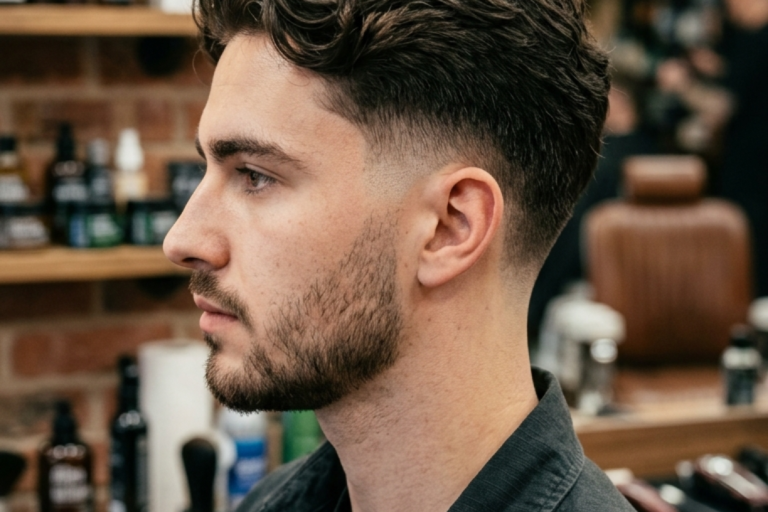

Low Taper Fade Styles for Wavy Hair
Wavy hair has its own personality. It moves on its own, holds texture without much effort and generally looks better whe...
Read More about Low Taper Fade Styles for Wavy HairMen's Long Hairstyles Guide: Man Buns, Flow & Maintenance
Growing and styling long hair is one of the boldest, most expressive statements a man can make. From effortless shoulder-length flow and natural textured waves to clean man buns, top knots, and layered rocker locks, long hair projects creative confidence, individuality, and timeless vitality. However, sporting great long hair requires dedication, patience through awkward growth phases, and disciplined trichological care. Long hair fibers are older and naturally distant from the scalps sebum glands, making them susceptible to split ends, dryness, and breakage. This comprehensive master guide covers long haircut styles, awkward phase survival strategies, washing protocols, detangling techniques, and styling routines for men with long hair.
Historical Evolution and Cultural Context
Throughout human history, long hair was the universal standard of masculine strength, nobility, and warrior status. From ancient Norse Vikings and Native American warriors to samurai in feudal Japan, long hair was braided and maintained with pride. In the late 20th century, rock icons of the 1970s and 1980s (Led Zeppelin, Guns N' Roses) and 1990s grunge legends (Kurt Cobain, Chris Cornell) revitalized long hair as a symbol of artistic rebellion. Today, long hair in menswear is celebrated across creative, professional, and athletic arenas.
Key Styles, Cut Anatomy, and Variations
Long hairstyles range from casual flows to structured updos:
- The Shoulder-Length Flow / Surfer Hair: Natural layered waves that drape effortlessly around the shoulders.
- The Man Bun: Hair gathered and tied securely at the crown or occipital bone for clean, functional polish.
- The Half-Up / Half-Down Knot: Ties the top half into a bun while leaving the bottom layers flowing freely.
- Layered Long Cut: Scissor-cut layers that remove bulk and add movement, preventing a heavy, triangular shape.
Face Shape and Hair Texture Compatibility Matrix
Selecting the optimal haircut requires understanding how hair density, curl pattern, and cranial bone structure interact:
| Long Hairstyle | Target Length | Best Hair Texture | Styling Product |
|---|---|---|---|
| Shoulder Flow | 8 12 inches | Wavy, Thick, Curly | Sea salt spray + leave-in cream |
| Man Bun / Top Knot | 6 10 inches | All hair types | Lightweight styling cream + hair tie |
| Layered Rocker | 10 14+ inches | Straight, Wavy | Argan hair oil + texture spray |
Step-by-Step Styling and Barber Execution Protocol
Follow this sequential framework to achieve salon-quality styling and structural hold at home:
- Wash 1 to 2 Times Weekly: Over-washing strips natural protective oils; use sulfate-free shampoo sparingly on the scalp only.
- Always Use Conditioner: Apply rich conditioner to mid-lengths and ends every shower, letting it sit for 3 minutes before rinsing with cool water.
- Detangle Gently When Damp: Use a wide-tooth comb starting at the bottom tips, working progressively upward to prevent breakage.
- Air Dry or Diffuse: Allow hair to air dry naturally, or blow-dry on low heat with a diffuser.
- Tie with Seamless Bands: Use seamless elastic or silk hair ties to tie man buns without snapping hair shafts.
Essential Products, Formulations, and Styling Tools
Mastering hair texture requires the proper combination of pre-stylers, finishing clays, and professional tools:
Requires wide-tooth wooden combs, leave-in conditioners, argan oil, and seamless hair ties.
Professional Barbershop Secrets and Edge Precision
Incorporate these master barber techniques to maintain clean contours and sharp graduation between appointments:
Sleep on a mulberry silk pillowcase. Silk eliminates overnight friction, preventing morning bedhead tangles, split ends, and frizz.
Common Haircut Mistakes and How to Avoid Them
Avoid these frequent styling pitfalls that compromise hair health and visual balance:
- Tying Hair Too Tightly: Chronic tight buns cause traction alopecia (hairline recession). Keep buns loose and comfortable.
- Skipping Maintenance Trims: Avoid split ends by getting 1/2 inch trimmed every 8 to 10 weeks.
Seasonal Care and Maintenance Cadences
Environmental fluctuations impact hair cuticle hydration and scalp sebum production. Adapt your regimen across seasons:
In summer, tie hair into a loose bun to stay cool and rinse after swimming. In winter, use leave-in oils to prevent static and dryness.
Barbershop Communication, Terminology, and Consultation Guide for Long Hairstyles
Achieving your ideal haircut requires clear, precise communication with your master barber. Never rely solely on generic names like 'short back and sides' or 'medium fade,' as barber interpretations vary widely. When requesting long hairstyles, specify exact guard numbers (e.g., '#1 closed tapering into a #2 on the temples'), define your preferred neckline finish (tapered vs. squared vs. rounded), state whether you want scissor texture or point-cutting on top, and bring two or three high-resolution reference photographs displaying the front, side profile, and back angles. An expert barber will assess your hair growth whorls, cowlicks, temporal recession, and skull geometry to customize the perimeter boundaries to your unique anatomy.
Blow-Drying Mechanics, Directional Airflow, and Pre-Styling Chemistry
Eighty percent of any great hairstyles volume, texture, and structural direction is established during the initial blow-dry rather than by finishing products alone. Apply a heat-activated pre-stylersuch as a mineral sea salt spray or lightweight grooming tonicto clean, towel-damp hair. Use a vented tunnel brush or round boar-bristle brush while blow-drying on medium heat, directing the airflow from roots to tips in the natural direction of desired hair flow. Maintain the dryer nozzle at a 45-degree angle approximately three inches from the hair to avoid scorching the keratin cuticle. Conclude the blow-dry with a 10-second blast of cold air (the 'cool shot' button) to contract the cuticle layer, lock the volume in place, and impart natural shine.
Scalp Health, Follicular Longevity, and Trimming Schedules
Healthy, vibrant hair requires an optimal scalp environment. The human scalp contains over 100,000 hair follicles that produce natural protective sebum. To prevent sebum buildup, follicular inflammation, and fungal flaking (Malassezia), wash your hair two to three times weekly with a sulfate-free botanical cleanser, massaging the scalp with circular fingertip pressure to stimulate microvascular perfusion. Schedule precision maintenance trims according to your style's requirements: short fades and precision line-ups require touch-ups every two weeks, classic crew cuts and tapers every three to four weeks, and medium-to-long textured flow styles every six to eight weeks to eliminate split ends and maintain clean geometric proportions.
Barbershop Communication, Terminology, and Consultation Guide for Long Hairstyles
Achieving your ideal haircut requires clear, precise communication with your master barber. Never rely solely on generic names like 'short back and sides' or 'medium fade,' as barber interpretations vary widely. When requesting long hairstyles, specify exact guard numbers (e.g., '#1 closed tapering into a #2 on the temples'), define your preferred neckline finish (tapered vs. squared vs. rounded), state whether you want scissor texture or point-cutting on top, and bring two or three high-resolution reference photographs displaying the front, side profile, and back angles. An expert barber will assess your hair growth whorls, cowlicks, temporal recession, and skull geometry to customize the perimeter boundaries to your unique anatomy.
Blow-Drying Mechanics, Directional Airflow, and Pre-Styling Chemistry
Eighty percent of any great hairstyles volume, texture, and structural direction is established during the initial blow-dry rather than by finishing products alone. Apply a heat-activated pre-stylersuch as a mineral sea salt spray or lightweight grooming tonicto clean, towel-damp hair. Use a vented tunnel brush or round boar-bristle brush while blow-drying on medium heat, directing the airflow from roots to tips in the natural direction of desired hair flow. Maintain the dryer nozzle at a 45-degree angle approximately three inches from the hair to avoid scorching the keratin cuticle. Conclude the blow-dry with a 10-second blast of cold air (the 'cool shot' button) to contract the cuticle layer, lock the volume in place, and impart natural shine.
Scalp Health, Follicular Longevity, and Trimming Schedules
Healthy, vibrant hair requires an optimal scalp environment. The human scalp contains over 100,000 hair follicles that produce natural protective sebum. To prevent sebum buildup, follicular inflammation, and fungal flaking (Malassezia), wash your hair two to three times weekly with a sulfate-free botanical cleanser, massaging the scalp with circular fingertip pressure to stimulate microvascular perfusion. Schedule precision maintenance trims according to your style's requirements: short fades and precision line-ups require touch-ups every two weeks, classic crew cuts and tapers every three to four weeks, and medium-to-long textured flow styles every six to eight weeks to eliminate split ends and maintain clean geometric proportions.
Summary and Personal Aesthetic Philosophy
Your hairstyle is the primary architectural frame of your face and the most visible expression of your personal aesthetic. By understanding your facial geometry, selecting the proper cut, investing in quality styling products, and maintaining regular barber appointments, you project an enduring aura of confidence, grooming discipline, and effortless style.
Frequently Asked Questions
Got questions? We've got answers. Explore our most asked questions about long hairstyles.
Hair grows about 0.5 inches per month. Growing hair to shoulder length (8 to 12 inches) typically takes 14 to 20 months of dedicated growth.
Wear hats, beanies, or style hair with sea salt spray and matte paste to slick it back. Get subtle neck trims every 3 months to keep the back neat.
Wash with sulfate-free shampoo only 1 to 2 times per week. Condition the ends every time you shower to keep long hair hydrated and tangle-free.
Use seamless elastic hair ties or silk scrunchies. Never tie the bun too tightly against the scalp to avoid traction alopecia and hair breakage.
Yes. Get a 'dusting' or minor trim of 1/4 to 1/2 inch every 8 to 12 weeks to eliminate split ends without sacrificing overall length progress.
Essential products include leave-in conditioning spray, argan hair oil for the ends, sea salt spray for beachy texture, and a wide-tooth comb.