
Wedding Dressing
Discover the complete guide to men's wedding dressing. Explore groom suiting, tuxedo etiquette, groomsmen coordination, and wedding guest dress codes for black tie, cocktail, beach, and destination weddings to look impeccably stylish on the big day.
All Posts on Wedding Dressing
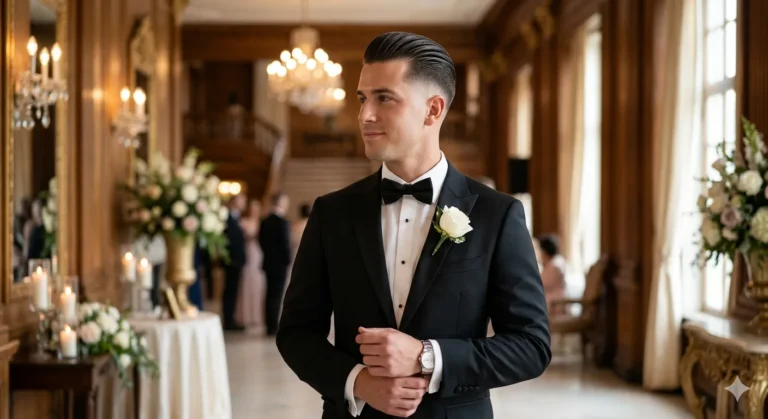

Low Taper Fade for Wedding: The Best Groom Hairstyles to Try
Most guys spend months sorting out their wedding look. The sherwani or suit gets finalized early. Shoes get picked. Acce...
Read More about Low Taper Fade for Wedding: The Best Groom Hairstyles to TryMen's Wedding Dressing Guide: Groom, Groomsmen & Guest Attire
Wedding dressing is one of the most memorable sartorial milestones in a man's life. Whether standing at the altar as the groom, supporting a lifelong friend as a groomsman, or attending as an honored guest, wedding attire demands careful attention to dress codes, seasonal fabrics, tailoring fit, and venue aesthetics. A wedding is a celebration of love and community, and dressing with intention honors the couple and ensures timeless elegance in photographs that will be cherished for generations. From formal black-tie evening nuptials in grand ballrooms to breezy linen ceremonies on sun-drenched coastal beaches, this definitive master guide covers groom suiting, tuxedo anatomy, groomsmen palette coordination, guest etiquette, and accessory refinement.
Historical Evolution and Cultural Context
The traditions of men's wedding attire have evolved across centuries of aristocratic ceremony and social etiquette. In Victorian England, daytime morning dressfeaturing a cutaway morning coat, striped trousers, and silk ascotwas the mandatory standard for high-society weddings. Evening celebrations called for full White Tie with tailcoats. Over the 20th century, the evening tuxedo became the standard for formal weddings, while daytime weddings embraced tailored two-piece suits in navy and charcoal. Today's modern wedding landscape celebrates personalized elegance, allowing grooms to choose between classic midnight-blue tuxedos, bespoke earth-toned suits, and breathable linen tailoring tailored to destination venues.
Core Silhouettes, Essential Garments, and Classifications
Wedding attire is categorized by formality and venue environment:
- The Black-Tie Groom / Guest: A midnight-blue or black tuxedo with peak satin lapels, white pleated or marcella bib shirt, black silk bow tie, cummerbund or waistcoat, and patent leather Oxfords.
- The Modern Formal Groom / Guest: A tailored three-piece navy or charcoal suit crafted from Super 120s worsted wool, paired with a white spread-collar shirt, silk woven tie, and dark brown leather dress shoes.
- The Summer / Garden Wedding: Lightweight suiting in tan, stone, sage green, or dusty blue crafted from cotton-linen blends, worn with an open collar or knit silk tie.
- The Beach & Destination Wedding: Unlined 100% linen suits in sand or cream, paired with breathable white linen shirts and suede loafers or dress espadrilles.
- The Groomsmen Party Ensemble: Coordinated suits or tuxedos that harmonize in fabric and color with the groom while maintaining a subtle distinction in lapel style or neckwear.
Proportions and Dress Code Compatibility Matrix
Achieving sartorial excellence requires understanding how specific garments and silhouettes harmonize across different social contexts, dress codes, and anatomical proportions:
| Wedding Dress Code | Recommended Attire | Optimal Footwear | Key Etiquette Rule |
|---|---|---|---|
| Black Tie | Black/Midnight Tuxedo + bow tie | Black patent leather Oxfords | No neckties; satin/grosgrain lapels required |
| Formal / Black Tie Optional | Tuxedo or dark Navy/Charcoal suit | Polished black calfskin Oxfords | White dress shirt with French cuffs |
| Cocktail / Semi-Formal | Tailored suit (Navy, Grey, Olive) + tie | Dark brown leather Derbies or Monk straps | Pocket square required; polished leather belt |
| Beach / Destination | Tan/Cream linen suit + linen shirt | Suede loafers or leather espadrilles | No socks; light breathable natural fabrics |
Step-by-Step Outfit Construction and Layering Protocol
Constructing an immaculate ensemble requires a systematic approach to fit, texture balance, and color harmony. Follow this sequential framework:
- Adhere Strictly to the Invitation Dress Code: Always check the wedding invitation for specified attire. Never underdress or wear casual clothing unless explicitly instructed.
- Start Groom Fittings 3 to 4 Months in Advance: Custom bespoke suiting requires 8 to 12 weeks for fabrication, plus 2 to 3 weeks for final tailoring alterations and pressings.
- Coordinate Groomsmen Harmoniously: Ensure groomsmen wear identical suit fabrics and neckwear, while allowing the groom to stand out with a distinct vest, tie color, or boutonniere.
- Select Purposeful Accessories: Wear a crisp white linen pocket square folded in a presidential fold, personalized cufflinks, and a meaningful wristwatch.
- Pin Boutonnieres Correctly: Fasten floral boutonnieres to the left lapel over the heart, pinning from behind the lapel fabric so the metal pin remains completely invisible.
Material Science, Fabric Intelligence, and Craftsmanship
True garment quality resides in the fiber composition, weave density, and tactile drape of natural and technical textiles:
Wedding garments require exquisite natural textiles that photograph impeccably and maintain structure throughout long celebrations:
- Super 120s150s Worsted Wool: Provides an ultra-smooth drape, rich color saturation, and natural crease recovery for all-day suiting.
- Silk-Wool & Mohair Blends: Mohair fibers add a crisp, resilient hand and subtle luster that reflects event photography lighting beautifully.
- Pure Irish & Italian Linen: Essential for destination and summer weddings, providing natural cooling and relaxed elegance.
- Silk Satin & Grosgrain: High-grade silk trims used on tuxedo lapels and pocket welts for elevated formal contrast.
Styling Mastery, Pro Secrets, and Accessory Integration
Elevate your visual presence by incorporating these subtle, high-impact styling techniques utilized by professional bespoke tailors and fashion directors:
Master bridal tailors advise grooms to pack a second identical crisp white dress shirt for the reception. After hours of ceremony photos and warm outdoor cocktail hours, changing into a fresh, pressed shirt before the dinner and first dance keeps you looking revitalized and sharp all night.
Common Sartorial Pitfalls and How to Avoid Them
Even discerning dressers make styling errors that detract from their appearance. Avoid these common mistakes:
- Upstaging the Groom: Wedding guests should never wear white suits, flashy tuxedoes to casual weddings, or eccentric garments that draw focus away from the couple.
- Waiting Too Long for Alterations: Trying on a wedding suit days before the event leaves zero time to fix hem lengths or waist suppression.
- Wearing Clunky Everyday Work Bags: Leave work backpacks in the hotel; carry only your phone and slim cardholder in internal jacket pockets.
- Wearing Uncomfortable Shoes: Break in your wedding footwear around the house for several hours prior to the wedding day to prevent painful blisters.
Seasonal Adaptations and Garment Longevity
Preserve your wardrobe assets and ensure year-round climate comfort by adapting your layering strategies and fabric selections:
In autumn and winter weddings, embrace rich flannel three-piece suits, velvet dinner jackets, and cashmere overcoats. In spring and summer weddings, opt for light pastel suits, breathable tropical wool, and unlined linen tailoring to ensure all-day comfort.
Tailoring Essentials and Alteration Precision for Wedding Dressing
The single greatest differentiator between an ordinary outfit and an exceptional aesthetic is custom tailoring. Off-the-rack garments are manufactured to generic standardized proportions that rarely match an individuals anatomical nuances. When investing in wedding dressing, budget an additional twenty to thirty percent for professional alteration services. Key tailoring interventions include tapering trouser legs to create a clean silhouette without excess billowing fabric, hemming trousers to achieve a precise no-break or slight-break resting point over your footwear, taking in the jacket waist to accentuate a masculine V-taper, and adjusting shirt sleeves so that exactly one-quarter to one-half inch of cuff extends past your jacket wrist.
Fabric Preservation, Garment Longevity, and Care Protocols
Extending the lifespan of your wardrobe investments requires an understanding of textile preservation science. Natural animal fibers such as sheep's wool, cashmere, and alpaca possess natural self-cleaning, odor-resistant keratin structures that should be dry cleaned sparinglytypically no more than once or twice per seasonto avoid stripping the natural lanolin oils. Between wears, brush tailored wool garments with a natural horsehair clothes brush to dislodge microscopic dust and surface particulate matter. For cotton, denim, and linen essentials, wash in cold water using gentle, enzyme-free detergents and always hang dry or lay flat; high-heat mechanical tumble drying denatures cotton fibers, causes premature shrinkage, and degrades elastane stretch retention.
Curating Accessories, Footwear Harmony, and Olfactory Synergy
Accessories and footwear are the defining punctuation marks of any sophisticated wedding dressing ensemble. Always maintain harmonious leather tones: pair rich dark brown leather shoes with an identical chocolate brown full-grain leather belt, or match black leather boots with a black leather watch strap. Consider the weight and scale of your accessories in relation to your physique; men with broader wrists benefit from 40mm to 42mm case diameters, while slender wrists look best with timeless 36mm to 38mm dress watches. Complete your presence with an intentional fragrance selection that complements the occasionchoosing fresh citrus and marine accords for daytime professional settings, and warm amber, cedarwood, or smoky leather extraits for evening engagements.
Summary and Timeless Style Philosophy
Dressing well is an intentional act of self-respect and visual communication. By investing in timeless foundational staples, mastering tailored fit precision, respecting the chemistry of natural fabrics, and accessorizing with quiet confidence, you cultivate an authentic personal style that commands admiration across every environment.
Frequently Asked Questions
Got questions? We've got answers. Explore our most asked questions about wedding dressing.
Begin browsing 4 to 6 months before the wedding and place orders 3 to 4 months out to allow adequate time for production and multiple rounds of tailoring fittings.
Wear a tailored navy, charcoal, or dark green suit with a crisp dress shirt, silk tie, white pocket square, and polished leather dress shoes.
Groomsmen should wear matching or complementary suit fabrics. The groom can distinguish himself with a different tie color, waistcoat, or distinct floral boutonniere.
Wear a lightweight linen or cotton-linen suit in tan, cream, or light blue with an open-collar white shirt and sockless suede loafers or dress espadrilles.
Traditionally, tuxedos are eveningwear meant for ceremonies starting after 6:00 PM. For daytime weddings, a tailored three-piece suit is the classic choice.
The floral boutonniere is always pinned to the left lapel directly over the heart, secured from behind so the pin is completely hidden from view.