
Beard Styles
Explore the complete guide to beard styles for modern men. From rugged designer stubble and sculpted corporate beards to bold full beards and stylish fades, find the ideal facial hair style to enhance your jawline, complement your face shape, and elevate your grooming routine.
All Posts on Beard Styles
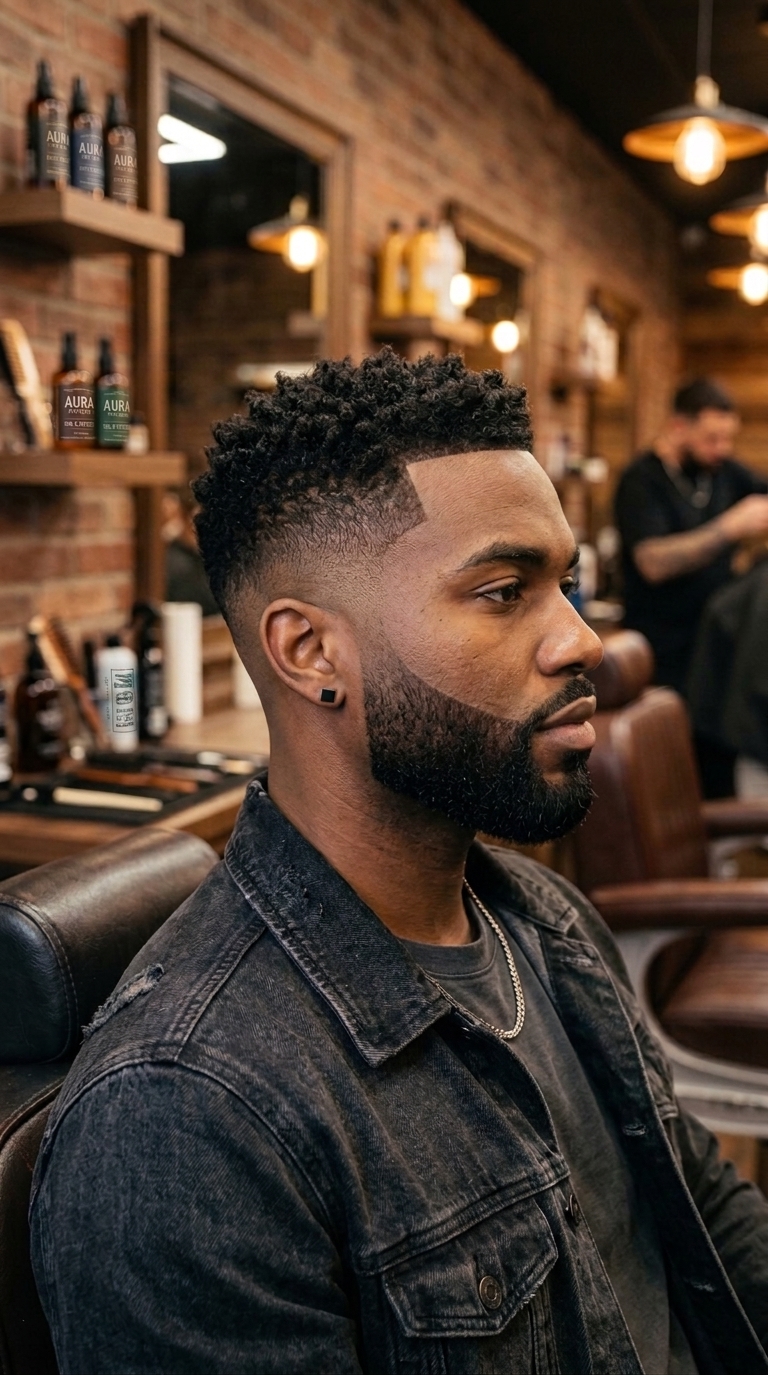

Low Taper Fade with Beard for Black Men: Best Styles and Grooming Tips
A low taper fade paired with a beard has been a barbershop staple for years, and for good reason. The clean sides, the n...
Read More about Low Taper Fade with Beard for Black Men: Best Styles and Grooming Tips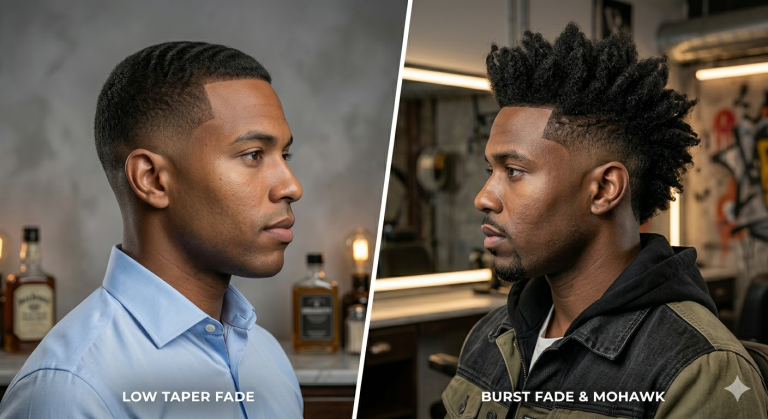
Low Taper vs Burst Fade: Which Haircut Looks Better on You?
Haircuts today are not just about looking clean. They also show personality, style and confidence. Two of the most talke...
Read More about Low Taper vs Burst Fade: Which Haircut Looks Better on You?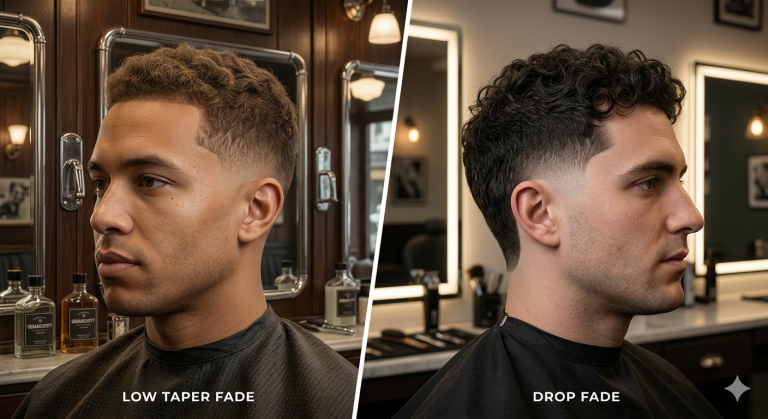
Low Taper vs Drop Fade: Which One Looks Better on You?
People often confuse low tapers with drop fades, even though both cuts have clear differences. Yeah, both cuts keep the...
Read More about Low Taper vs Drop Fade: Which One Looks Better on You?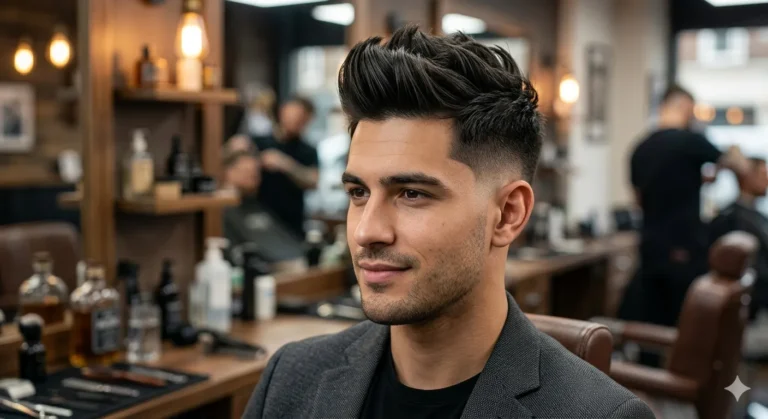
Low Taper Fade with Faux Hawk: The Bold Yet Clean Look Worth Trying
Some haircuts blend in. Others make a quiet statement without shouting. The low taper fade with a faux hawk sits firmly...
Read More about Low Taper Fade with Faux Hawk: The Bold Yet Clean Look Worth Trying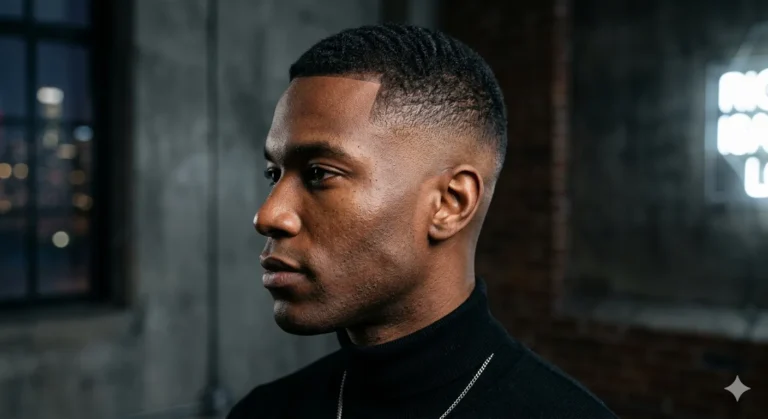
Low Taper Fade Without Beard: Styles, Tips and Everything You Need to Know
Nobody told me this when I first started getting fades — you do not need a beard for the cut to look good. I used to bel...
Read More about Low Taper Fade Without Beard: Styles, Tips and Everything You Need to Know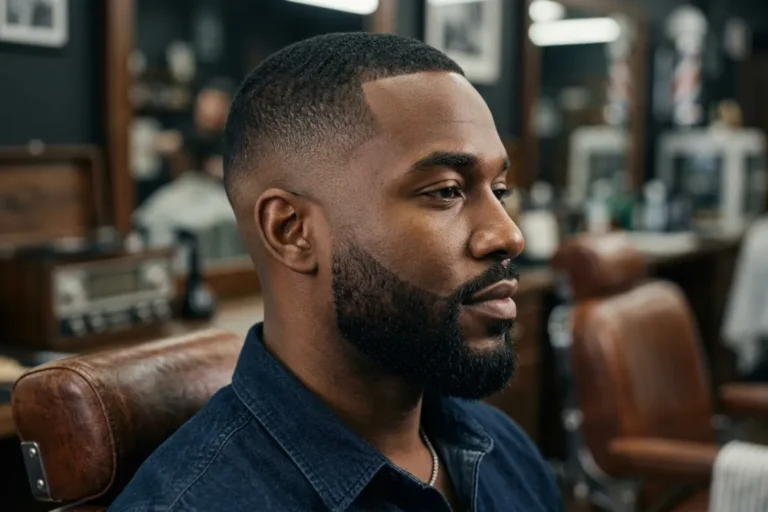
Low Taper Fade with Goatee: The Complete Style Guide for Men
You know that feeling after a fresh low taper fades? Clean sides, sharp edges, everything looks right. Then you get home...
Read More about Low Taper Fade with Goatee: The Complete Style Guide for MenThe Comprehensive Encyclopedia of Men's Beard Styles
Facial hair has served as a profound marker of masculine identity, cultural distinction, and personal aesthetic refinement throughout history. In contemporary men's grooming, cultivating a beard is recognized as an architectural art formone that sculpts bone structure, enhances the jawline, and projects unmistakable authority and poise. Whether you are aiming for effortless designer stubble, a pristine corporate boxed beard, or a commanding full-length beard, choosing the proper style requires a deep understanding of facial anatomy, hair growth genetics, maintenance tools, and styling techniques. This definitive guide explores the full spectrum of beard styles, providing you with actionable methodologies to select, grow, sculpt, and maintain your signature facial hair.
Historical Evolution and Cultural Significance of Beards
Throughout antiquity and modern history, facial hair has mirrored shifting societal values. In ancient Mesopotamia and Egypt, beards symbolized royal divinity and societal standing, often styled with scented oils and metallic threads. Greek philosophers viewed full beards as the ultimate emblem of wisdom and intellectual rigor, while Roman society oscillated between clean-shaven martial discipline and aristocratic bearded aesthetics. During the nineteenth century, elaborate whiskers, mutton chops, and majestic full beards dominated European and American high society. Today's beard renaissance combines historical gravitas with precision barbering technology, allowing every man to customize his facial silhouette to match his lifestyle.
Beard Styles Categorized by Length and Structure
1. Stubble and Short Beard Variations
Short beard styles offer maximum versatility, blending seamlessly into conservative corporate environments while delivering sharp masculine definition:
- Light Stubble (1mm 2mm): Also known as the classic five o'clock shadow, light stubble adds immediate rugged contouring to softer jawlines while requiring minimal growth time.
- Heavy / Designer Stubble (3mm 5mm): Consistently rated among the most attractive facial hair lengths, heavy stubble creates distinct shadow and contrast when neckline and cheek lines are cleanly delineated.
- The Corporate Beard (8mm 12mm): A uniform short boxed beard where cheeks, mustache, and chin remain at a consistent density, framed by razor-sharp borders.
- The Short Boxed Beard: Meticulously squared off at the chin base, this style reinforces weak or receding chins with clean geometric angles.
- The Balbo: A disconnected three-part style featuring a floating mustache, soul patch, and chin beard, ideal for men with patchy cheek growth.
- The Van Dyke: A pointed chin beard combined with a disconnected mustache, providing creative and sophisticated vintage flair.
- The Anchor Beard: A sculpted jawline beard paired with a pencil mustache, tracing the lower jaw in the shape of a nautical anchor.
2. Medium-Length Beard Styles
Medium beard styles measure between 15mm and 35mm, offering substantial presence without overwhelming facial features:
- The Tapered / Faded Beard: Features maximum hair density at the chin that smoothly transitions into shorter lengths up the cheeks and sideburns, creating a slimming facial effect.
- The Ducktail Beard: Sculpted into a defined, downward-pointing taper at the chin with trimmed sides, creating an aristocratic and elongated facial profile.
- The French Fork: A distinctive historical style where the bottom of a full beard is divided symmetrically into two distinct prongs.
- The Classic Full Medium Beard: Dense, even coverage across the lower face, carefully sculpted along natural growth lines to maintain professional polish.
3. Long and Traditional Heritage Beards
Long beards require dedicated months of mindful maintenance, exceptional product regimens, and deliberate shaping:
- The Bandholz Beard: A full, unrestricted beard connected to a freely growing, styled mustache, popularized by grooming pioneer Eric Bandholz.
- The Garibaldi: A wide, full beard featuring a rounded lower boundary up to 20 cm in length, combined with an integrated natural mustache.
- The Verdi: An iconic style featuring a rounded full base accented by an independently styled, upturned handlebar mustache.
- The Yeoman / Lumberjack Beard: A rugged, voluminous full beard emphasizing natural density, requiring regular conditioning to maintain softness.
Matching Beard Styles to Facial Geometry
The overarching objective of facial hair styling is establishing symmetrical balance, transforming any natural face shape toward the balanced proportions of an oval.
| Face Shape | Recommended Beard Styles | Styling Objectives |
|---|---|---|
| Round | Ducktail, Goatee, Faded Beard, Short Boxed | Elongate facial structure; keep cheeks trimmed short. |
| Square | Rounded Medium Beard, Designer Stubble, Balbo | Softens sharp mandibular corners without losing definition. |
| Oblong / Long | Full Sides Beard, Heavy Stubble, Mutton Chops | Add lateral width; avoid excessive chin length. |
| Oval | Corporate Beard, Full Beard, Designer Stubble | Naturally balanced; maintain clean lines and symmetry. |
| Heart / Diamond | Full Boxed Beard, Classic Beard, Extended Goatee | Fill out narrow chin area to balance wide cheekbones. |
Essential Tools and Daily Maintenance Routine
To cultivate an exceptional beard, assemble a professional grooming toolkit including a multi-guard electric trimmer, a single-blade safety razor or foil shaver for clean edging, high-carbon steel barber scissors for precision snips, and a natural boar-bristle brush.
Apply 3 to 6 drops of natural beard oil every morning to hydrate dermal tissue and prevent dandruff. Follow with a pea-sized amount of beeswax-infused beard balm to tame flyaway whiskers and seal moisture throughout the day.
Step-by-Step Beard Sculpting Protocol
Achieving a salon-quality beard shape at home requires following a structured sequence:
- Wash and Thoroughly Dry: Wash with a sulfate-free beard cleanser. Never trim wet hair, as hair expands when wet and contracts when dry, leading to over-trimming.
- Comb Downward: Use a wide-tooth wooden comb to align all hair fibers in their natural direction of growth.
- De-Bulk the Cheeks: Select your target guard length and run the trimmer downward with the grain across the cheeks to remove flyaway bulk.
- Sculpt the Jawline and Chin: For tapered styles, use freehand clipper techniques or graduated guard sizes to leave extra length at the chin center while tapering the sides.
- Establish Crisp Boundaries: Use a detailer trimmer or safety razor to shave the upper cheekline and lower neckline, clearing all strays outside the intended boundary.
Common Beard Styling Mistakes and How to Avoid Them
Avoiding critical shaping errors ensures your facial hair maintains an intentional, sophisticated appearance:
- Carving the Neckline Too High: Trimming along the bottom edge of the jawbone creates a jarring visual disconnect and accentuates neck tissue. Always set your neckline two fingers above the Adam's apple.
- Over-Trimming Symmetrical Edges: Attempting to fix minor asymmetry when wet often leads to progressive thinning. Always trim when dry with conservative micro-adjustments.
- Neglecting Mustache Grooming: Allowing mustache hair to hang over the upper lip creates an untidy look and interferes with eating. Regularly clear the vermillion border with trimming shears.
- Ignoring the Skin Beneath the Beard: Focusing solely on hair while neglecting underlying skin causes itching, flaking, and stunted follicle vitality. Daily oil massage is non-negotiable.
Professional Barbershop Techniques for Edge Precision
To establish laser-sharp boundaries at home, apply a transparent shave gel along your desired cheek line. Hold a straight razor or single-blade safety razor at a 30-degree angle and execute short, controlled downward strokes in the direction of hair growth. Finish by splashing the trimmed perimeter with cold water and applying an alcohol-free aloe vera soothing balm to prevent razor bumps and erythema.
Long-Term Beard Health and Growth Optimization
Optimal beard growth depends heavily on biological factors including systemic circulation, hormonal balance, and micronutrient availability. Ensure adequate dietary intake of biotin, zinc, Vitamin D, and omega-3 fatty acids. Exercise regularly to support healthy testosterone and DHT levels, get seven to eight hours of restorative sleep, and stay consistently hydrated to keep hair cuticles nourished from within.
Through disciplined maintenance, precise perimeter shaping, and intentional style selection, your beard becomes a harmonious extension of your personal style, accentuating your strongest features and framing your face with masculine poise.
Frequently Asked Questions
Got questions? We've got answers. Explore our most asked questions about beard styles.
The Corporate Beard (8mm-12mm) and neatly maintained Short Boxed Beard are the top choices for business environments due to their uniform length and crisp lines.
Identify your face shape and select a style that creates an oval balance. Round faces require length at the chin with short sides, while long faces need fuller cheeks.
On average, facial hair grows about half an inch per month. Most men can grow a full, styleable beard in 2 to 4 months of dedicated growth without heavy trimming.
Yes. Disconnected styles like the Balbo, Van Dyke, or Goatee eliminate patchy cheeks entirely, while 3mm designer stubble visually minimizes sparse areas.
A faded beard tapers gradually from short sideburns to a fuller chin, whereas a boxed beard maintains a uniform length with sharp, squared-off geometric edges.
Short beards and stubble require trimming every 2 to 4 days. Medium to long beards generally need line touch-ups weekly and structural trimming every 2 to 3 weeks.