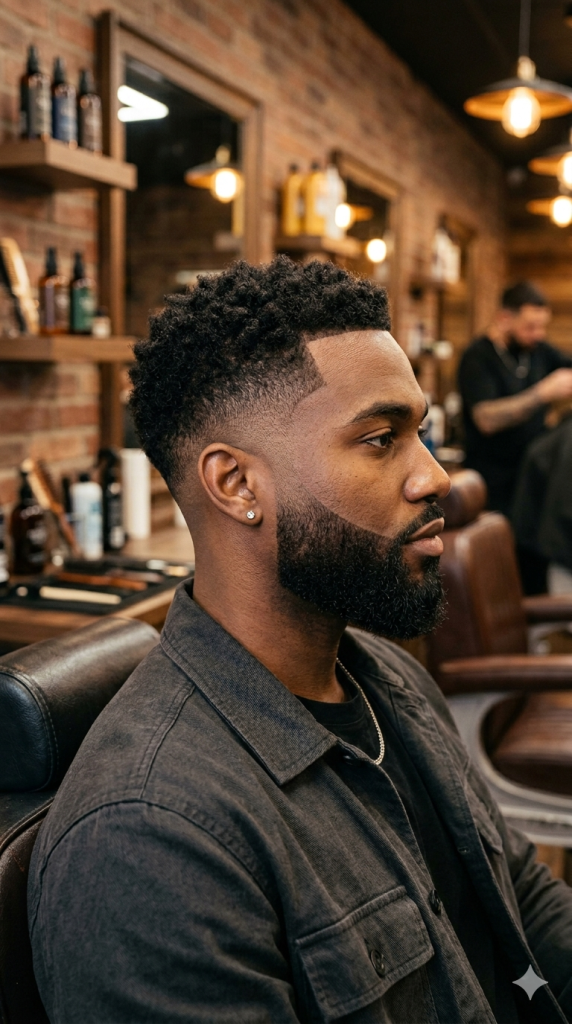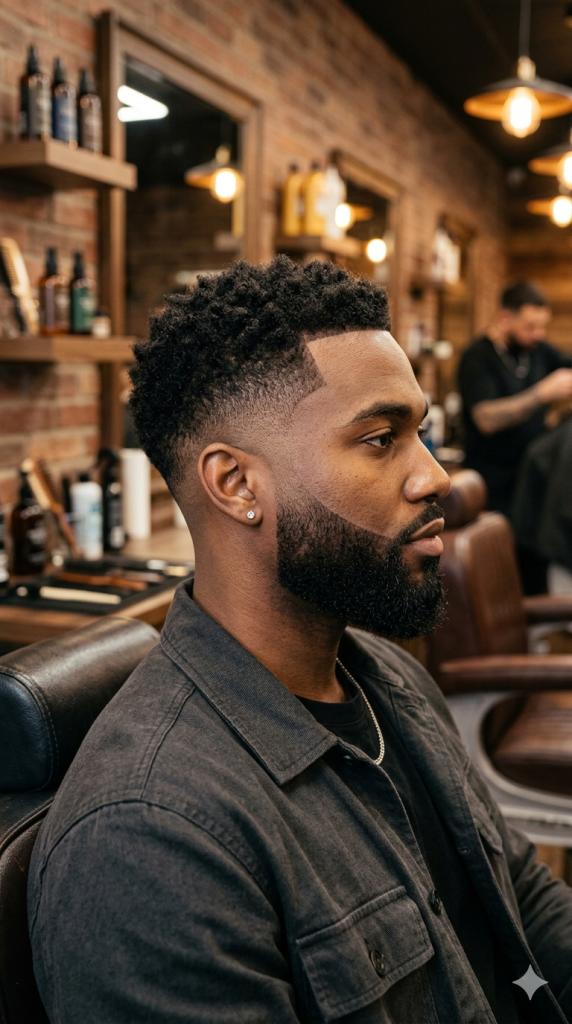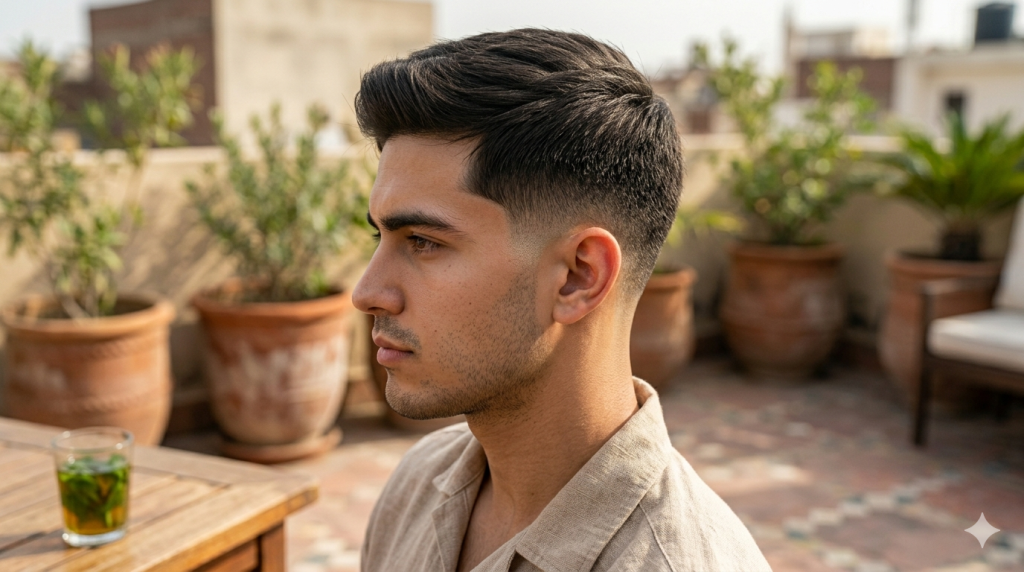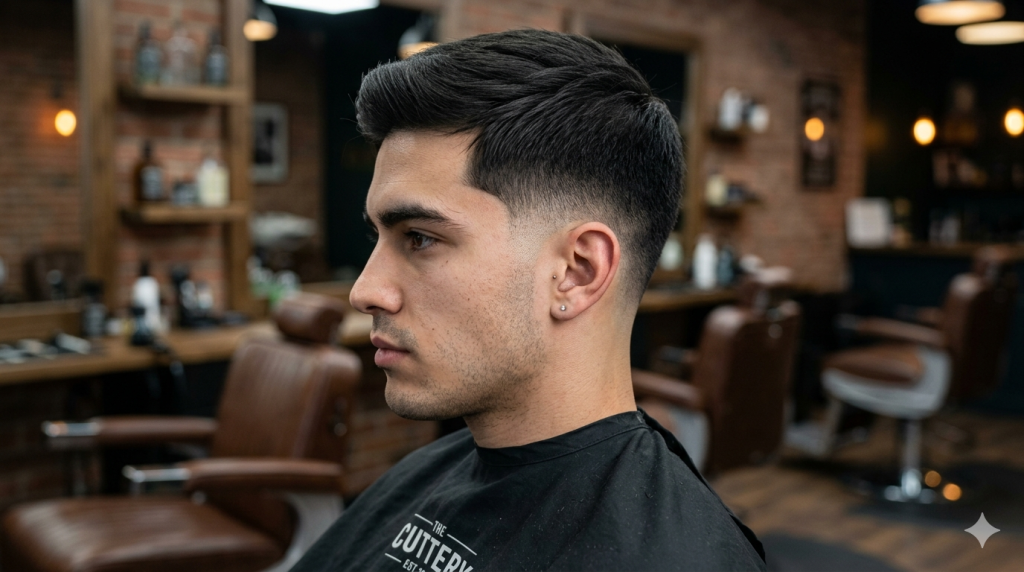
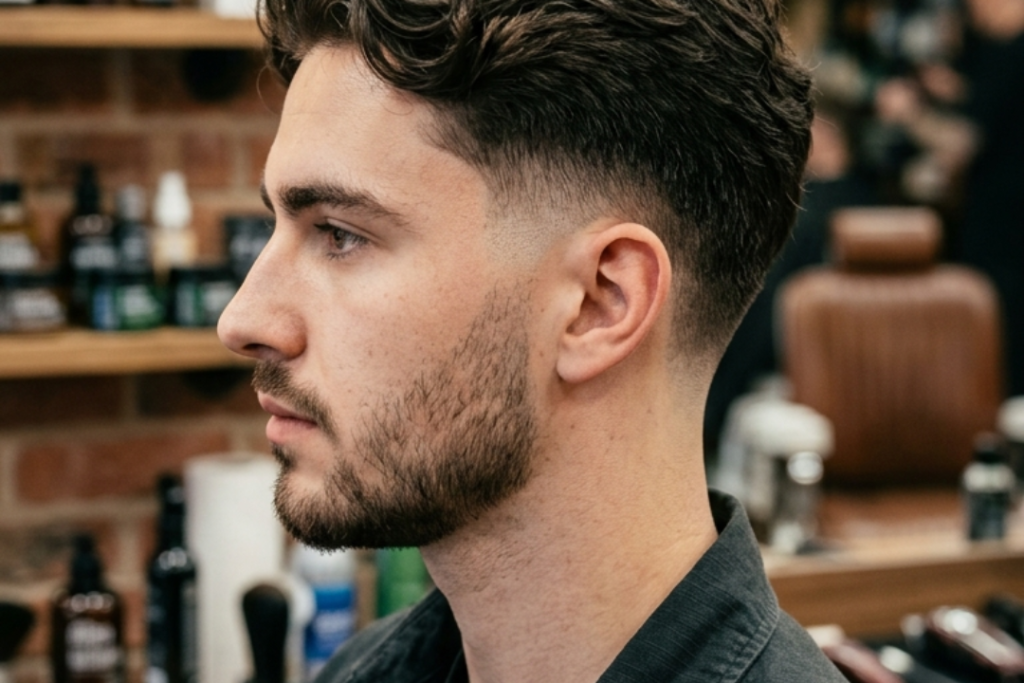
Wavy hair has its own personality. It moves on its own, holds texture without much effort and generally looks better when you work with it rather than against it. A low taper fade does exactly that — cleans up the sides, leaves the top alone and lets the waves do the rest.
It is one of those haircuts that just makes sense for this hair type. Not because it is trendy, but because it actually fits how wavy hair behaves.
What Is a Low Taper Fade?
Simply put, the hair gets shorter near the ears and neckline and gradually blends downward. The top stays longer. The fade does not climb high up the sides — it stays low, which keeps the transition subtle and the overall look natural rather than dramatic.
Why Wavy Hair and This Cut Go Together
Wavy hair tends to get wide and shapeless on the sides if left unchecked. The taper fixes that without touching the top, so the waves still have room to form properly. That balance — controlled sides, natural top — is what makes this combination work.
It is also genuinely low effort. Once the cut is done, the texture handles itself. Most days you are not doing much beyond letting it dry and moving on.
12 Best Low Taper Fade Styles for Wavy Hair
Classic Wavy Low Taper Fade
Nothing complicated — fade on the sides, waves on top. It works on almost every face shape and is the safest starting point if you have never tried this cut before. Simple, clean, easy to maintain.
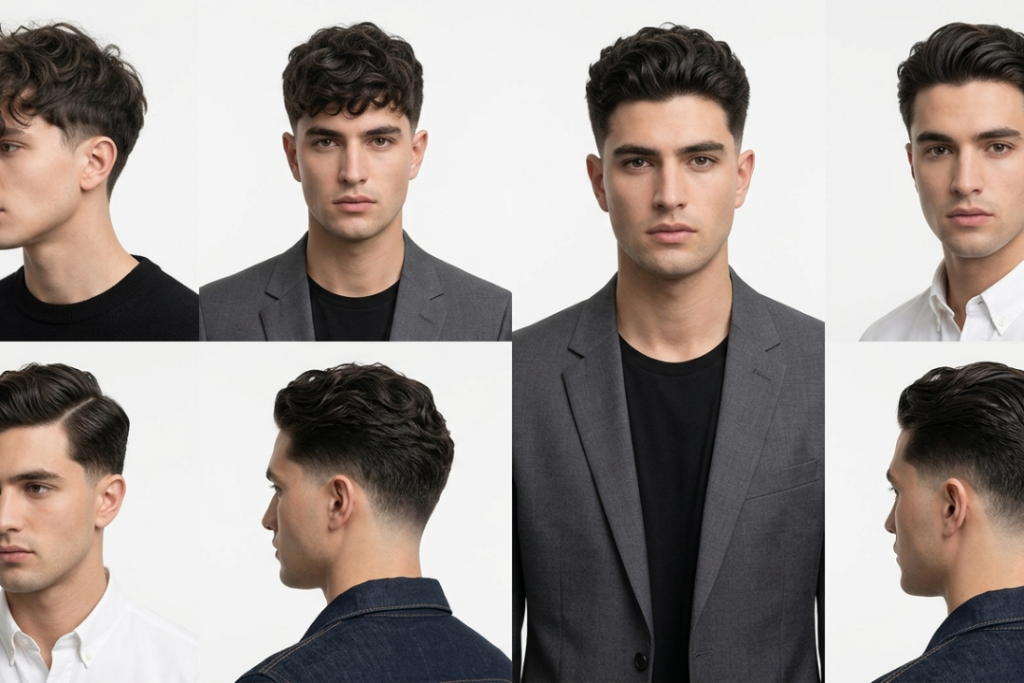
Textured Wavy Low Taper Fade
The waves are given more definition and direction rather than just being left to fall wherever. Works well for thicker hair that has a lot going on and needs some structure to look intentional.
Messy Wavy Low Taper Fade
The top is relaxed and unstyled — hair falls where it wants. The fade keeps the edges clean enough that it does not look forgotten. Good for men who want casual without looking sloppy.
Short Wavy Low Taper Fade
Less length on top, but the waves still show. Very little styling involved. If your main priority is a haircut you do not have to think about in the morning, this one fits.
Long Wavy Low Taper Fade
More length means more visible wave pattern and more movement overall. The taper balances the extra volume on top so the sides do not compete with it. A good choice for anyone who actually wants to show off their waves rather than keep them subtle.
Wavy Fringe Low Taper Fade
The hair falls forward across the forehead instead of being swept to the side. It gives the cut a softer, slightly younger feel. The taper keeps the sides tidy so the fringe does not make the whole thing look overgrown.
Side Part Wavy Low Taper Fade
Adds a clear line of structure across the top without making the haircut look stiff. The waves soften it enough that it does not come across as overly formal. Works well in professional settings and holds up just as well on weekends.
Middle Part Wavy Low Taper Fade
Split down the middle, waves fall naturally on both sides. It is relaxed and modern without requiring much effort to pull off. Medium-length hair tends to work best here — enough length for the waves to fall properly without getting too heavy.
Fluffy Wavy Low Taper Fade
The top is left soft and full rather than pushed down or tightly defined. Creates a rounder silhouette that feels effortless. The taper on the sides keeps it from looking uncontrolled.
Professional Wavy Low Taper Fade
Still has the waves, but they are styled with a bit more control and intention. Clean enough for an office or a formal setting, but not so rigid that it loses the natural texture entirely.
Thick Wavy Low Taper Fade
Thick wavy hair pushes outward on the sides, which throws off the shape of almost any haircut. The taper removes that bulk where it causes the most trouble. The top keeps its volume, the sides stay in check and the whole cut becomes easier to deal with day to day.
Natural Wavy Flow with Low Taper Fade
No forced direction, no specific style — the waves go where they go. The fade just adds clean structure around the bottom so the haircut still looks deliberate. The most effortless version of all twelve.
Which One Is Right for You?
Thick wavy hair — go with the Textured or Thick Wavy variation. Both manage volume without flattening it.
Thin wavy hair — the Fluffy or Short versions work better. They create the impression of more density without overdoing it.
For casual or student life, the Messy or Classic styles need the least effort day to day.
For work or formal settings, the Side Part or Professional variation hits the right balance between neat and natural.
Talking to Your Barber
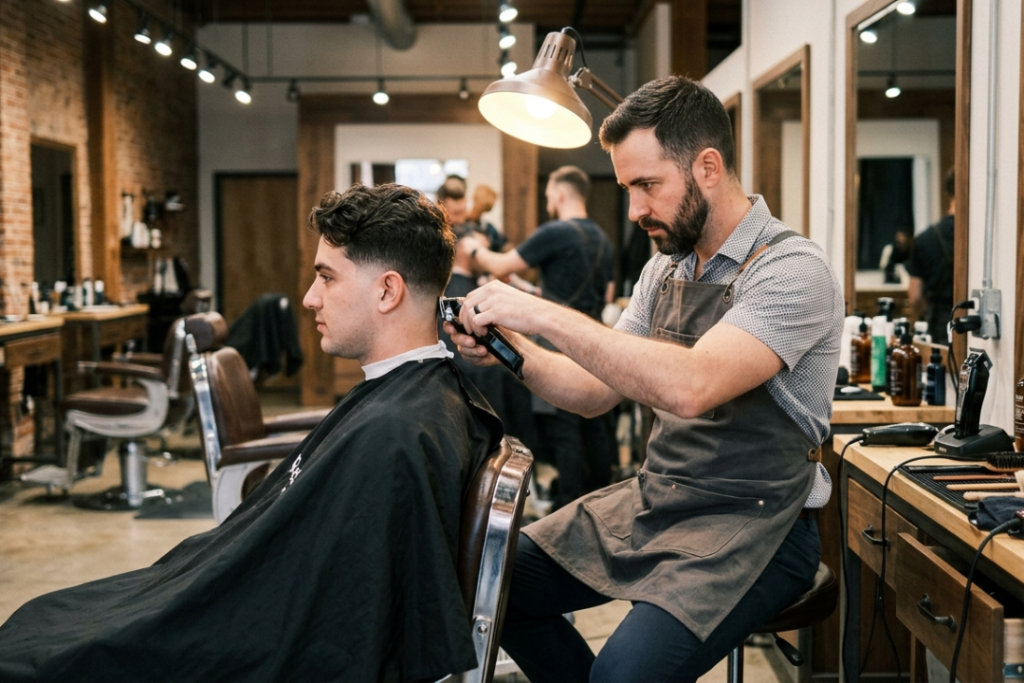
Keep it straightforward — “Low taper fade around the ears and neckline, leave enough length on top for my waves to show.”
Bring a photo if you have one. Wave patterns vary a lot between people and a reference image removes the guesswork on both sides.
Keeping It Looking Good
Trim every three to four weeks. The neckline and sideburns go first — those areas lose their sharpness before anything else does. Keep the top at a length where the waves can actually form. Too short and the texture disappears. Skip the heat styling when you can, since it weakens the wave pattern over time. When drying, scrunch rather than rub — rubbing creates frizz before the waves have a chance to set.
Mistakes Worth Avoiding
Taking the fade too high is the most common one. Once it climbs past a certain point it stops being a low taper and becomes something else entirely — more dramatic, less natural.
Cutting the top too short is another. Waves need length to do anything. Cut too much off and you are stuck with hair that is too short to wave but too long to look intentionally cropped.
And do not stretch out the time between trims too much. The top can handle a few extra weeks, but the fade area loses its clean lines quickly. Letting it go too long makes the whole haircut look grown out rather than styled.
FAQ’s
Is a low taper fade good for wavy hair?
It is one of the better options for wavy hair specifically. The clean sides let the natural wave pattern on top stand out without any extra effort.
How long should the top be?
Somewhere between two and four inches works for most people, depending on how strong the wave pattern is. More length generally means more visible waves.
Does it work with thick wavy hair?
Yes — the taper handles the bulk on the sides while the volume on top stays intact. It makes thick wavy hair noticeably easier to manage.
Is this haircut professional?
The side part and professional variations work well in formal or office settings. The other styles lean more casual but are not out of place in most workplaces.
How often should I get a trim?
Every three to four weeks. The fade loses its sharpness faster than the top does, so staying on schedule makes a real difference.
Can I get this with long wavy hair?
Yes. Longer waves with a low taper create a balanced look — the volume on top stays prominent and the sides do not compete with it.
Conclusion
Wavy hair and a low taper fade are a natural match. The cut respects what the hair already does — keeps the sides clean, leaves the top free and lets the waves take over from there. Pick the variation that fits your hair type and how much time you want to spend on it, stay consistent with trims and the haircut largely maintains itself.