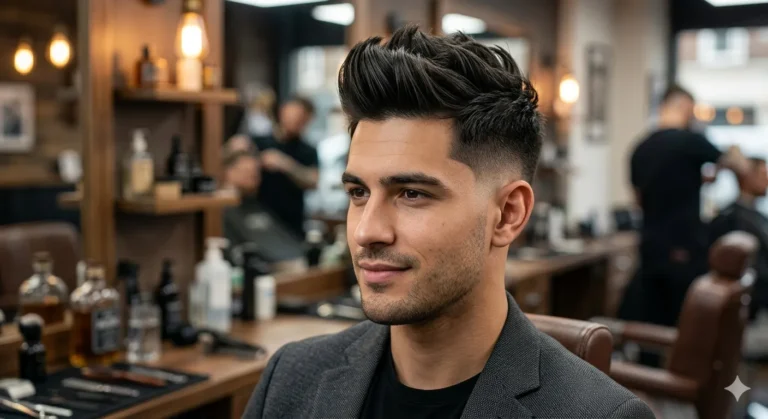
Low Taper Fade with Faux Hawk: The Bold Yet Clean Look Worth Trying
Some haircuts blend in. Others make a quiet statement without shouting. The low taper fade with a faux hawk sits firmly in that second camp.
This combination has been picking up real momentum over the last couple of years and it is not hard to see why. The top brings height and personality, the sides stay tight and clean and somehow the whole thing holds together whether you are heading out on a Friday night or walking into a Monday morning meeting.
Breaking Down the Cut
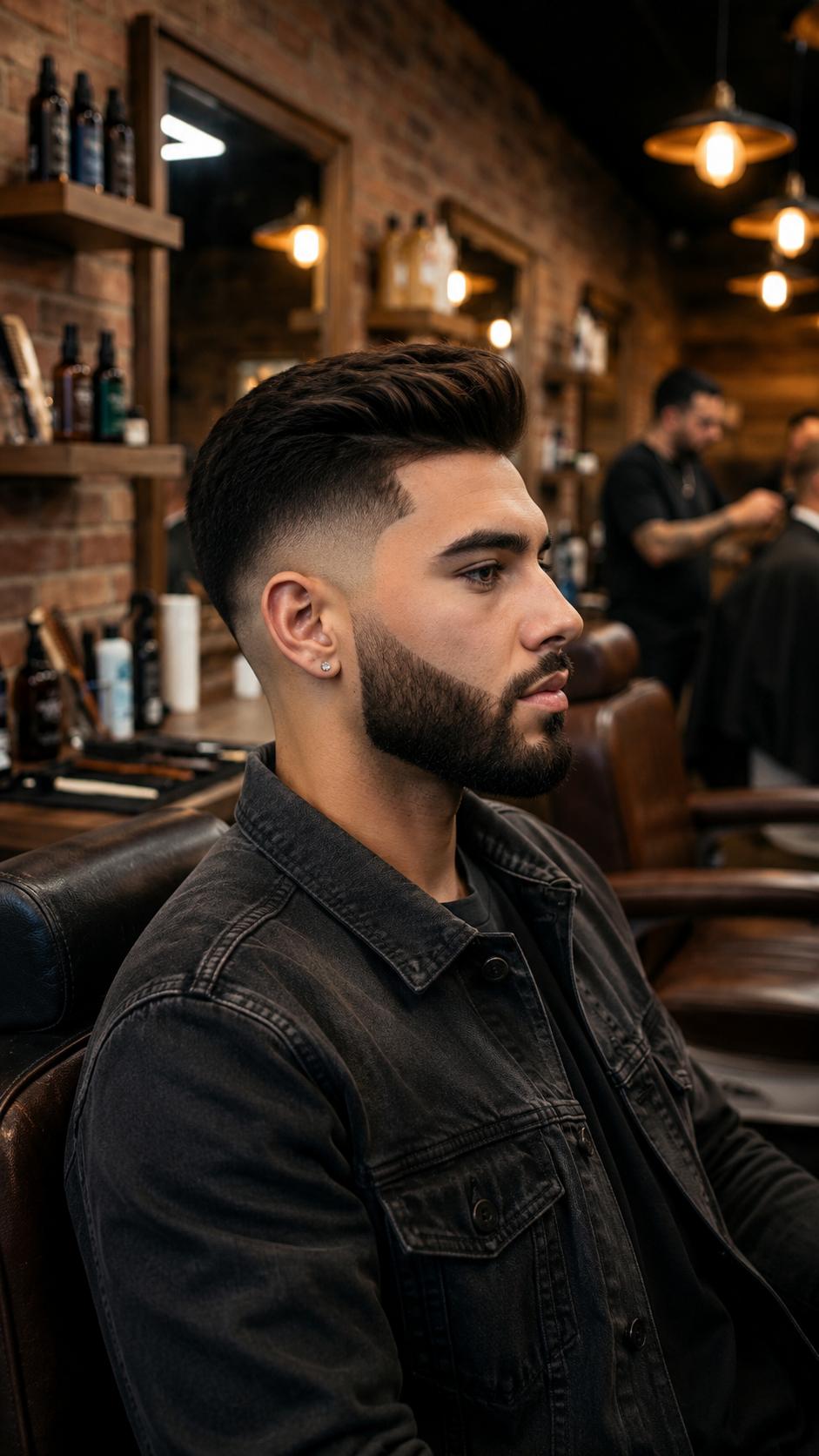
A faux hawk borrows the idea from a mohawk but makes it something you can actually live with. The sides are not shaved — they are cut shorter while the center stays longer and gets pushed upward into that recognizable ridge. Bold, but not over the top.
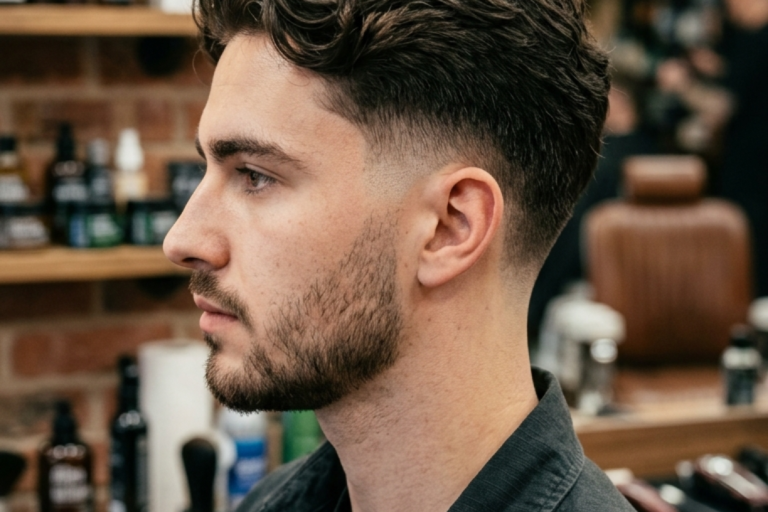
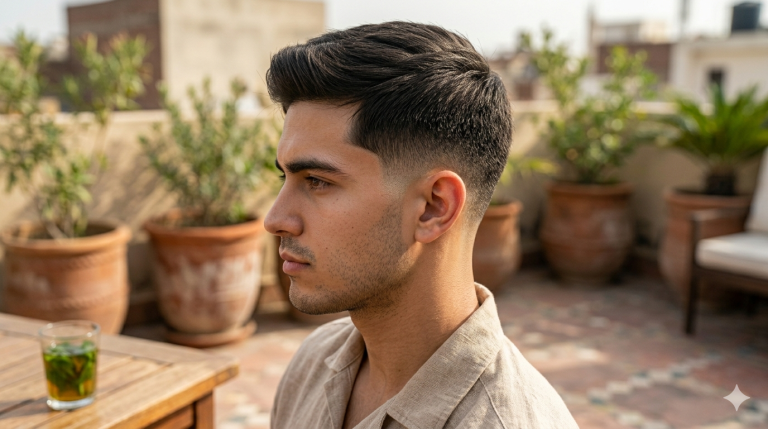
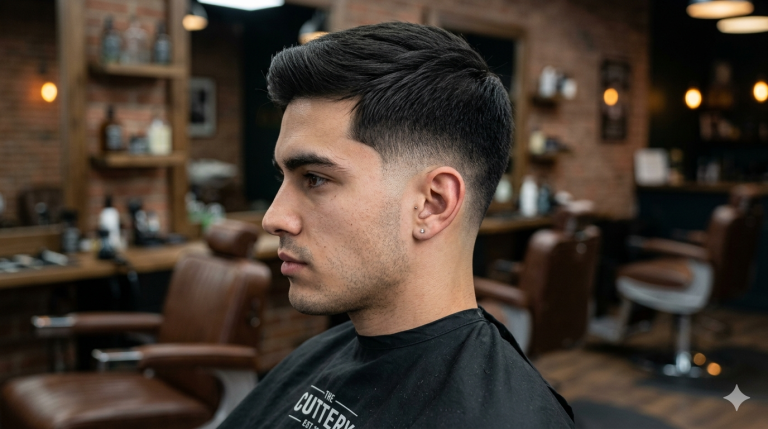
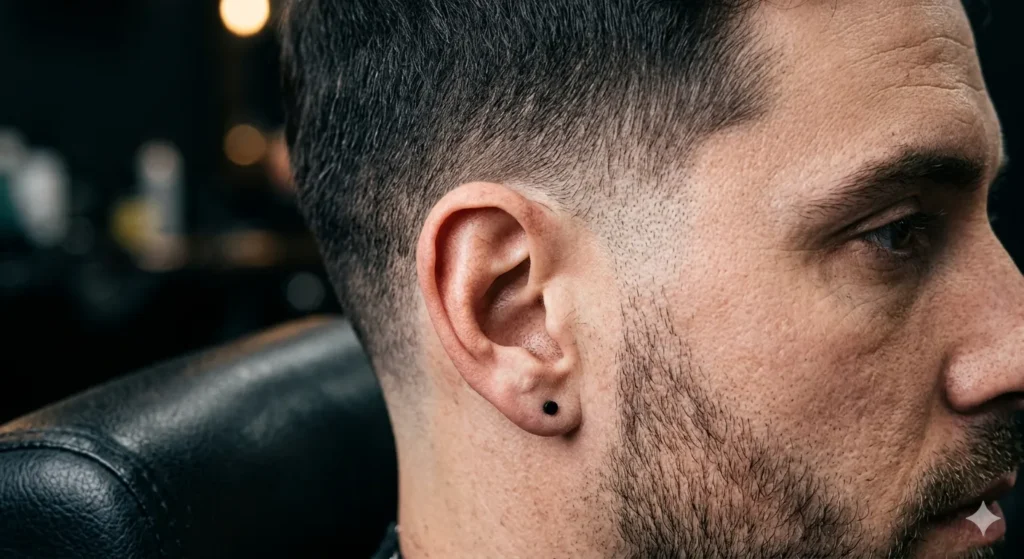
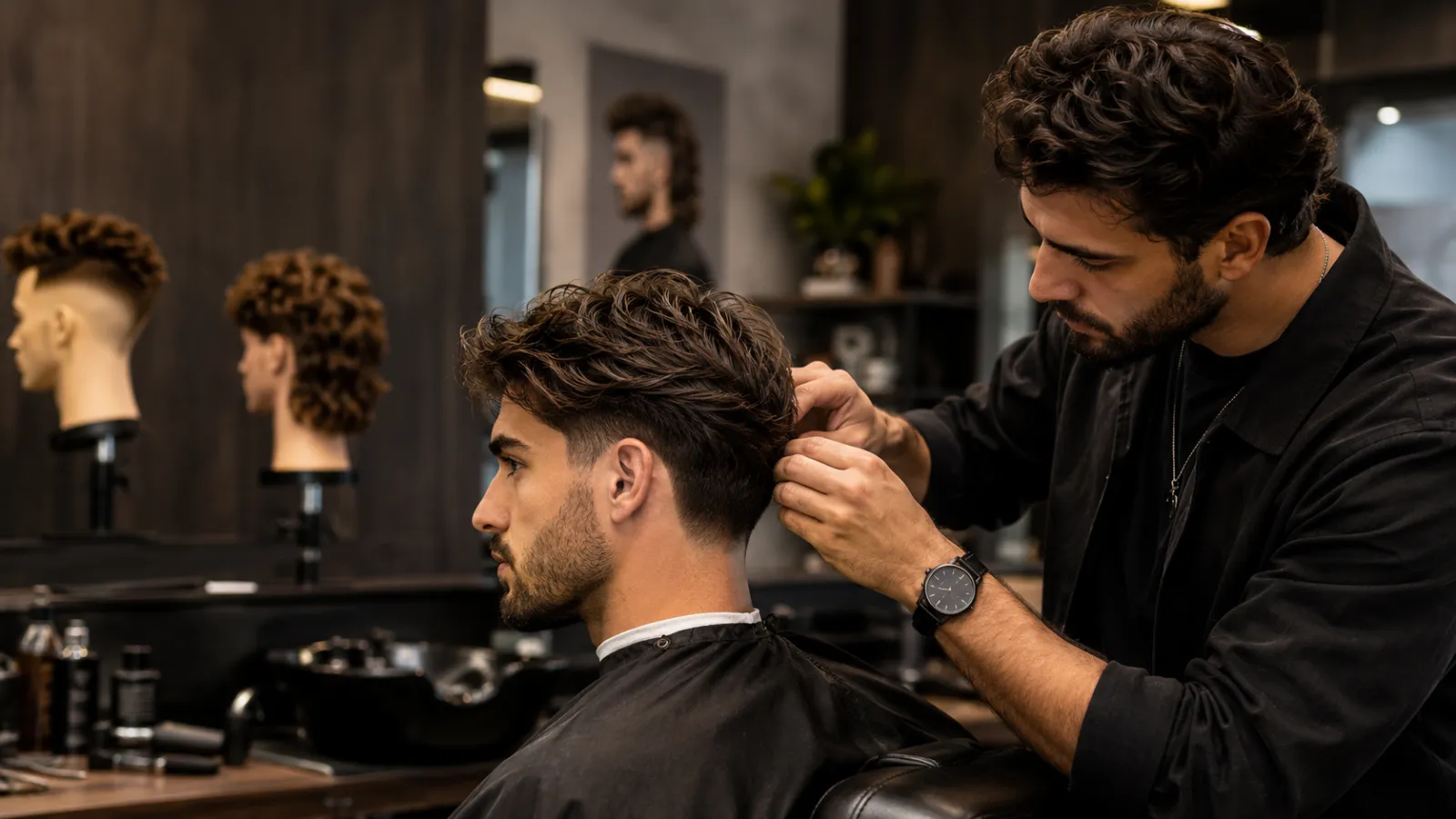
The low taper fade works on those shorter sides. Starting just above the ears, the hair slowly gets shorter toward the neckline. The fade is smooth and clean without any harsh lines.
Together, these two elements balance each other out well. The faux hawk gives the top its shape and a bit of attitude. The low taper underneath keeps the whole cut looking clean and controlled.
Low Taper vs High or Mid Fade — What Makes the Difference
A high fade creates a strong contrast that makes the haircut look cleaner and more dramatic. But a low taper brings things to this style that a higher fade just cannot.
The most practical difference is how long it holds up. A low taper can go three to four weeks before it starts looking like it needs attention. A high skin fade starts showing growth in about ten days. For anyone with a packed schedule, that gap matters more than people realize.
There is also how the cut reads in different rooms. A faux hawk already carries a bit of edge. Pair it with a low taper and the overall look pulls back toward something versatile — professional enough for a corporate setting, but still interesting enough that you did not just go in and ask for "something safe."
Styles Worth Trying
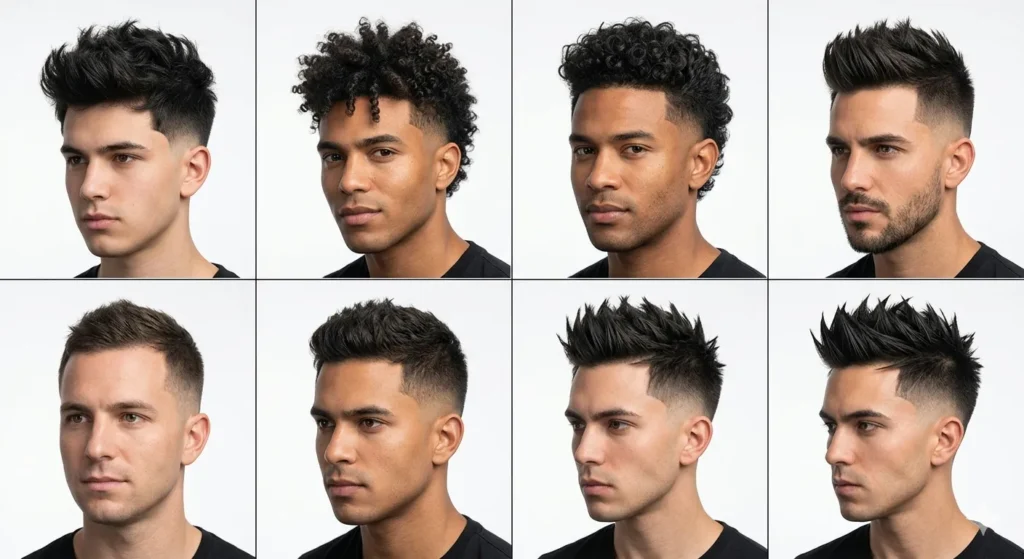
Classic Faux Hawk with Low Taper — The center hair is pushed into a ridge running front to back, held upward and smooth. The sides are faded low and clean. This is the version most people picture when the style comes up and it is the right starting point for anyone trying it for the first time.
- Textured Faux Hawk with Low Taper — The center is left choppy instead of slick. It looks relaxed and current without much effort. Works on most hair types and holds up well day to day.
- Curly Faux Hawk with Low Taper — Natural curls do a lot of the styling work here. The volume and height build on their own, so the faux hawk shape comes together without fighting your hair. The low taper on the sides keeps the silhouette clean.
- Short Faux Hawk with Low Taper — Less height on top, but the shape still reads as a faux hawk. Subtle rather than bold. A good fit for work settings where you want something with personality but nothing that pulls too much focus.
- Spiky Faux Hawk with Low Taper — The center hair is separated and pointed upward into defined spikes. The most attention-grabbing version of this cut. Best suited to someone who is comfortable owning a statement look.
- Slick Faux Hawk with Low Taper — The center is combed back smoothly with a gentle rise rather than a sharp peak. It looks polished and put-together. A solid pick for formal settings or anyone who leans toward a cleaner finish.
- Messy Faux Hawk with Low Taper — The center hair is pushed loosely toward the middle with no real structure to it. Casual and lived-in. The kind of thing you can pull off in a couple of minutes without thinking too hard about it.
Face Shape Matters More Than Most Guys Think
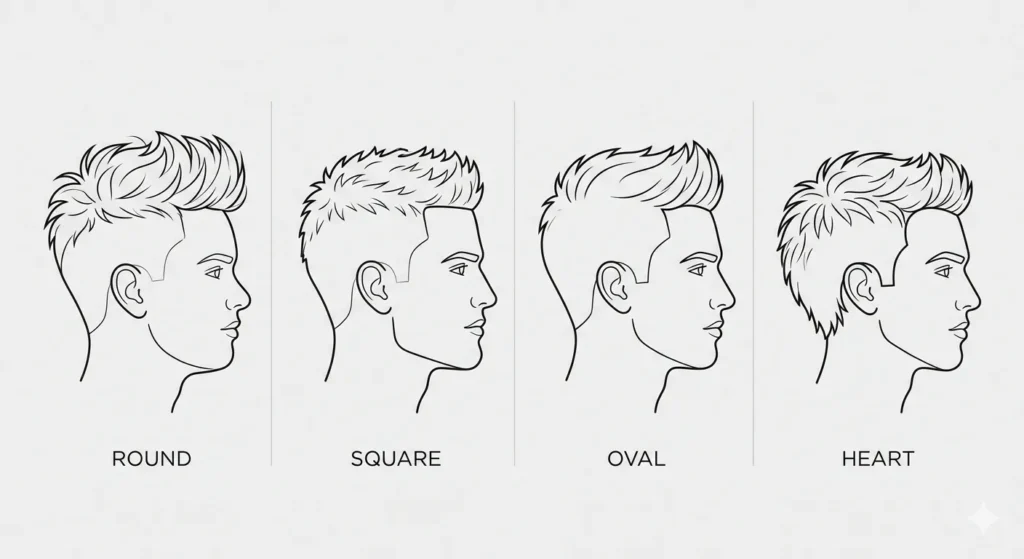
- Round face — Height on top works in your favor. The classic or spiky version adds vertical length and keeps the face from looking too wide.
- Square face — The jawline is already strong. A textured or messy faux hawk adds some softness on top and balances things out without competing with what is already there.
- Oval face — Most options on the list above will suit you. Oval faces have natural balance, so the decision mostly comes down to what you personally want.
- Heart face — Keep the height moderate. A very tall spiky faux hawk draws extra attention toward a wider forehead. A short or textured version keeps the proportions more even.
Styling at Home Without Overthinking It
Start with towel-dried hair — slightly damp is the sweet spot. Completely wet or completely dry both make things harder. Take a small amount of clay or paste and work it through the center section with your fingers. Push the hair upward and toward the middle, then shape it however you like.
The sides need nothing. Leave them alone.
Staying Sharp Between Barber Visits
Three to four weeks between trims works well for this cut. The low taper grows out slowly enough that the fade still looks decent by week three. Skin fades need more maintenance because the sharp fade makes regrowth more visible. It is also better not to wash your hair every single day since that can make it harder to style properly later on.
Talking to Your Barber
Walk in and say: "I want a low taper fade with a faux hawk. Start the fade just above my ears and blend it up naturally. Keep the center long enough to style upward. Clean neckline, sharp finish."
Bring a photo. Even experienced barbers appreciate a visual reference — it removes the guesswork and gets you exactly what you had in mind.
Wrapping Up
The low taper fade with a faux hawk earns attention for the right reasons. The top does the talking, the low taper keeps it grounded and together they cover more ground — more settings, more face shapes, more lifestyles — than most men expect from a single cut. Worth bringing up at your next visit.
Frequently Asked Questions
The low taper keeps the sides clean and understated, which makes this far more office-friendly than a high fade version. Most professional settings have no issue with it.
Three to four weeks for a low taper before the fade starts looking grown out. Skin fade versions need a touch-up closer to every two weeks.
Curly hair is actually one of the better matches for this cut. The natural volume handles the height on its own and the low taper frames the sides cleanly.
A mohawk takes the sides down to the skin completely. A faux hawk keeps the side hair and uses a fade or taper instead. The faux hawk is far more practical for everyday wear.
Yes, this style adds more shape and volume on top, making thin hair look thicker than it is.

Muhammad Zeeshan
Fade Haircuts Expert
Welcome to Urban Gentify, where grooming meets confidence and style meets simplicity. Whether you're searching for the best haircut, trying to grow your hair faster, shaping the perfect beard, or upgrading your fashion game — you're in the right place.
Related Posts
100+ Ideas To Choosing The Right Cut for Your Style, Hair Type, and Lifestyle