
Walking into an interview, your appearance gets read before you say a single word. Interviewers form impressions quickly — sometimes within the first minute — and how put-together you look plays into that whether you intend it to or not. A good haircut will not get you the job on its own, but a sloppy one can work against you before the conversation even starts.
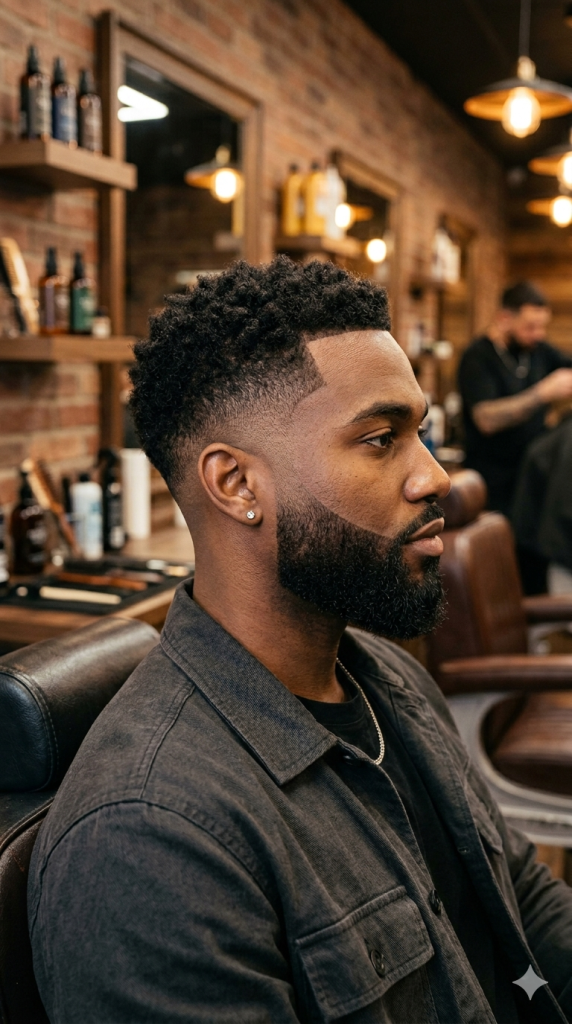
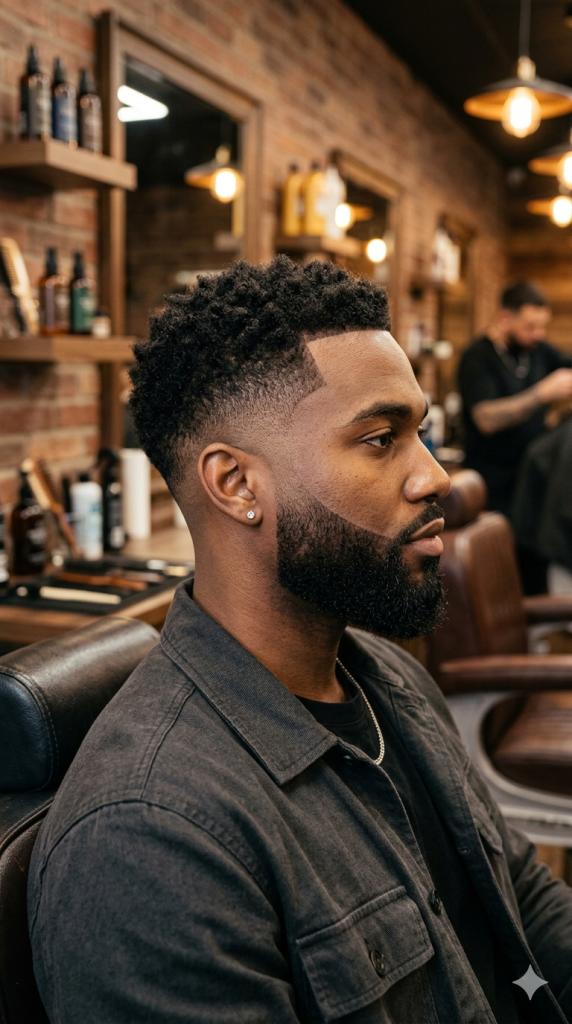
A low taper fade sits in a comfortable spot for interviews. It looks clean and maintained without being flashy or drawing attention to itself. The focus stays on you and what you are saying rather than what is happening in your head.
What Is a Low Taper Fade?
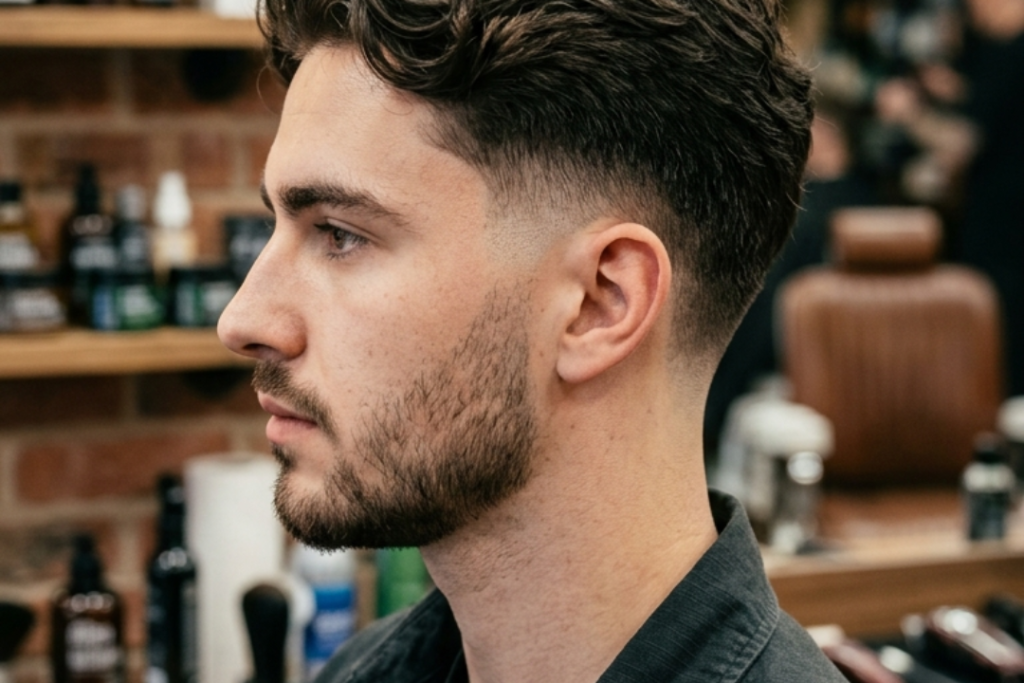
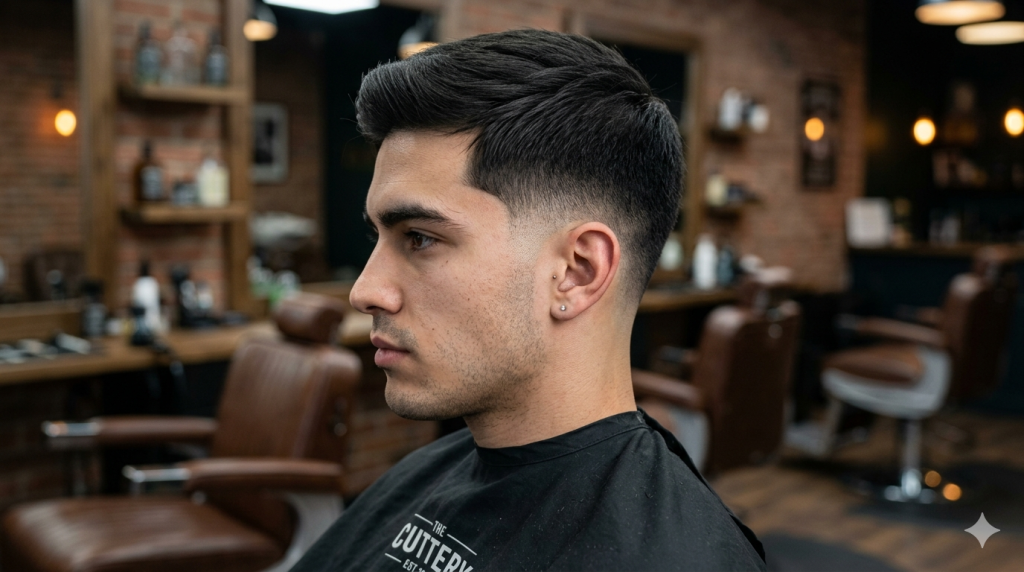
The hair shortens gradually near the ears and neckline while the top stays longer. The transition is smooth and subtle — nothing dramatic, nothing that jumps out. Compare it to a high fade, which creates a much stronger contrast on the sides and the difference in tone is obvious. The low taper reads as calm and considered. That suits an interview setting well.
Is It Actually Professional?
Yes — and consistently so across most industries. The haircut is neat, the lines are clean and it does not lean into any particular subculture or trend. It looks like someone who takes their grooming seriously without overthinking it. That is exactly what you want walking into a room where someone is sizing you up.
Why It Works in This Setting
The main thing working in its favor is that it does not demand attention. An overly bold haircut becomes a talking point and not always in the way you want. A low taper fade sits quietly and lets your qualifications do the talking.
It also requires very little maintenance on the morning of the interview. A quick comb through, maybe a small amount of product if your style calls for it and you are done. One less thing to stress about when you already have enough on your mind.
And the clean lines — around the neckline especially — communicate something about how you carry yourself. Attention to detail in grooming tends to read as attention to detail in general.
Best Styles for Interview Settings
Classic Low Taper Fade
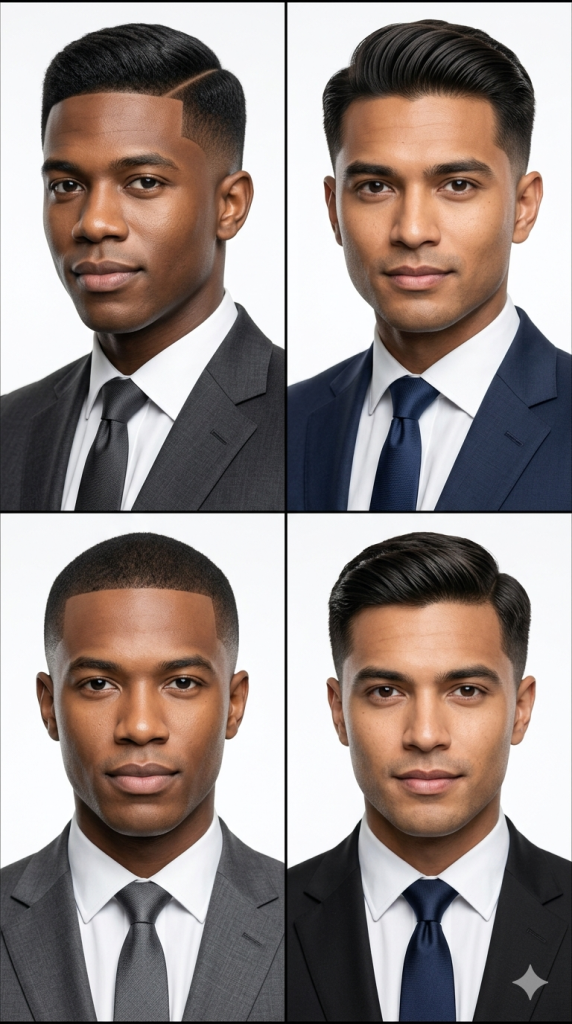
The most straightforward option. Clean taper on the sides, natural length on top, nothing complicated. Works on almost every face shape and hair type. If you are unsure what to go with, start here.
Side Part with Low Taper Fade
The side part adds structure and makes the haircut look more deliberate. It is polished without being stiff — good for office environments, corporate interviews, anything where looking organized matters. A small amount of styling cream keeps the part in place without making the hair look wet or greasy.
Comb Over with Low Taper Fade
A timeless combination. The comb over gives the haircut a mature, confident feel that works especially well for business, finance and management roles. Sharp without being aggressive.
Crew Cut with Low Taper Fade
Short, neat and practically maintenance-free. A good choice for men who prefer less hair to deal with overall. Works particularly well in healthcare, technical and education fields where a clean and practical appearance is valued.
Ivy League with Low Taper Fade
Slightly longer on top than a crew cut, with a defined part. It strikes a balance between formal and approachable that a lot of professionals gravitate toward. Works in both corporate and more relaxed workplace cultures.
Slick Back with Low Taper Fade
Creates a sharper, more polished look suited to higher-level positions or more formal interview environments. Go easy on the product — too much and it starts looking overdone, which is the opposite of what you want.
Wearing a Beard to an Interview
A beard is fine as long as it is clearly maintained. Trim it, shape the edges, clean up the neckline and cheeks and use a little beard oil if it tends to look dry. The key is that it looks intentional rather than neglected.
For more conservative industries — banking, law, government — short stubble or a clean shave tends to be the safer call. It is not a hard rule, but those environments sometimes apply stricter grooming standards.
Styles Worth Avoiding
Shaved patterns or hair designs, very high fades, faux hawks, bright or unnatural hair colors, anything unkempt or unstyled — these pull focus in a direction that does not help you in an interview. The goal is to look approachable and capable, not to make a statement.
Talking to Your Barber
Keep it simple: “Classic low taper fade, professional look, keep it low and clean around the ears and neckline, leave enough on top for a side part or comb over.”
Bring a photo if you have something specific in mind. It removes ambiguity and means you are less likely to walk out with something you did not expect.
Quick Grooming Checklist Before the Interview
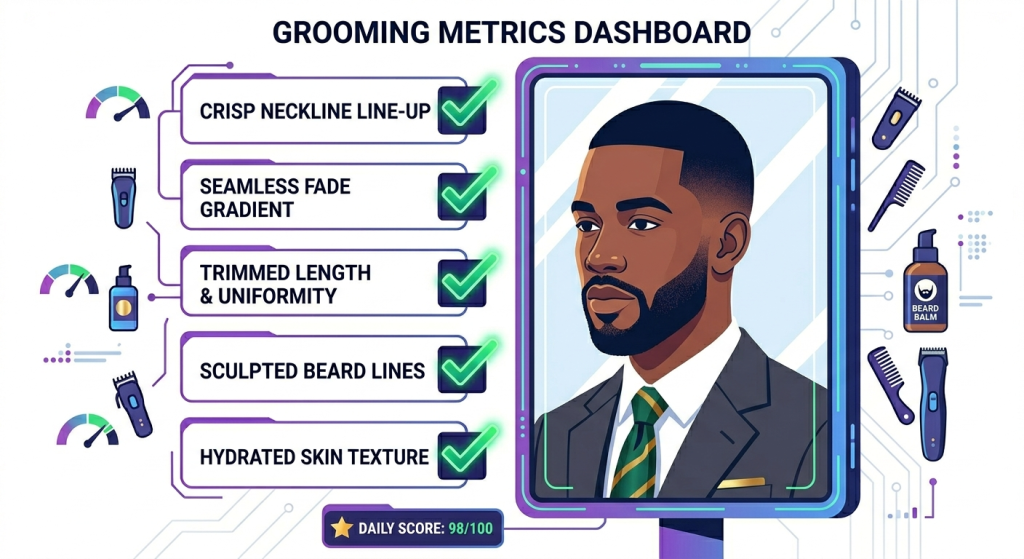
Get the haircut done one to two weeks out — fresh enough to look sharp, settled enough not to look brand new. Check the neckline and sideburns the morning of. If wearing a beard, make sure it is trimmed. Keep product use minimal. Clean, healthy-looking hair always reads better than something that has been heavily styled.
Industries Where This Works Well
Corporate offices, banking and finance, healthcare, education, information technology, marketing, sales, engineering, government — the low taper fade fits into all of these without friction. It is a versatile enough haircut that it rarely conflicts with any professional grooming standard.
FAQ’s
Is a low taper fade good for a corporate interview?
Yes — it is one of the cleaner, more conservative fade options and is generally well-received in corporate settings.
How far in advance should I get it done?
Three to seven days before the interview is ideal. It gives the haircut time to settle while still looking fresh.
Can I wear a beard?
Yes, as long as it is trimmed and well-maintained. Unkempt facial hair undermines an otherwise clean haircut.
Is it better than a high fade for interviews?
In most professional settings, yes. The low taper is more subtle and conservative, which tends to suit interview environments better.
Does it work on all hair types?
Yes — straight, wavy, curly and coily hair all work well with a low taper fade.
Final Thoughts
A low taper fade is a reliable interview haircut because it gets out of the way and lets you be the focus. It is clean, it is versatile and it works across nearly every industry without raising any eyebrows. Pick the variation that suits your face and your field, get it done a few days before the interview and then put your energy into the things that actually get you hired.