The low taper fade looks straightforward from the outside — clean sides, subtle transition, natural finish. But getting it right involves more moving parts than most people realize, and small missteps can completely change how the haircut turns out. A lot of men leave the barbershop with something that does not match what they had in mind, or they get a great cut and then watch it fall apart within a week because of how they are maintaining it.
Most of these problems are avoidable. Here is where things tend to go wrong and what to do instead.
What a Good Low Taper Fade Actually Looks Like
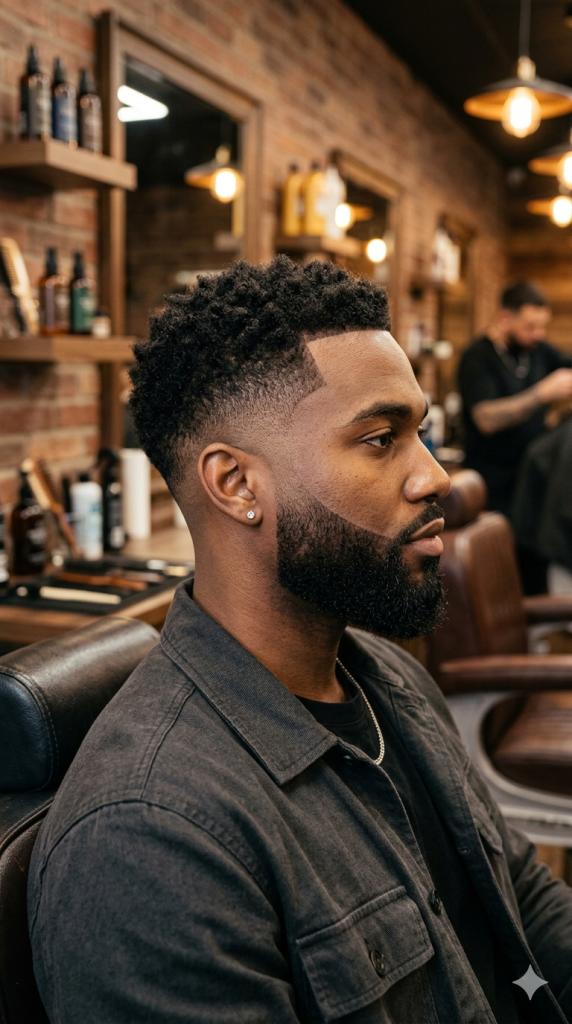
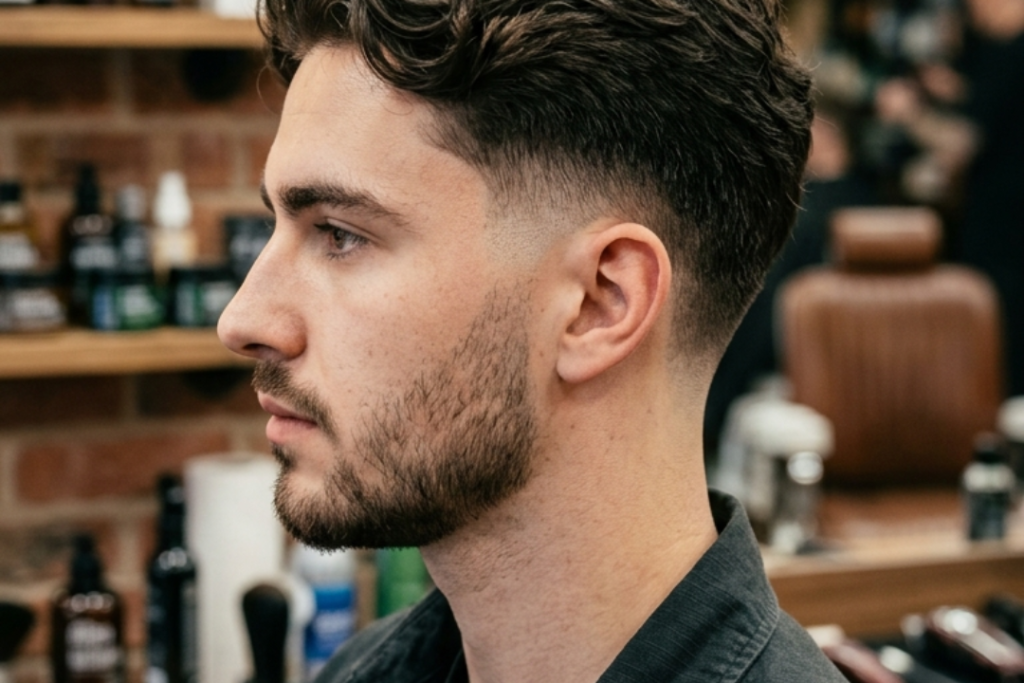
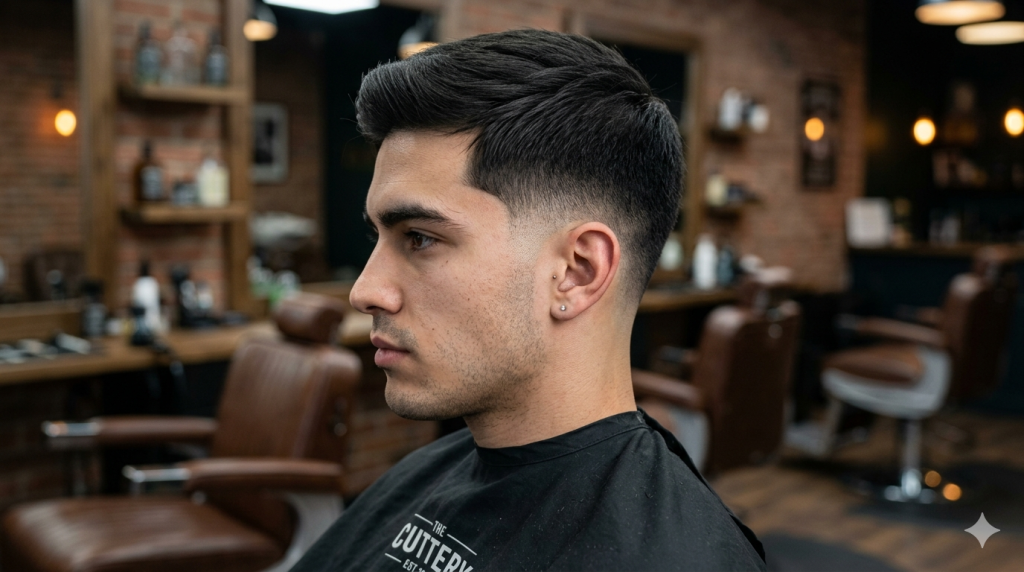
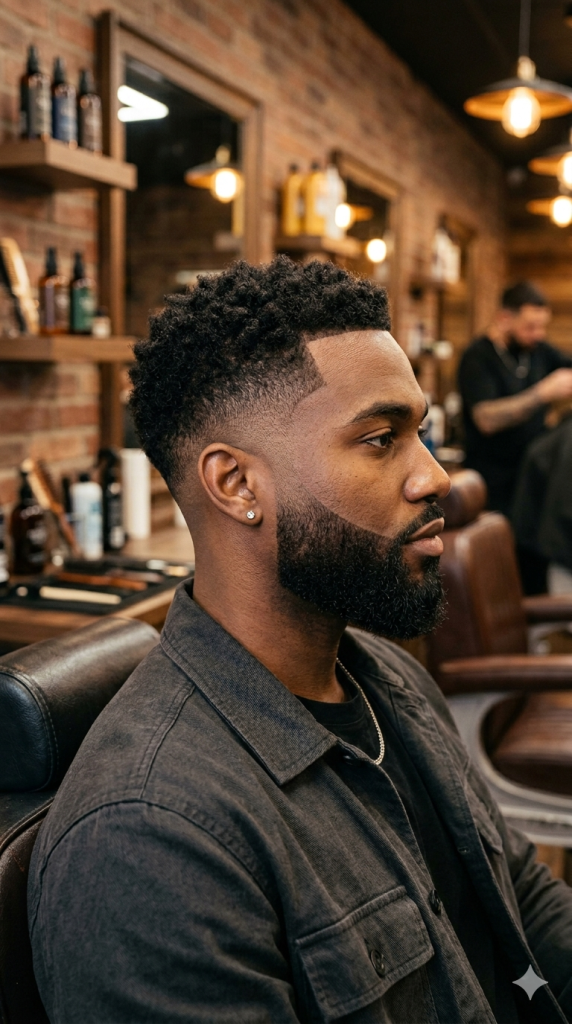
Before getting into mistakes, it helps to have a clear picture of what you are aiming for. The fade starts low — near the ears and neckline — and gradually shortens as it goes down. The sides stay mostly intact. The transition is smooth rather than abrupt. Both sides look even, the neckline is clean, and the top complements what is happening on the sides rather than clashing with it.
When any of those elements are off, the whole haircut suffers.
The Most Common Low Taper Fade Mistakes
Not Bringing a Reference Photo
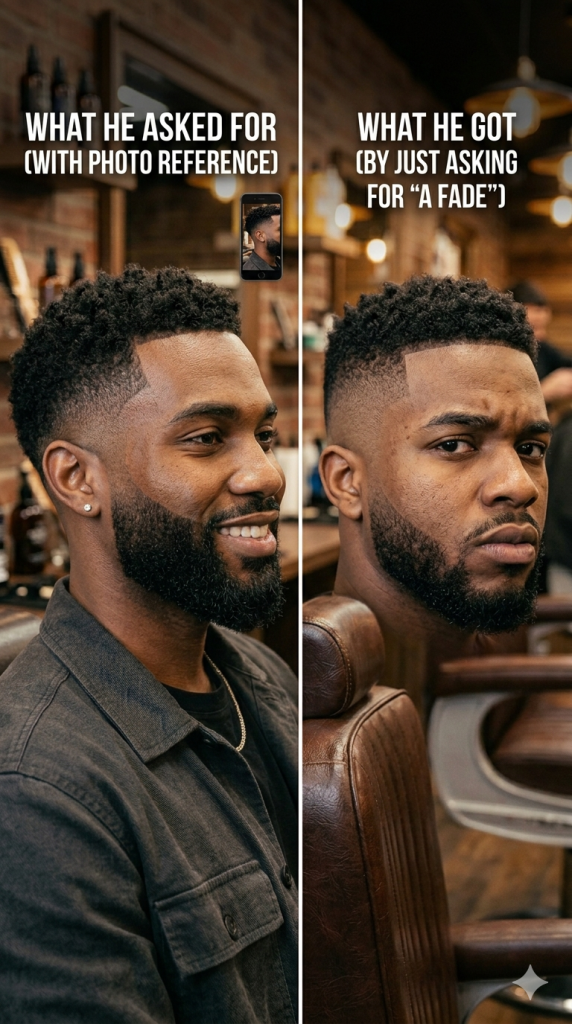
This is probably the single most common reason men walk out disappointed. You have a clear image in your head of what you want, your barber has their own interpretation of what a low taper fade means, and those two things are not always the same. One person’s subtle taper is another person’s mid fade.
A photo removes that gap. You do not need to describe anything — just show it. One or two clear images of the cut you want is enough to get both of you on the same page before any clippers come out.
Asking for “A Fade” Without Being Specific
Low fade, mid fade, high fade, skin fade, taper fade — these are all different haircuts. If you walk in and ask for a fade without specifying, you are leaving the decision to your barber. They will pick something, and it may not be what you had in mind.
Say exactly what you want: “Low taper fade, keep it low around the ears and neckline.” That one sentence already eliminates most of the ambiguity.
Letting the Fade Start Too High
This one catches a lot of first-timers. If you do not mention where you want the fade to begin, some barbers will take it higher than you expect. Once it climbs past a certain point it stops being a low taper and becomes a mid fade — a noticeably different haircut with a more aggressive contrast.
Tell your barber to keep the fade low and natural. If you are not sure how to describe it, show them where on your head you want it to start.
Choosing a Style That Does Not Suit Your Face Shape
A haircut that looks great on someone else will not automatically look great on you — face shape plays a bigger role than most people account for. Round faces generally benefit from some height on top to create length. Square faces suit textured styles that soften strong jawlines. Long faces can look even longer with too much volume added on top.
If you are unsure what works for your face shape, ask your barber before committing to a style. They see this every day and can usually point you in the right direction in a few seconds.
Ignoring Your Hair Type
Thick hair can look bulky if the cut is not adjusted for it. Fine hair can fall flat. Curly hair blends differently than straight hair and needs a barber who understands that. Choosing a style based on how it looks on someone with a completely different hair texture often leads to disappointment.
Work with your natural hair rather than trying to force it into a style it is not suited for.
Going to the Wrong Barber
Not every barber fades well. Some specialize in classic cuts and have limited experience with the kind of detailed blending a good taper requires. Before booking, look at their work. Most barbers have photos online or on their social media. Uneven fades or visible lines in previous cuts are a clear sign to look elsewhere.
Waiting Too Long Between Touch-Ups
A low taper fade looks its sharpest for about two to four weeks. After that, the hair grows enough that the clean transition starts to blur and the neckline loses its definition. A lot of men stretch this out longer than they should and then wonder why their haircut stopped looking good.
Regular trims keep the fade sharp. It does not have to be a full haircut every time — sometimes a quick cleanup of the neckline and sideburns is enough to buy another week or two.
Using Too Much Product
More product does not mean better styling. Too much weighs the hair down, creates a greasy appearance, and actually hides the clean lines that make a low taper fade look good in the first place. Start with a small amount, work it through, and only add more if you genuinely need it. A light, natural finish almost always works better with this haircut than something heavy or shiny.
Trying to Do It Yourself
Fading hair looks simple in tutorials. In practice it requires the right tools, a lot of experience, and the ability to blend evenly on both sides of your own head — which is harder than it sounds. DIY fades commonly result in uneven sides, visible lines where the lengths change, or patches that are cut too short. And once the hair is gone, you are waiting weeks for it to grow back out.
Leave it to a professional. It is not the place to experiment.
Not Blending the Beard With the Fade
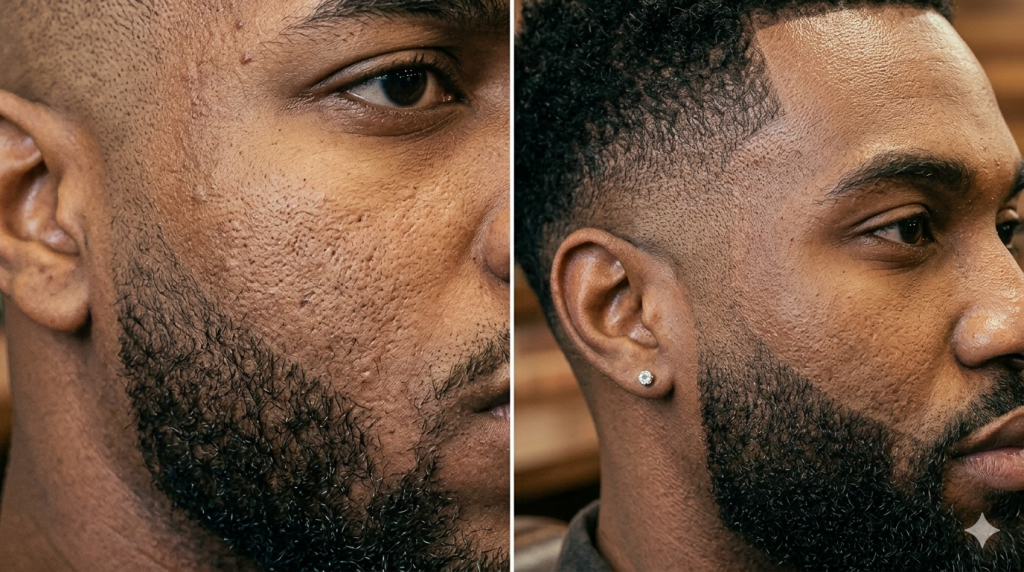
If you have a beard, it needs to connect to the haircut rather than sit next to it. A sharp fade meeting an unblended beard creates a hard line that looks disconnected — like two separate grooming decisions that were never introduced to each other.
Ask your barber to blend the sideburn area gradually into the beard. That smooth transition is what makes the whole look feel intentional.
When Something Goes Wrong
Sometimes mistakes happen even with experienced barbers. If the fade came out too high, there is not much to do except let it grow and adjust at the next appointment. If one side is uneven, go back as soon as possible — most barbers will fix it without charging you again. Visible fade lines can usually be blended out by someone with the right skill. A poor beard transition is generally a quick fix on your next visit.
Maintenance Mistakes That Are Easy to Overlook
Waiting too long between cuts is the most common one, but there are others. Ignoring the neckline between visits lets the tidiest part of the haircut go first. Dry or poorly cared-for hair makes even a fresh cut look dull. And not telling your barber what you liked or disliked about your last haircut means the same issues can repeat next time. They can only work with what you give them.
FAQ’s
What is the most common mistake people make?
Asking for a fade without specifying that they want a low taper. Too vague, too much room for interpretation.
Can a bad fade be fixed?
Often yes — uneven blending and harsh lines can usually be corrected by a skilled barber.
How often should I get a touch-up?
Every two to four weeks. The neckline and sideburns go first, so those areas need the most consistent attention.
Does a low taper fade work on all hair types?
Yes, but it needs to be adjusted for your specific texture. What works on straight hair does not always translate directly to curly or thick hair.
What should I tell my barber before sitting down?
Where you want the fade to start, how much length you want on top, and show a reference photo if you have one.
Final Thoughts
Most low taper fade problems come down to two things — communication before the cut and maintenance after it. Be specific with your barber, bring a photo, and stay on top of regular trims. The haircut itself is forgiving and versatile, but it does need a little attention to stay looking the way it should. Get those basics right and you will rarely leave the barbershop disappointed.