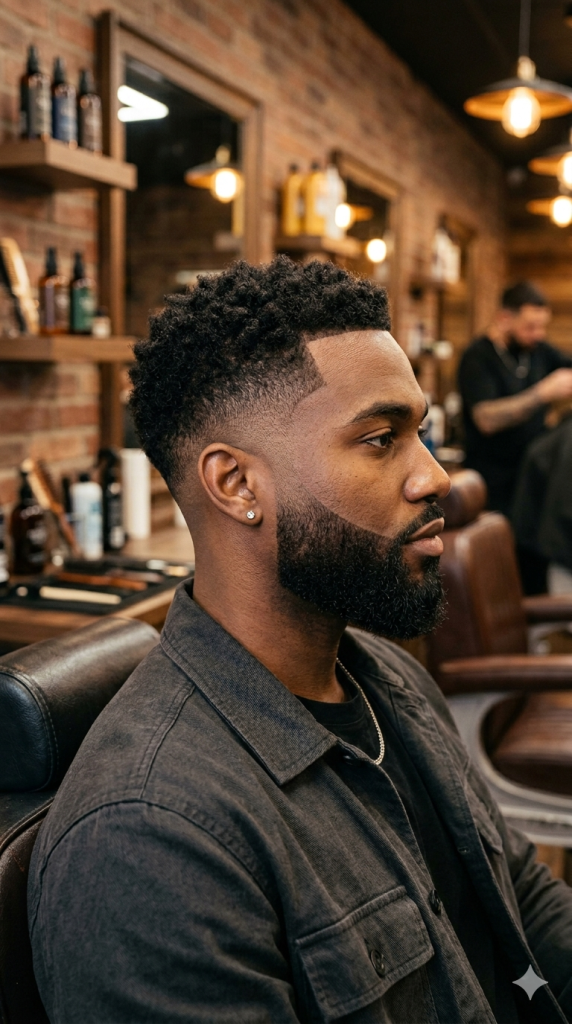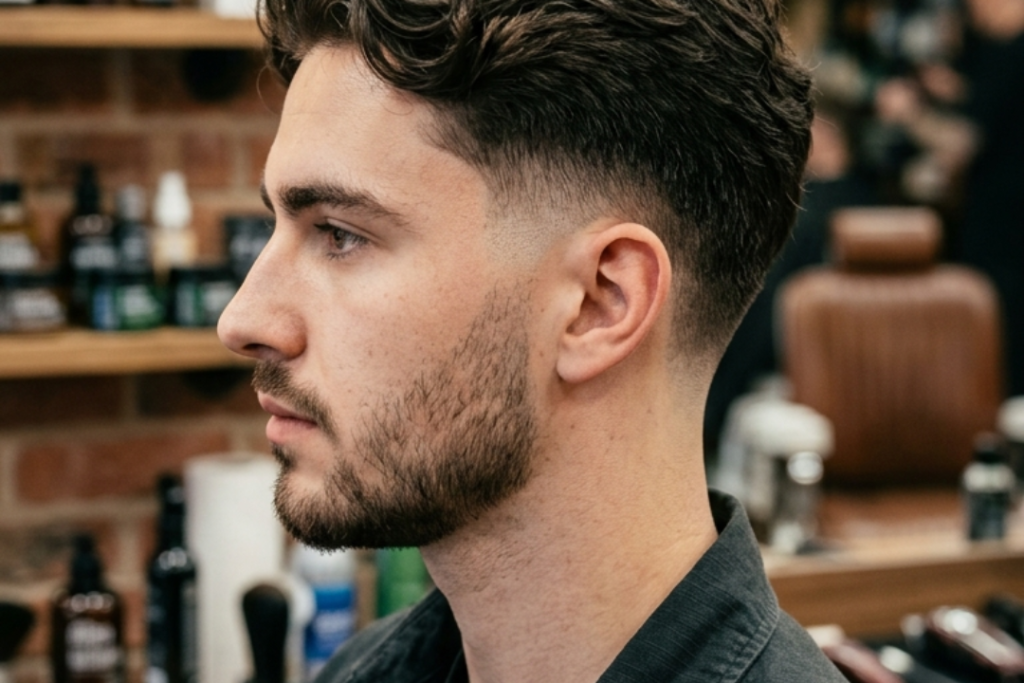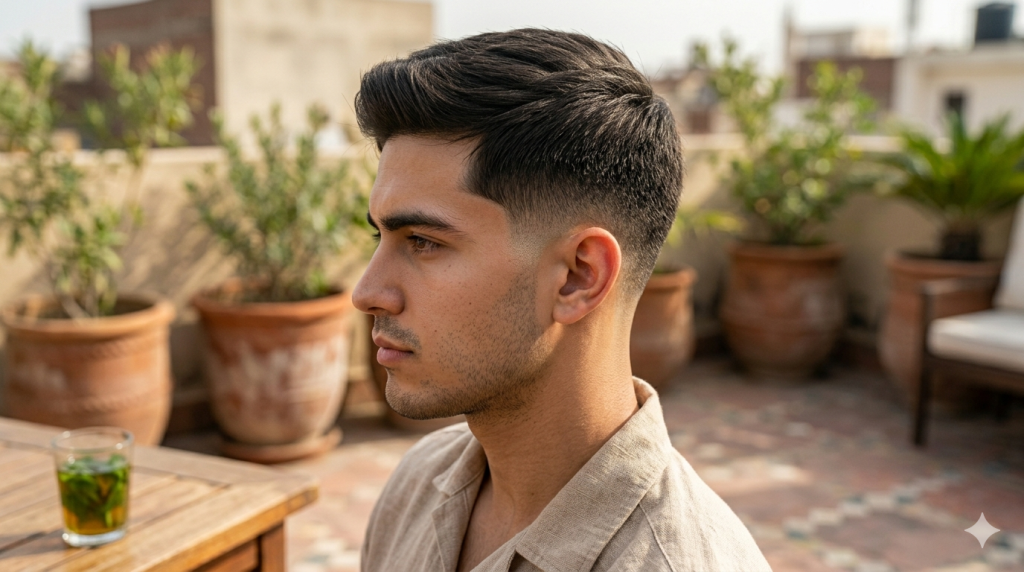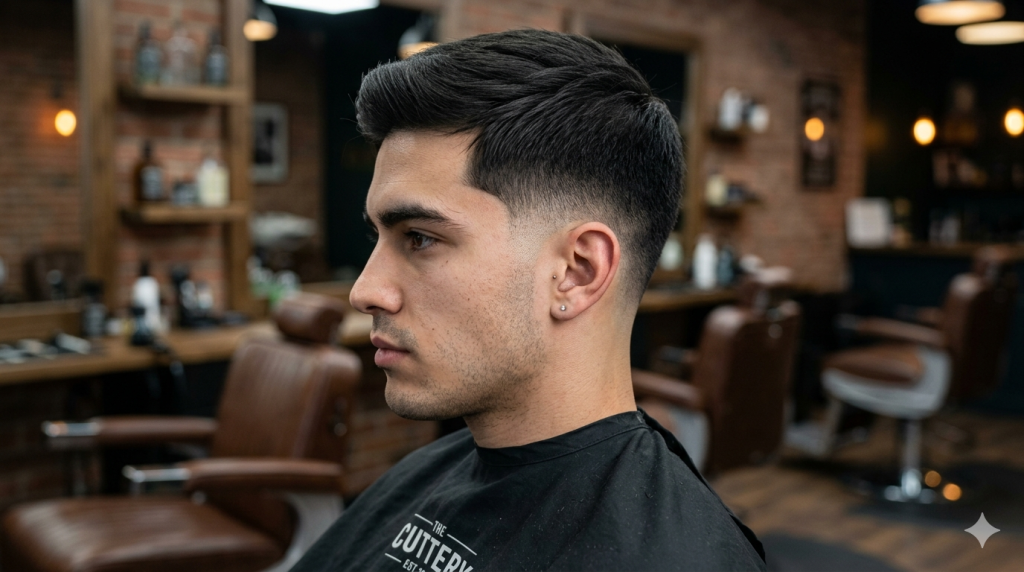
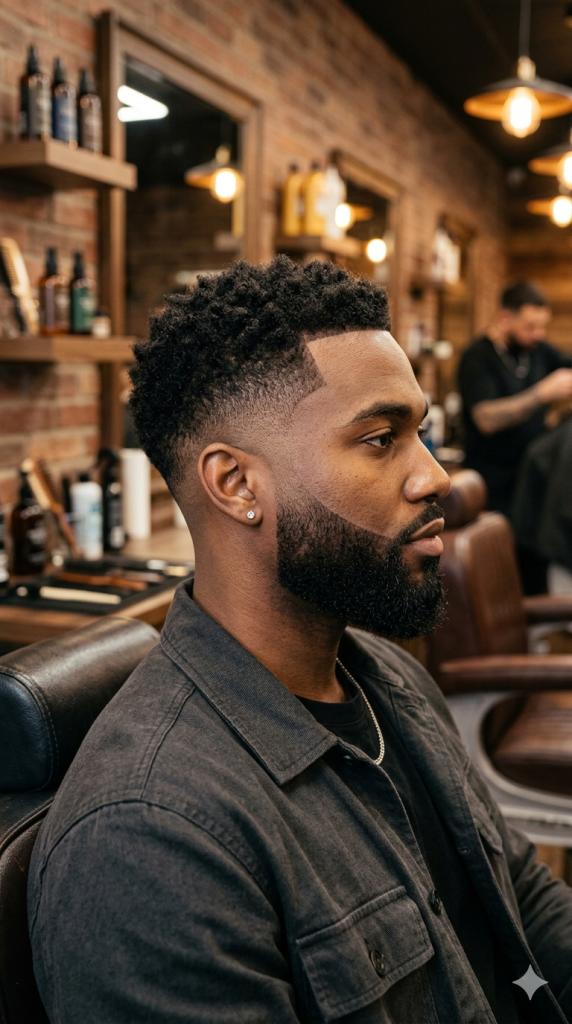
A low taper fade paired with a beard has been a barbershop staple for years, and for good reason. The clean sides, the natural texture sitting on top, the beard pulling everything together below — it is a combination that holds up across different settings without needing much adjustment. Dress it up, dress it down, wear it to work or a wedding — the same haircut handles all of it.
For Black men specifically, this pairing makes a lot of sense. The taper stays low enough that it does not eat into the natural volume on top, which means curls, coils, waves, and afros all stay intact. The beard then adds definition underneath and ties the whole look together.
What Is a Low Taper Fade with Beard?
The hair shortens gradually near the sideburns, ears, and neckline — that is the taper. It stays low on the head rather than climbing up the sides, so the change is subtle. The top keeps its length and whatever texture it naturally has.
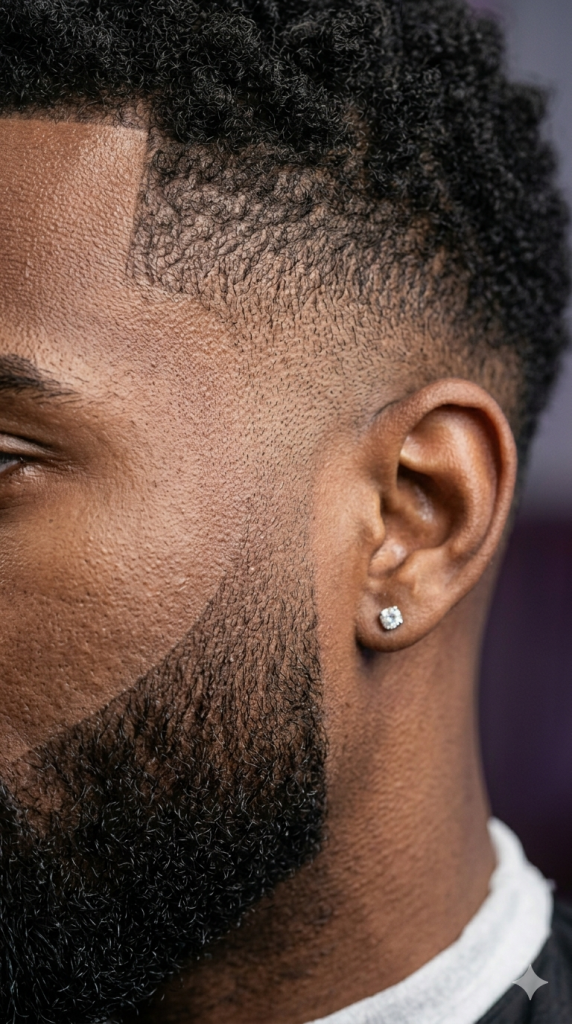
The beard part is where a skilled barber really makes a difference. Instead of leaving a hard line between the haircut and the facial hair, a good blend transitions the sideburn area smoothly into the beard. When that is done right, the haircut and beard feel like one thing rather than two separate grooming decisions sitting next to each other.
Why It Works So Well
The beard does something for the face that the haircut alone cannot — it adds structure along the jaw and pulls attention downward, which balances out whatever is happening on top. The low taper does not compete with that. It sits quietly on the sides and lets the beard and the hair on top take the attention.
It also adapts well. Waves, sponge curls, a short afro, loose coils — the taper works around natural texture rather than flattening it. That flexibility is a big reason this stays one of the most requested looks.
Best Styles to Consider
Low Taper Fade with Full Beard
Bold and balanced. The full beard makes a strong statement while the clean taper keeps it from looking overwhelming. The contrast between sharp sides and a thick beard reads as confident without being loud. Oval, square, and diamond face shapes tend to carry this one particularly well.
Low Taper Fade with Short Beard
Somewhere between 3mm and 8mm — enough to add definition without demanding much upkeep. This version sits comfortably in professional settings and is easy to maintain between barber visits. If the full beard feels like too much commitment, this is the more practical middle ground.
Low Taper Fade with Boxed Beard
Sharp edges, defined lines, structured shape. The boxed beard next to a clean taper creates a look that feels deliberate and well put together. Good for men who want precision without growing a long beard.
Low Taper Fade with Goatee
Draws attention to the chin and jaw while keeping everything else clean. Works especially well on heart-shaped, diamond, and triangular face shapes where the lower half of the face benefits from more definition. The overall look stays sharp without feeling heavy.
Low Taper Fade with Thick Beard
A thick beard and a low taper can look really strong together, but the cheek lines and neckline have to stay clean. That is what separates an intentional thick beard from one that just looks like it got away from you. Regular shaping is non-negotiable here.
Low Taper Fade with Curly Hair and Beard
The curls on top carry the texture, the taper cleans up the sides, and the beard adds weight and maturity below. A medium-length beard usually balances the volume on top without competing with it. The curls stay the main event and everything else supports them.
Low Taper Fade with Waves and Beard
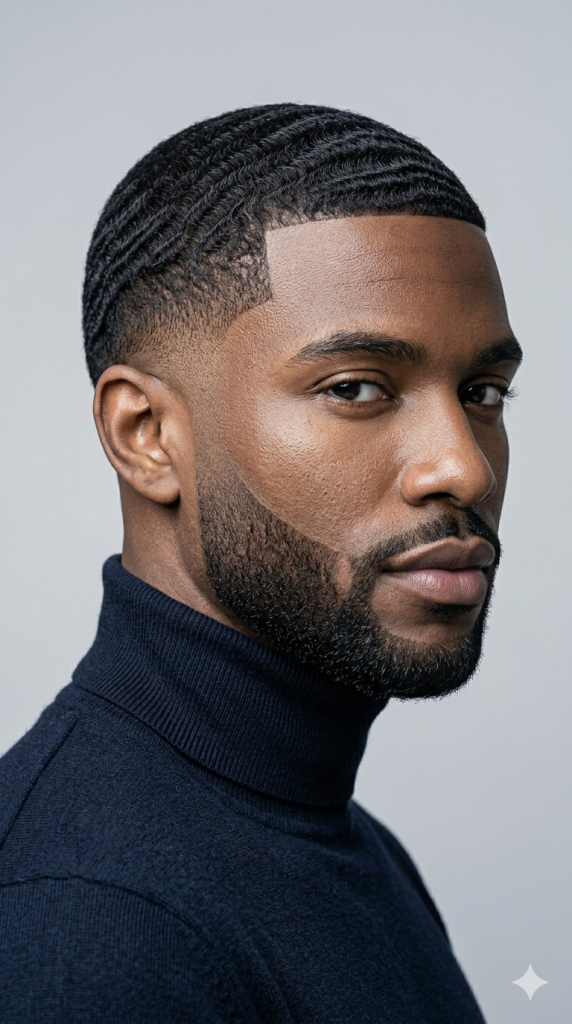
360 waves with a beard is one of the most recognizable combinations in Black men’s grooming. The taper sharpens the edges around the wave pattern and the beard grounds the look below. Both require consistent upkeep — but when they are both fresh and well-maintained, it shows.
Face Shape Considerations
Round faces do better with styles that create some length — a fuller beard combined with waves or curls on top helps with that balance.
Oval faces are the most flexible. Short beard, full beard, goatee — most variations work without much adjustment.
Square faces already have strong jawlines, so a short or boxed beard maintains that structure without adding too much width.
Long faces generally look better with moderate height on top and a fuller beard that adds width rather than more length.
What to Tell Your Barber
Something like: “Low taper fade around the ears and neckline, keep it low, blend the sideburns into my beard, leave my natural texture on top.”
Beyond that, cover the beard length you want, how you want the cheek lines shaped, the neckline style, and how sharp you want the hairline lineup. Bring a photo if you have one — especially for the beard blend, since that detail varies a lot between barbers and a reference removes the guesswork.
Keeping It Looking Good
Two to three weeks is the window for a fade refresh. The blend between the haircut and beard is usually the first thing that starts looking off as the hair grows, so staying close to that schedule matters more with this style than with some others.
Shape the beard regularly even if you are in the process of growing it longer. There is a visible difference between a beard being grown with intention and one that has simply been left alone — shaping keeps it on the right side of that line.
Black hair and beards tend to dry out, so daily moisture helps more than most people expect. Beard oil, leave-in conditioner, shea butter — whatever works for your hair. Dry hair makes even a fresh cut look dull. Brushing the beard daily also helps distribute the natural oils and keeps it looking fuller rather than flat.
Mistakes That Are Easy to Make
The beard blend is the detail that holds this entire look together. A hard line or a poorly blended transition between the fade and the beard makes the whole thing feel unfinished regardless of how clean the rest of it is. It is worth being specific with your barber about what you want there.
Letting the beard grow without any shaping is another one. A beard that has not been touched in weeks reads very differently from one that is being maintained — even if the length is the same.
Skipping moisture consistently will eventually show up in the hair and the beard both. It is easy to overlook until it becomes obvious.
And stretching the time between trims too far is probably the most common mistake. The low taper looks sharp for a couple of weeks and then starts losing its edge. Once it gets too grown out the whole style reads differently — and not in a good way.
FAQ’s
Is a low taper fade with a beard good for Black men?
It works particularly well. The style complements natural Black hair textures and stays versatile enough to work across different settings and hair types.
How often should I get a touch-up?
Every two to three weeks. The blend between the fade and the beard is usually the first area to lose its sharpness.
Which beard style works best?
Depends on your face shape and how much maintenance you want. Full beards, short beards, boxed beards, and goatees all work well with a low taper — it comes down to what fits your face and your routine.
Can I wear this to work?
Yes. The low taper is one of the cleaner fade options and pairs well with neatly groomed facial hair in most professional environments.
Does it work with 360 waves?
It does. The taper highlights the wave pattern around the edges and the beard adds definition below.
How do I get the beard blend right?
Ask your barber to gradually taper the sideburn area into the beard rather than leaving a hard line. That smooth transition is what makes the haircut and beard feel connected rather than separate.
Final Thoughts
This combination works because everything in it supports everything else. The taper cleans up the sides without disturbing the natural texture on top. The beard adds structure and definition below. The blend between the two ties it all together. Get the right variation for your face shape, stay on top of the maintenance, and this is a haircut that holds up well in almost any situation.