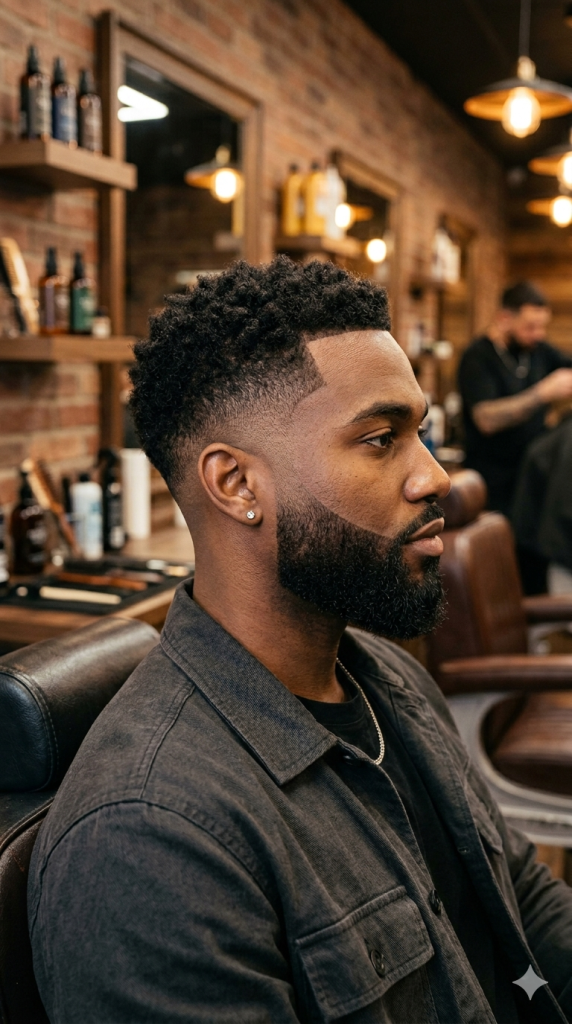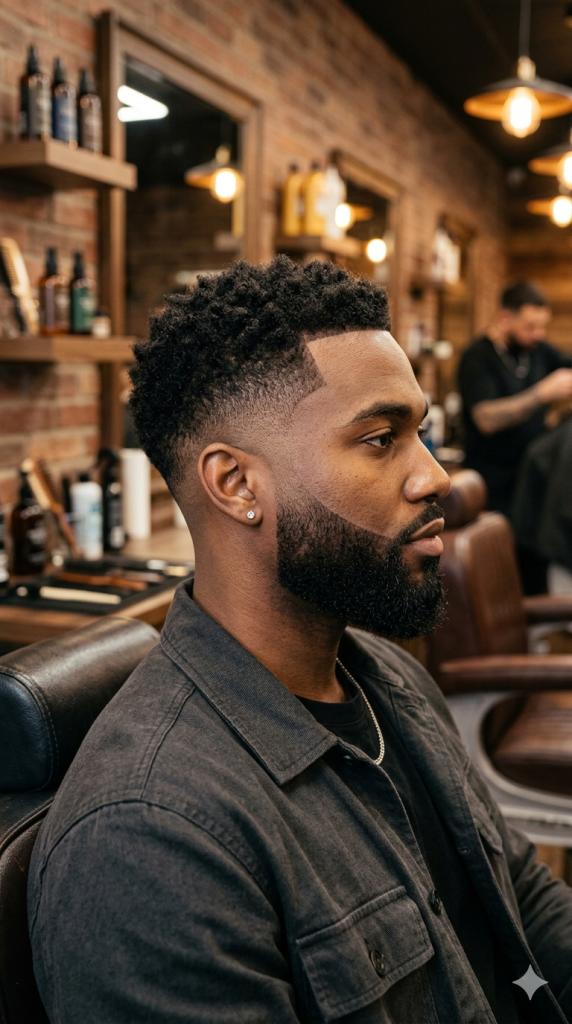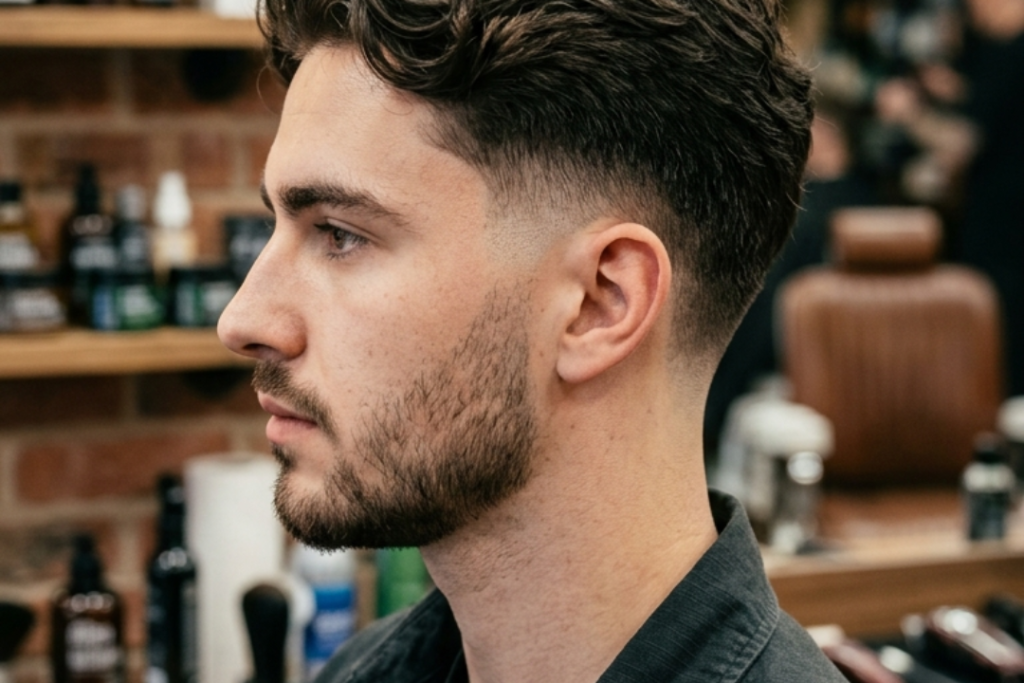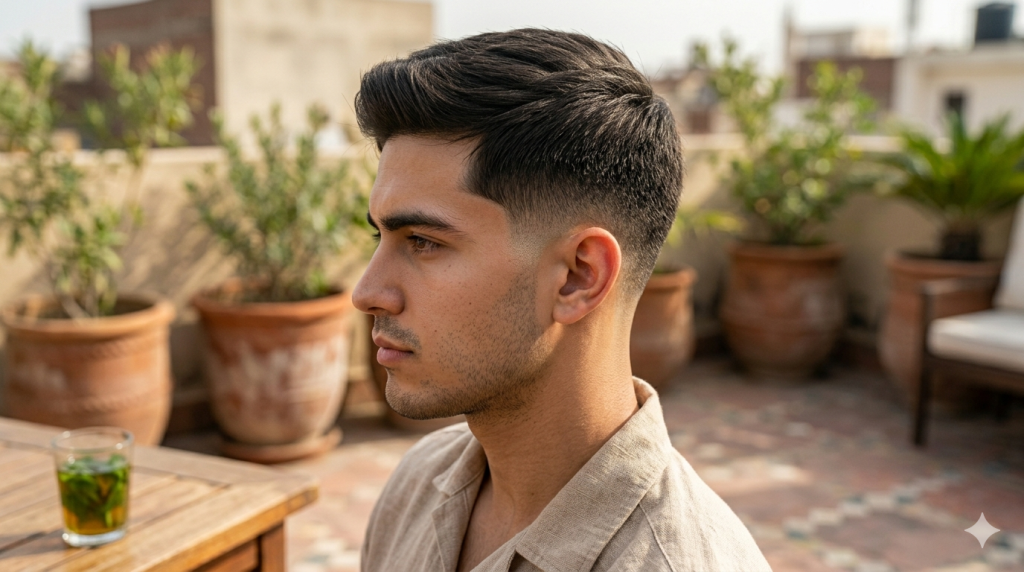
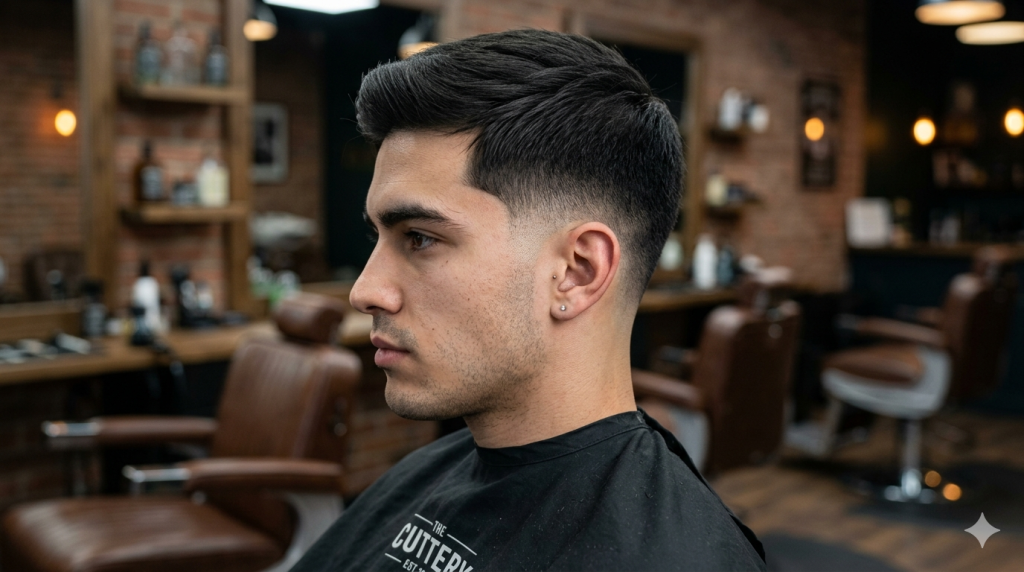
Straight hair and a low taper fade go hand in hand. The smooth, flat texture of straight hair makes the fade look crisp around the ears and neckline — cleaner than most other hair types, honestly. And because the blend sits low, the overall look stays sharp without being too aggressive or dramatic.
This is probably why so many men stick with this haircut. It works at the office, looks fine at the gym, and you do not have to do much to it in the morning.
What Is a Low Taper Fade?
A low taper fade means the hair gets gradually shorter near the ears and neckline. It does not climb high up the sides like a high fade — it stays close to the bottom, which gives the haircut a softer, more natural finish.
With straight hair, the lines look even cleaner because the hair lies flat. There is no curl or wave breaking up the blend.
Why It Works So Well on Straight Hair
Straight hair makes everything easier with this cut. The fade blends more smoothly, side parts look sharper, and slick backs actually stay in place. You also spend less time styling because the hair already cooperates.
It is a versatile cut too. Dress it up for work, keep it relaxed on weekends — the same haircut handles both without much effort.
The Best Styles to Try
Classic Low Taper Fade
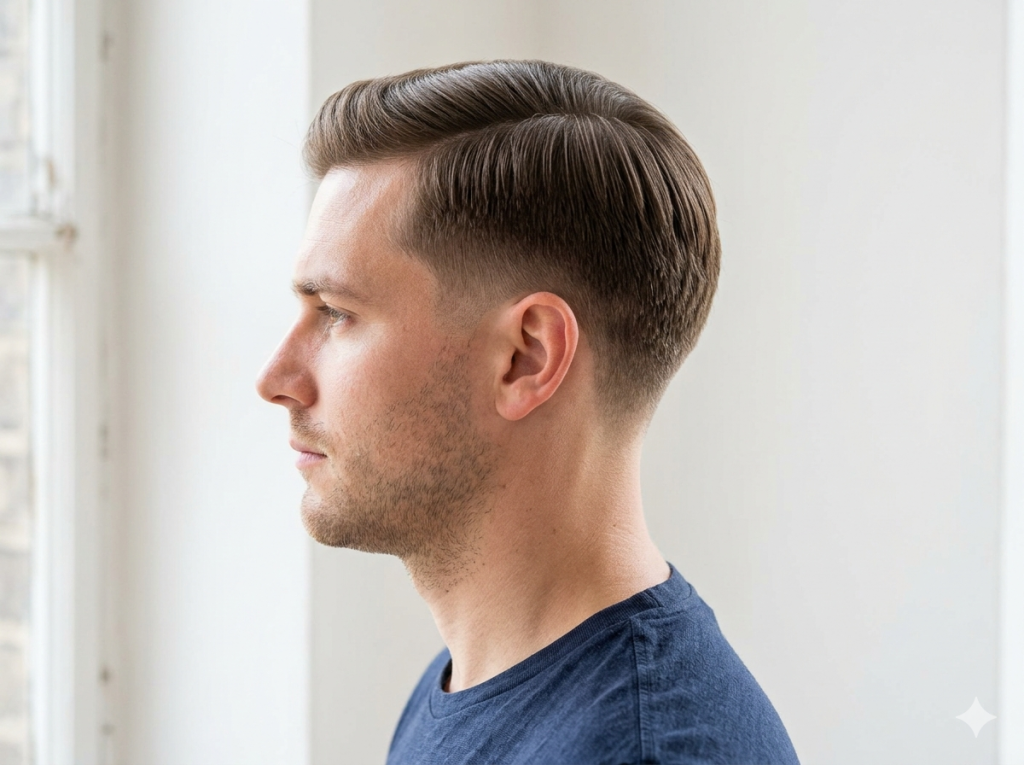
Nothing complicated here. The top stays at a natural length, the sides fade down softly near the ears. It is a clean, no-fuss haircut that works in almost any setting — school, office, or just everyday life. Good starting point if you have never tried a taper before.
Side Part Low Taper
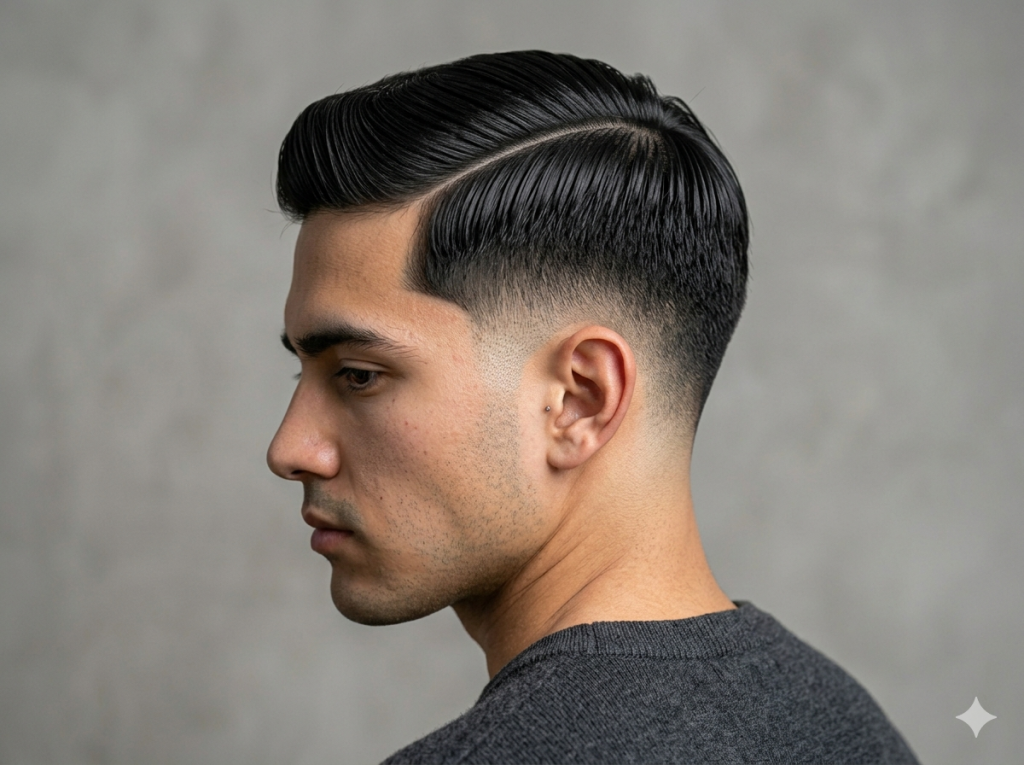
The side part gives straight hair some real structure. Combined with a low taper, the whole look becomes noticeably neater and more put-together. Works well in professional settings but does not look stiff or overdone. A small amount of pomade keeps the part from falling apart throughout the day.
Slick Back Low Taper
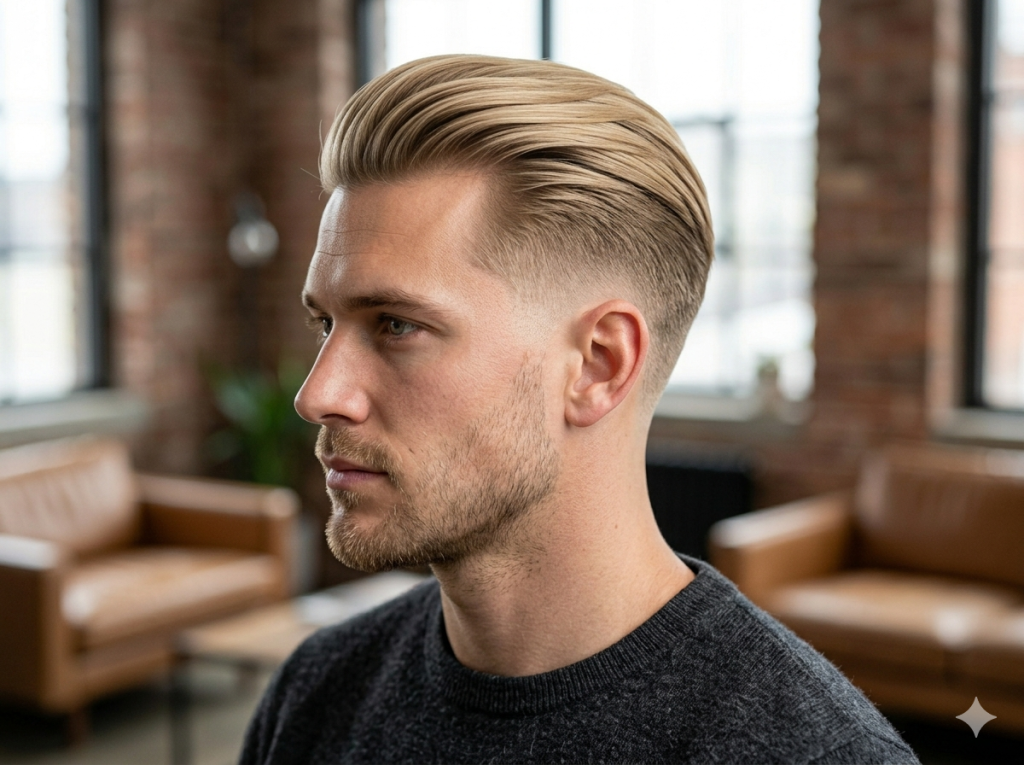
Straight hair is actually ideal for a slick back because it naturally wants to go in that direction. The low taper keeps the sides clean while the top stays swept back and smooth. Works better with medium to thick hair. Blow dry it back first, then finish with a light pomade.
Textured Crop with Low Taper
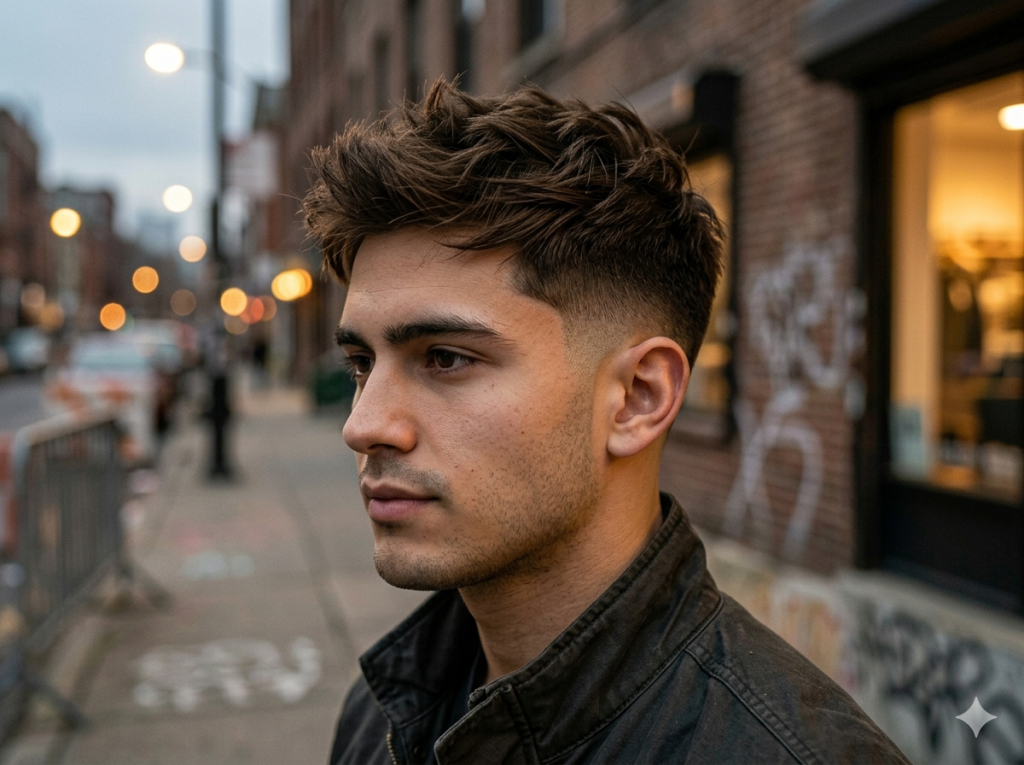
If your straight hair tends to fall flat, a textured crop is worth considering. The choppy top adds some movement and prevents that lifeless look flat hair can get. It also requires minimal effort to style — a little matte clay worked in with your fingers and you are done.
Low Taper Fringe
Some hair falls forward naturally, and a fringe works with that instead of fighting it. The taper controls the sides while the front stays soft and slightly relaxed. Suits thinner straight hair particularly well, and works nicely on oval faces.
Buzz Cut with Low Taper
About as simple as it gets. Short on top, clean taper on the sides, minimal maintenance. If you run hot, stay busy, or just do not want to think about your hair in the morning, this one makes sense.
Messy Straight Hair Taper
The top is intentionally relaxed and slightly undone, but the taper on the sides keeps the whole thing from looking sloppy. It is a casual style but still has enough structure to look intentional. Skip the comb — just work some matte clay through with your hands.
Pompadour Low Taper
The pompadour pushes volume to the front, which gives the face more definition and makes the whole haircut feel bolder. Best suited for thicker straight hair since fine hair can struggle to hold the height. The low taper balances everything out on the sides.
Middle Part with Low Taper

The middle part has been everywhere lately and straight hair pulls it off naturally — the hair falls evenly on both sides without much effort. The low taper stops the sides from looking too heavy or overgrown.
Long Straight Hair with Low Taper
Longer hair on top with a tapered side creates a strong contrast that looks intentional and modern. Good for men who want more movement or simply prefer keeping some length. Blow drying backward adds a bit of body if the hair tends to sit flat.
Matching the Style to Your Hair Type
Fine hair — go for textured crops, fringes, or side parts. These create an illusion of thickness. Stay away from heavy products — they will weigh fine hair down fast.
Thick hair — slick backs, pompadours, and messier styles all work well. The taper also helps take some bulk off the sides, which thick hair needs.
Flat hair — use a blow dryer and a sea salt spray or matte clay to build some shape. Without a little lift, flat hair can make even a good haircut look dull.
Face Shape Considerations
Oval faces are the easiest — most styles work. Round faces benefit from height on top, so a pompadour or textured crop helps elongate the look. Square faces suit sharp side parts and slick backs, which complement a strong jawline. Long faces are better off with softer, wider styles rather than anything that adds more height.
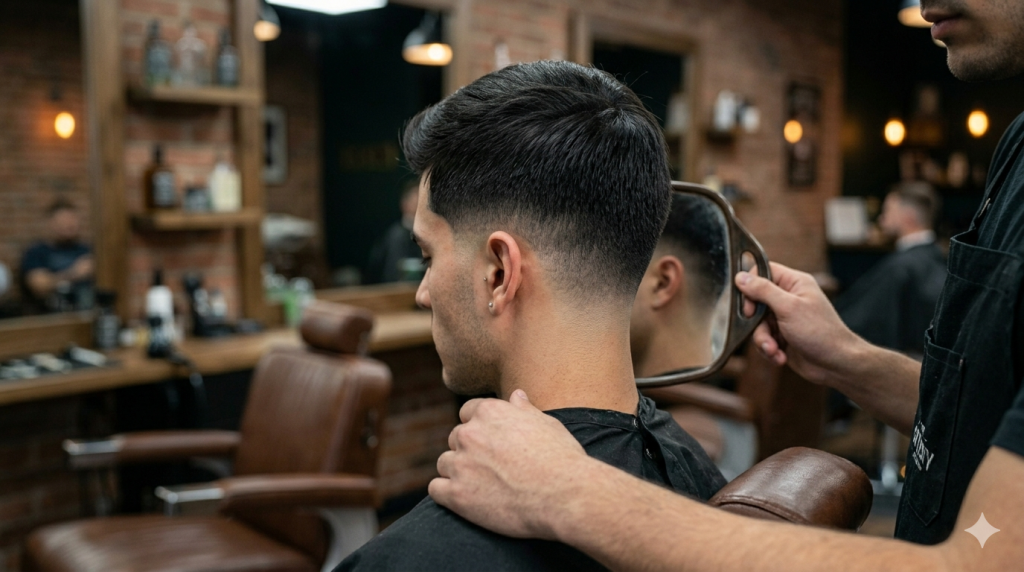
Talking to Your Barber
Keep it simple: “Low taper fade, keep it tight around the ears and neckline, do not bring it too high.” Then tell them how much length you want on top and whether you prefer a natural or squared-off neckline. If you have a photo of what you want, bring it — it removes any guesswork.
How to Style It at Home
Start on slightly damp hair. Work in your product first, then blow dry it into shape. For a natural finish, matte clay is the most forgiving. For something sharper, light pomade gives more control. Sea salt spray adds texture if your hair tends to lie flat. Avoid thick waxes — straight hair shows grease quickly and it is hard to recover once it looks oily.
Mistakes Worth Avoiding
Too much product is the most common one. Straight hair does not need much — a little goes a long way, and overdoing it just makes everything look heavy and flat.
Letting the barber take the fade too high is another common issue. Once it goes past a certain point, it stops being a low taper and becomes something else entirely. Be specific when you ask.
And do not skip trims. A low taper looks sharp for about two to three weeks, then it starts losing its shape. Staying on top of it is easier than trying to fix a grown-out fade.
FAQs
Is a low taper fade good for straight hair?
Straight hair actually shows the fade better than most other types. The lines come out cleaner and the blend looks more natural.
What is the easiest style to maintain?
A buzz cut with a low taper. Almost no styling required and it stays looking decent longer than most cuts.
Can thin straight hair pull off a low taper?
Yes — a textured crop or fringe works well and adds the appearance of more volume.
What works best for the office?
Side part or slick back. Both look professional without being boring.
How often do you need a trim?
Every two to three weeks to keep the taper looking clean.
Conclusion
A low taper fade suits straight hair better than most men realize. The hair type naturally makes the fade look cleaner, the styling is straightforward, and the cut adapts to whatever setting you are in. Start with a classic low taper or a side part if you are unsure — both are easy to maintain and hard to get wrong.