More Than Just a Haircut
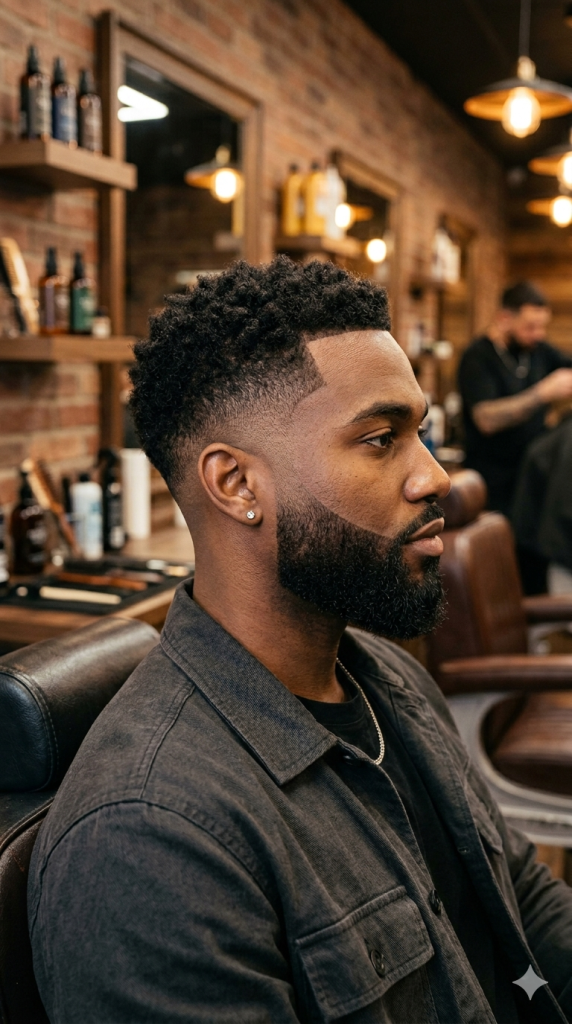
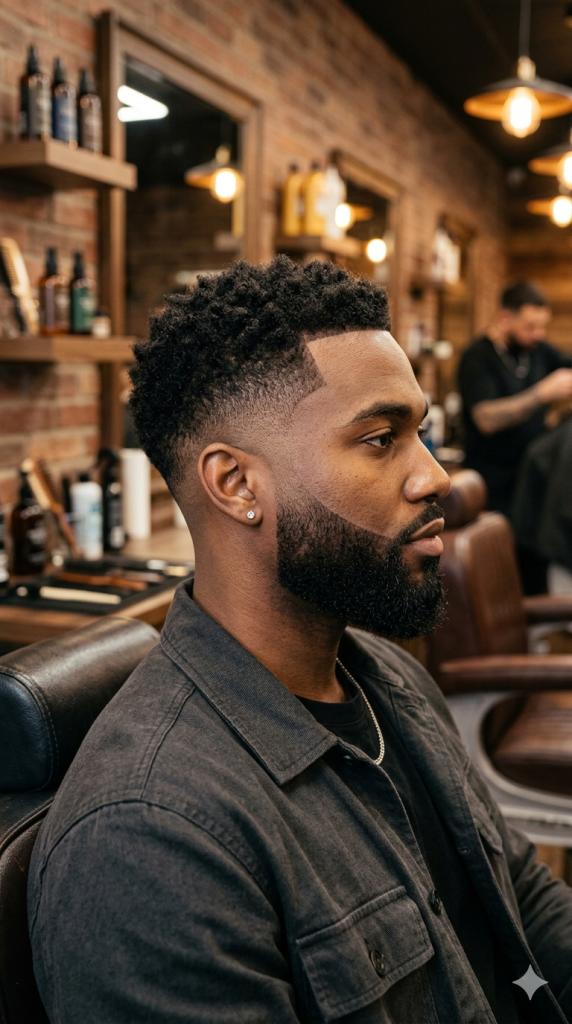
Many boys and men choose this haircut for daily life. It works well for normal days and special events. The fade is not only about style. It also has a story and background. To understand it, we need to learn where it started.
But the fade is not just about style. It has a history and cultural meaning. To understand it, we need to look at its beginning.
Early Roots Before the Military (Late 1800s – Early 1900s)
In the late 1800s and early 1900s, Black barbers were already using this haircut style. At that time, it was not famous but it later became very popular. Their work helped create the fade we know today.
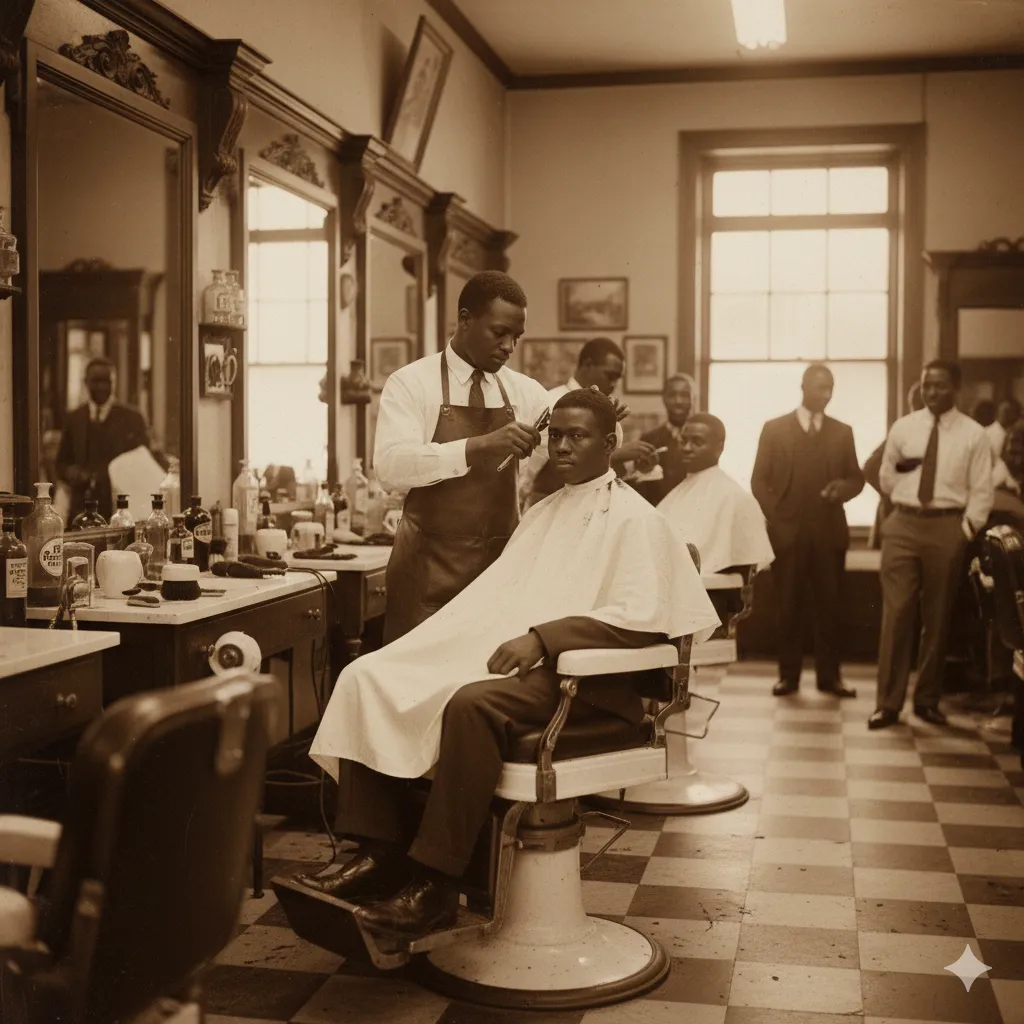
In those days, life was hard for many Black men. Looking clean and well groomed was very important. A clean haircut showed pride, discipline and self respect. Barbers in Black communities became highly skilled at creating sharp hairlines and smooth blends. These first cutting styles set the base for the fade we know today. Barbershops not only for haircuts. Men came there to talk, share ideas and feel confident.
The Military Era (1940s–1950s)
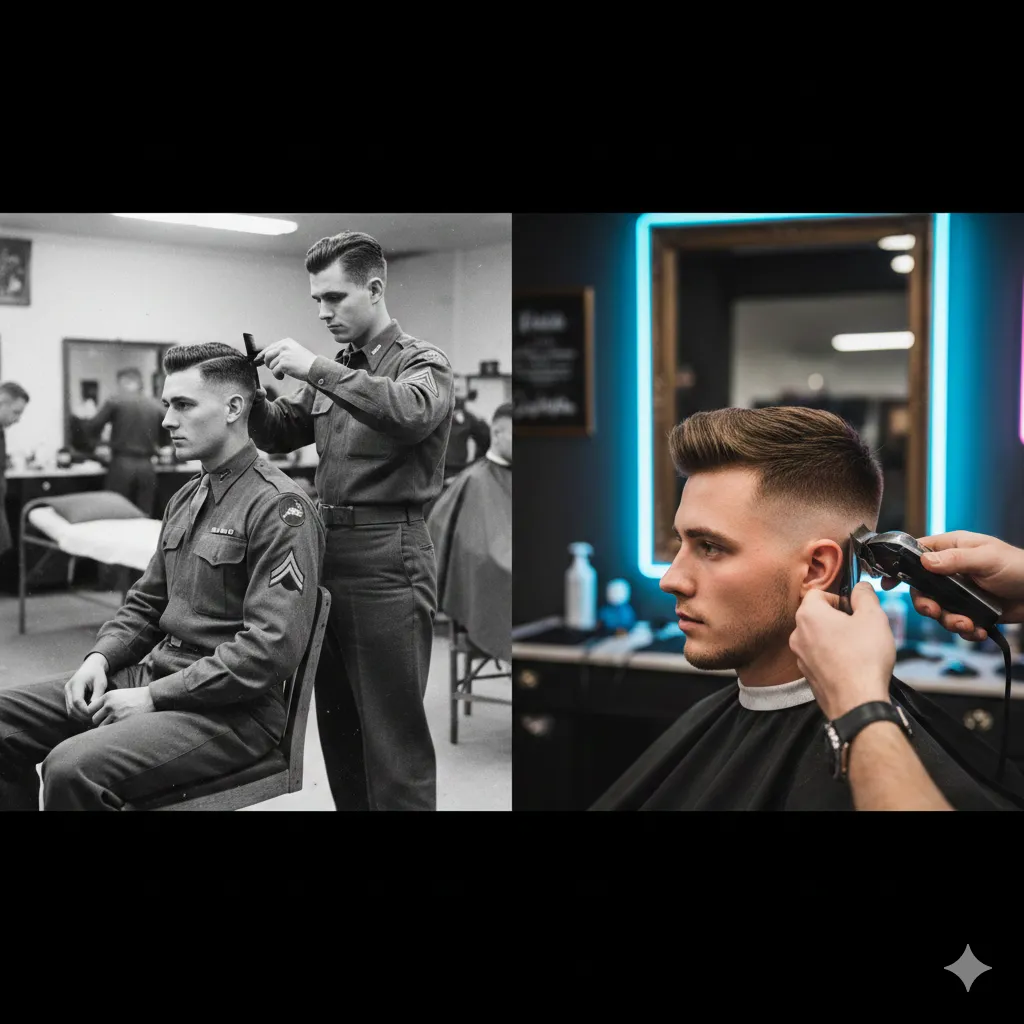
The fade became more widely known during World War II. The U.S. military required soldiers to keep their hair short and clean.
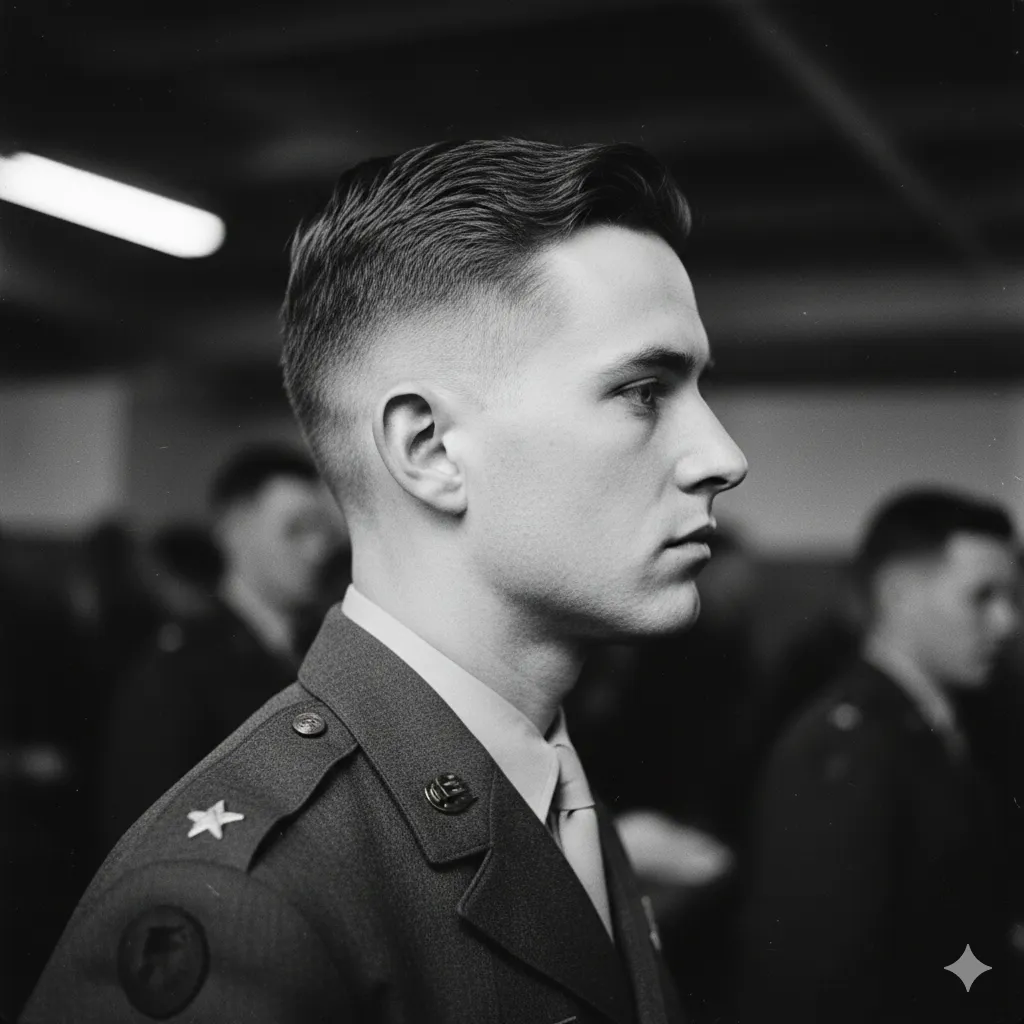
The “high and tight” haircut became standard. It kept hair off the ears and neck. It was easy to maintain and hygienic in tough conditions.
Electric clippers, which became popular in the 1930s, made it easier to create smooth transitions from short hair to slightly longer hair. This helped barbers perfect the fade look.
After the war, soldiers had neat haircuts. Regular people started wearing the same style.
The 1980s: The Hip-Hop Explosion
The fade became famous in the 1980s. In Black and Latino communities in cities like New York and Los Angeles barbers began trying new haircut styles. The hi-top fade became a way to show creativity and pride.
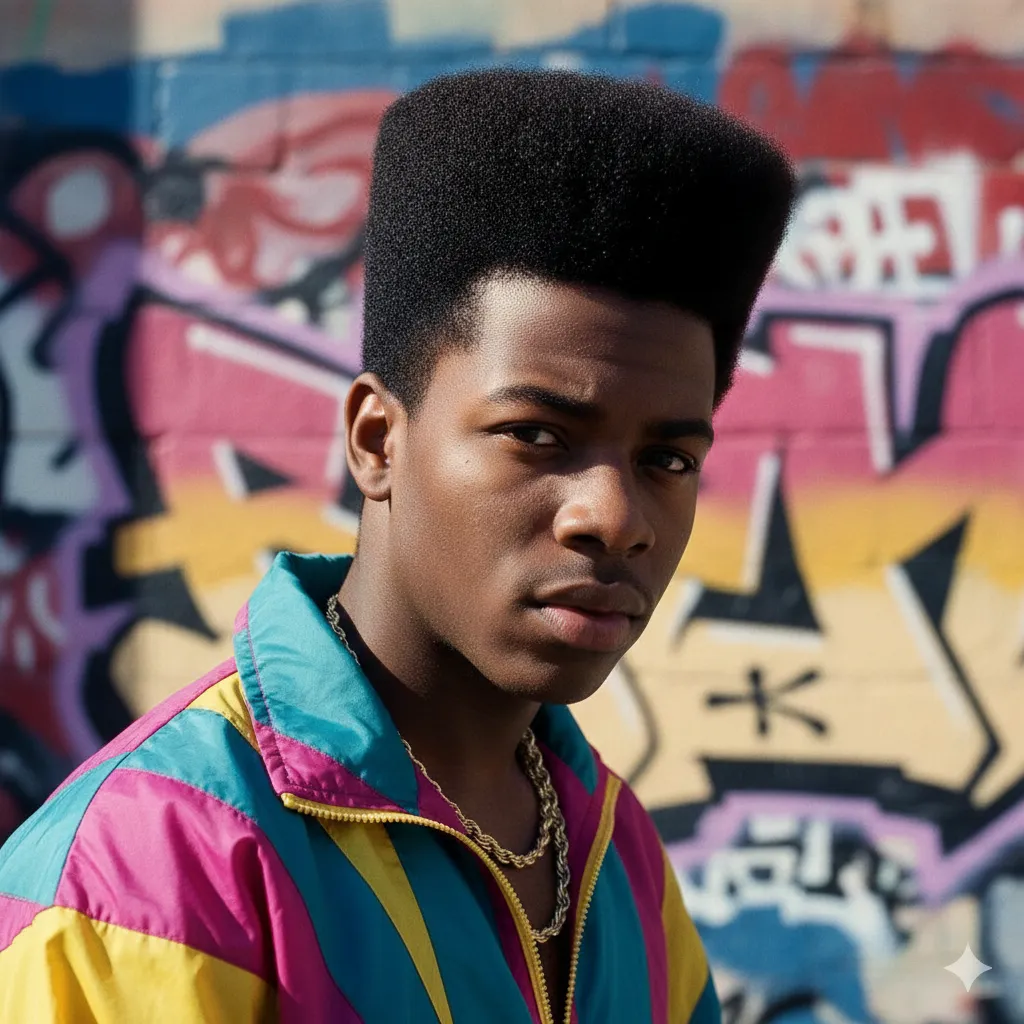
Big Daddy Kane and Kid ‘n Play were the artists who made the hi-top fade well known. The haircut was neat and eye-catching.
Hip-hop was growing fast and people showed their style with their hair. The fade was no longer just practical. It became a statement. Barbershops during this time became cultural hubs. Music played. Conversations flowed. Trends were born.
The 1990s–2000s: From Urban to Mainstream
In the 1990s and early 2000s, the fade became popular with more people. Athletes, actors and office workers all started trying different versions of the fade.

The style adapted easily:
- Low fades for a subtle look
- High fades for bold contrast
- Skin fades for a sharp finish
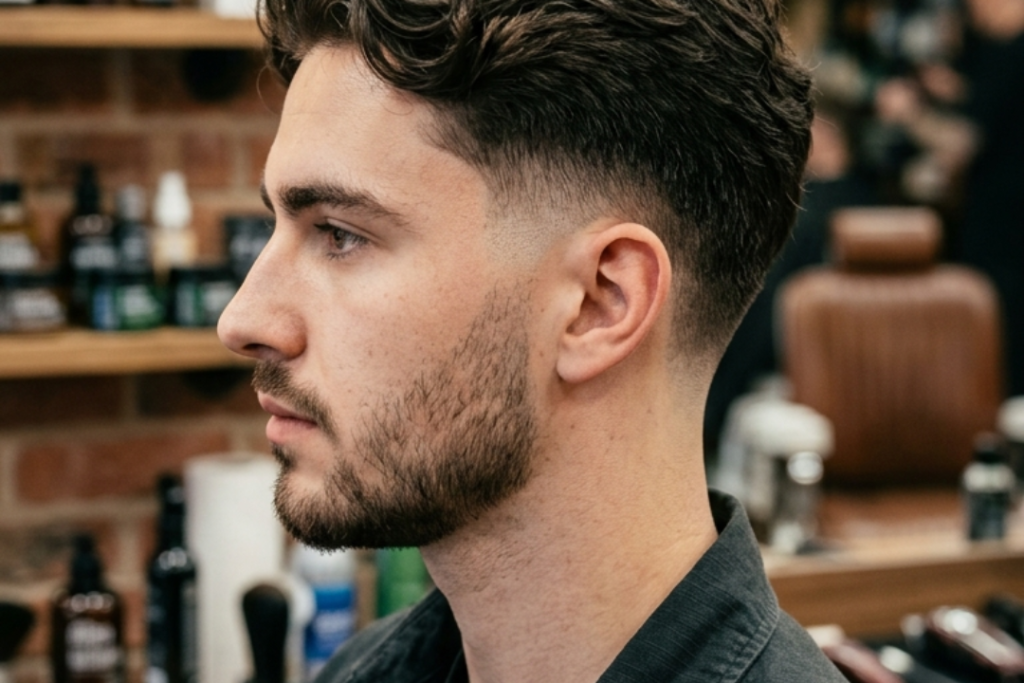
- Taper fades for a softer blend
The fade proved something important it could fit any lifestyle. You could wear it in a corporate office or on stage. It became universal.
The 2010s–Today: A Global Phenomenon
With the rise of Instagram, YouTube and TikTok, fade haircuts have reached every corner of the world. Barber influencers started sharing tutorials. Clients showed off clean blends online. New variations like drop fades and burst fades became popular.
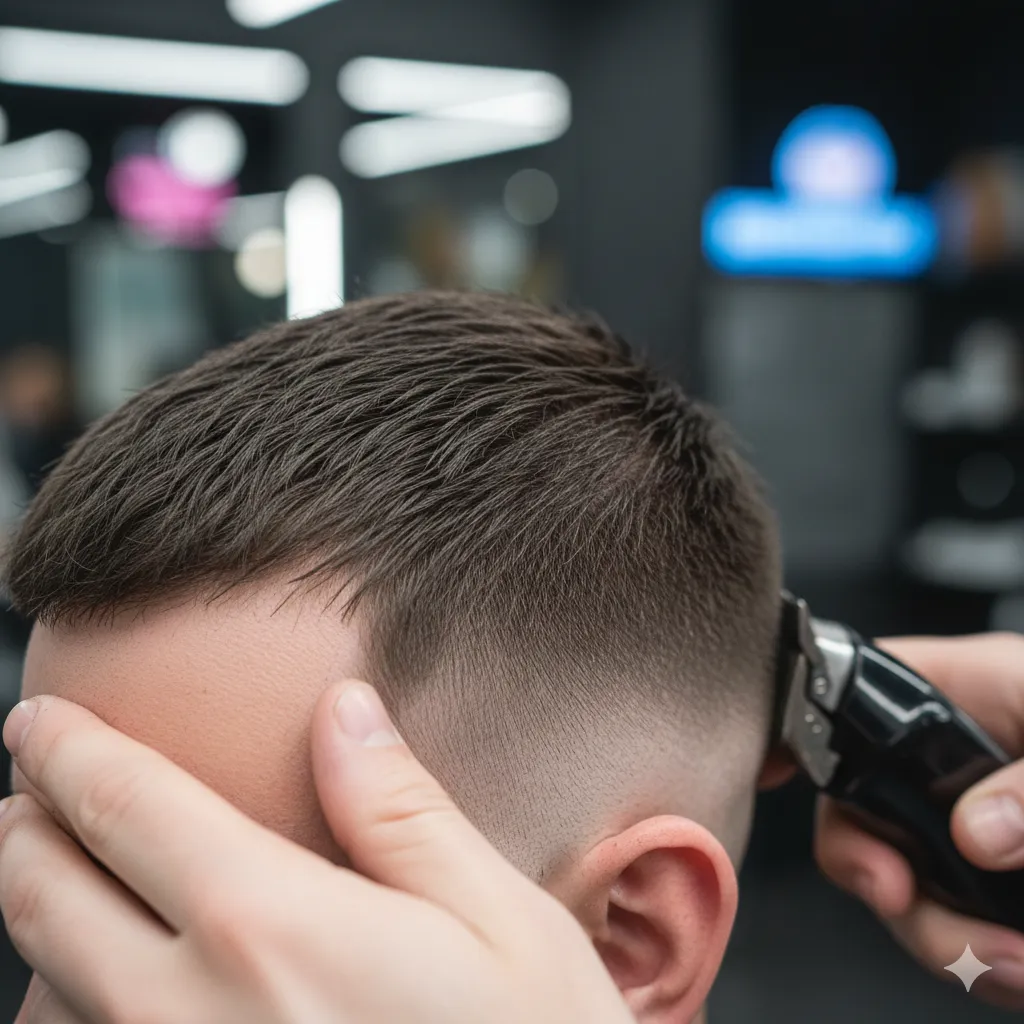
Celebrities also helped keep the style fresh. Stars like David Beckham and Zayn Malik have worn modern fade variations.
Today the fade fits all hair types like straight, curly, wavy or textured. It suits young people, adults and athletes.
It is truly global.
Why the Fade Never Goes Out of Style
The reason is simple: it looks good with many hairstyles.
It blends well with different haircuts on top like pompadours, short cuts, slick styles, curls or waves.
- It can look neat and professional or bold and modern.
- It can be soft and simple or sharp and strong.
Most importantly, it shows real skill. A good fade takes time, focus and a barber who really knows what they’re doing. And beyond style, the fade carries cultural roots. It grew from Black barber artistry, military discipline and hip-hop creativity. That history deserves respect.
Conclusion:
The fade haircut has a long history. It started with Black barbers was shaped by soldiers, grew popular in 1980s hip-hop and is now seen on social media.
It is more than just a style.
- It is history.
- It is culture.
- It is identity.
And it is here to stay.