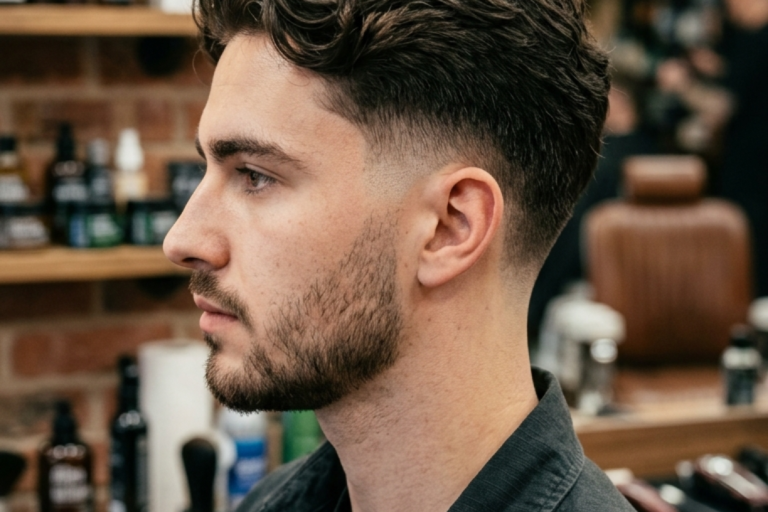
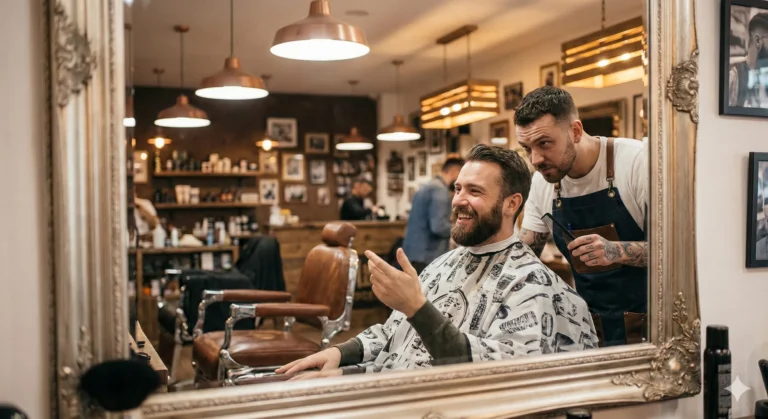
Barber Terminology for Beginners: Simple Haircut Terms Explained
Going to a barbershop should feel comfortable, not confusing.
But many beginners feel lost when a barber asks questions like:
- Fade or taper?
- What number on the sides?
- Do you want a line up?
If you don’t understand these words , you may end up with a haircut you didn’t expect.
This guide explains barber terminology in very simple words, so you can confidently explain what you want and walk out happy every time.
Why Barber Terminology Is Important
A barber is skilled, but they are not mind readers.
If you use unclear words, the barber must guess and that’s when mistakes happen.
Knowing basic barber terms helps you:
- Explain your haircut clearly
- Avoid misunderstandings
- Save time in the chair
- Get consistent results every visit
You don’t need to learn everything.
Just understanding the most common terms makes a big difference.
Fade vs Taper
This is the most confusing part for beginners so lets keep it very simple.
What Is Fade?
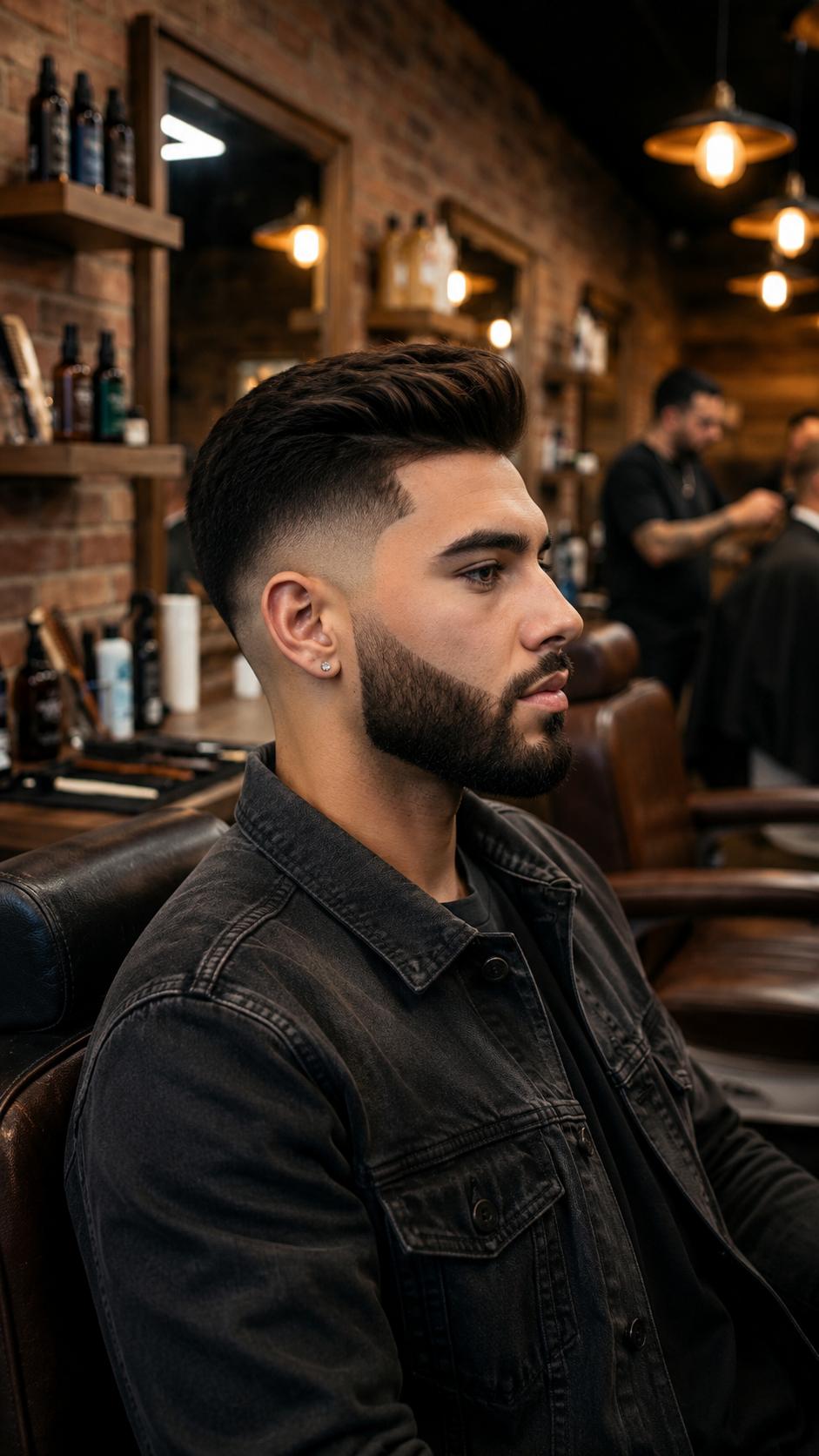
A fade is when hair slowly blends from longer hair into very short hair on the sides and back.
In some fades, the hair goes:
- Very short
- Or completely down to skin
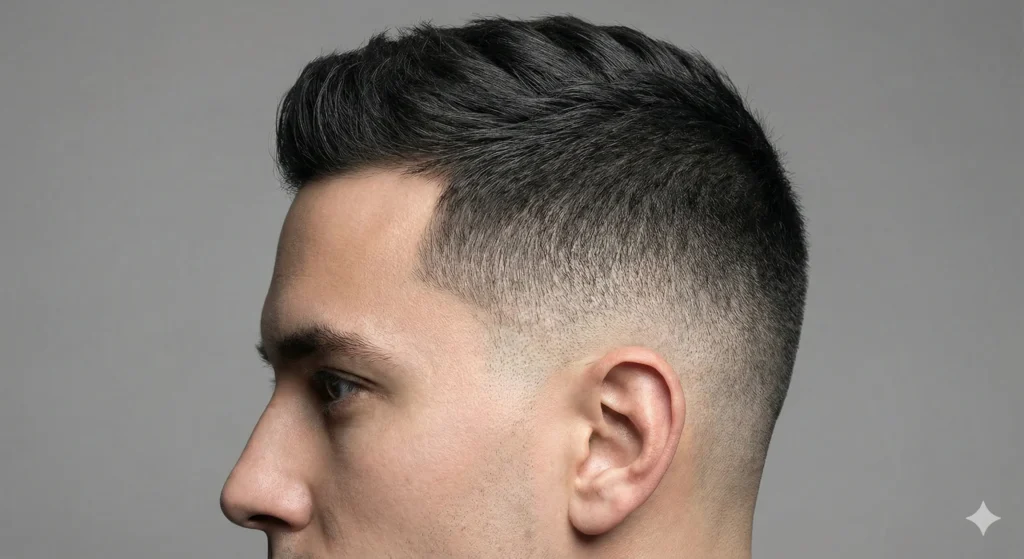
Common types of fades:
- Low fade – starts near the ears (safe for beginners)
- Mid fade – starts halfway up the sides
- High fade – starts high and looks bold
- Skin/Bald fade – fades down to bare skin
Fade = modern, sharp, noticeable
What Is a Taper?
A taper is a light clean-up only at:
- The sideburns
- The neckline
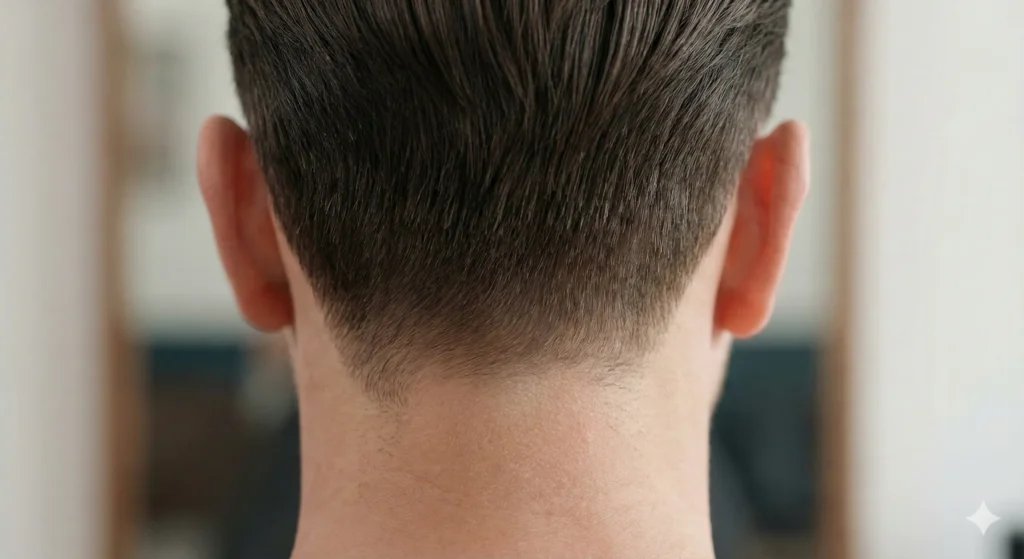
The hair does not go to skin and does not go high up the head.
Taper = natural, soft, professional
Beginner Advice
If you are unsure:
- Choose a taper for a safe, clean look
- Choose a low fade if you want something stylish but not extreme
Clipper Guard Numbers Explained Simply
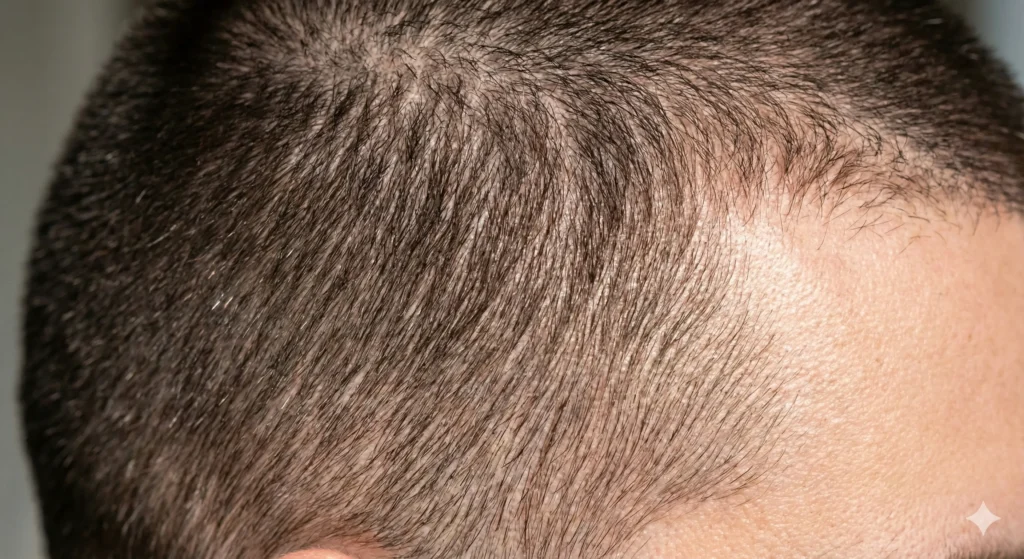
Barbers use clipper guards called numbers to control hair length.
Here’s what they mean:
- #1 – very short
- #2 – short but visible hair
- #3 – neat and classic
- #4 – longer and fuller
Important Tip:
If you don’t know numbers, don’t guess.
Instead say:
“Not too short. Keep it natural.”
A good barber will guide you.
Basic haircut words every beginner should know.
These are words you hear a lot in a barbershop.
- Fade – hair blends from long to short
- Skin Fade – fade goes to skin
- Taper – light edge clean-up
- Crew Cut – short and neat all over
- Buzz Cut – same length everywhere
- Fringe – hair that falls on the forehead
- Textured Cut – messy, natural movement
- Undercut – long top, very short sides (no blend)
- Hard Part – shaved line for style
You don’t need to request all these, just recognize them.
Barber Cutting Techniques (Explained in Easy Language)
You don’t need to ask for techniques, but it helps to understand them.
Clipper Cut
Used for short hair, fades, and clean sides.
Scissor Cut
Used for longer hair and better shape on top.
Blending
Makes different hair lengths look smooth together.
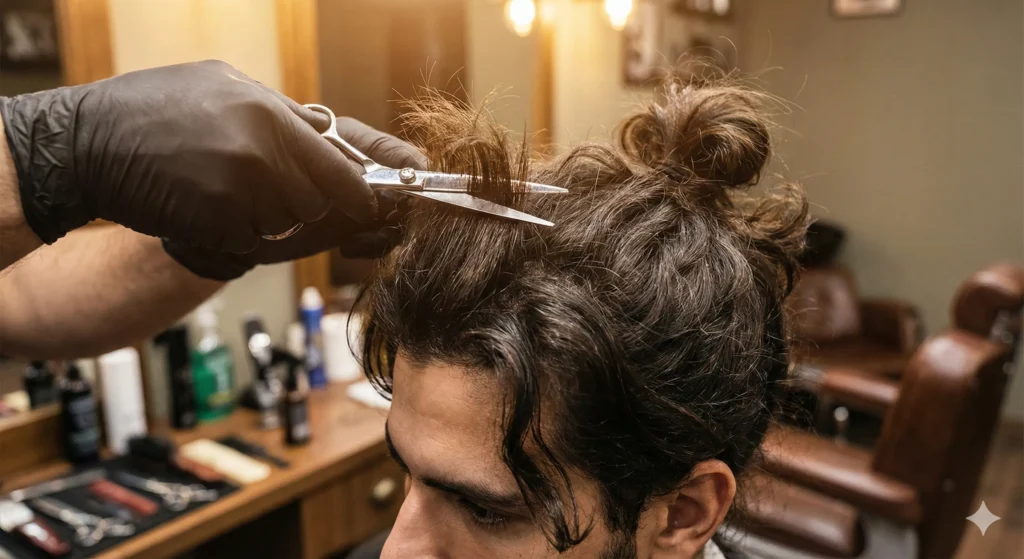
Texturizing
Removes heaviness and adds movement.
Point Cutting
Softens sharp edges so hair looks natural.
Beard Terminology Beginners Should Know
If you have a beard, mention it. Barbers treat hair and beard together.
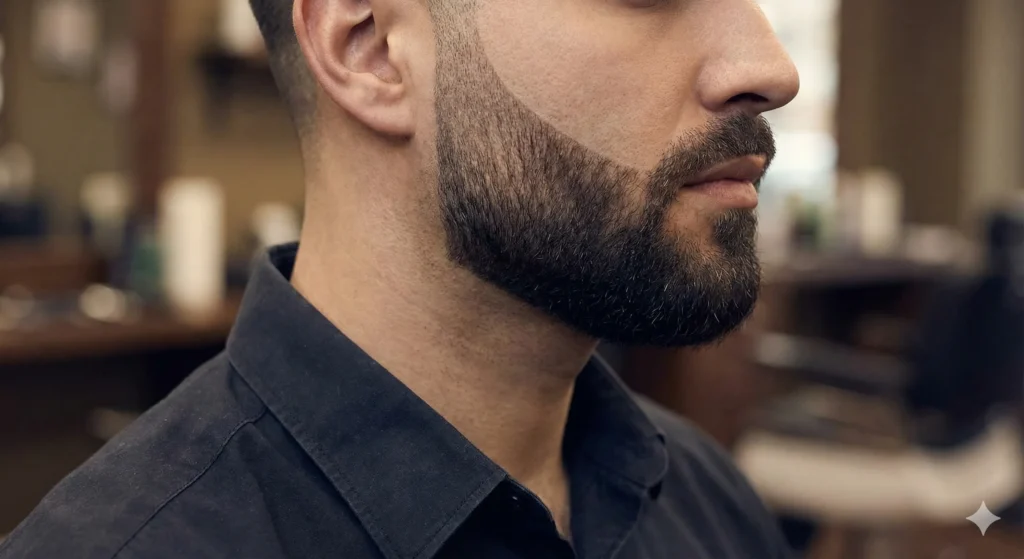
- Line-up – sharp edges on beard or hairline
- Beard Shape – overall outline of beard
- Tapered Beard – beard blends into haircut
- Neckline – bottom line of the beard
- Cheek Line – top beard line
Simple sentence you can use:
“Please keep the beard natural and clean.”
How to Explain Your Haircut to a Barber (Step-by-Step)
Use this order every time:
- Sides & Back
Low fade or taper?
- Top Length
Short, medium, or long?
- Maintenance Level
Easy or styled daily?
- Beard (if any)
Natural, shaped, or faded?
- Reference Photo
Always helps
If you are confused, say:
“I want something clean and easy to maintain.”
Common Beginner Mistakes at the Barber:
Avoid these mistakes:
- Saying “do whatever you want”
- Not explaining lifestyle or job
- Using barber terms incorrectly
- Being afraid to ask questions
- Forgetting beard details
A good barber prefers questions, not silence.
Quick Barber Terms Cheat Sheet:
- Fade – blended short sides
- Taper – light edge clean-up
- Line-up – sharp hairline
- Textured – natural movement
- Guard Number – hair length control
Final Summary :
Understanding barber terminology helps you explain your haircut clearly and avoid bad results. You don’t need to know everything, just the basics. Clear words, honest answers, and reference photos lead to better haircuts every time.
Frequently Asked Questions
A low fade or taper with medium top length is safest.
No. Fades are bold. Tapers are subtle.
Every 3–5 weeks, depending on growth.
Yes. Photos reduce mistakes.

Muhammad Zeeshan
Welcome to Urban Gentify, where grooming meets confidence and style meets simplicity. Whether you're searching for the best haircut, trying to grow your hair faster, shaping the perfect beard, or upgrading your fashion game — you're in the right place.
Related Posts
100+ Ideas To Choosing The Right Cut for Your Style, Hair Type, and Lifestyle

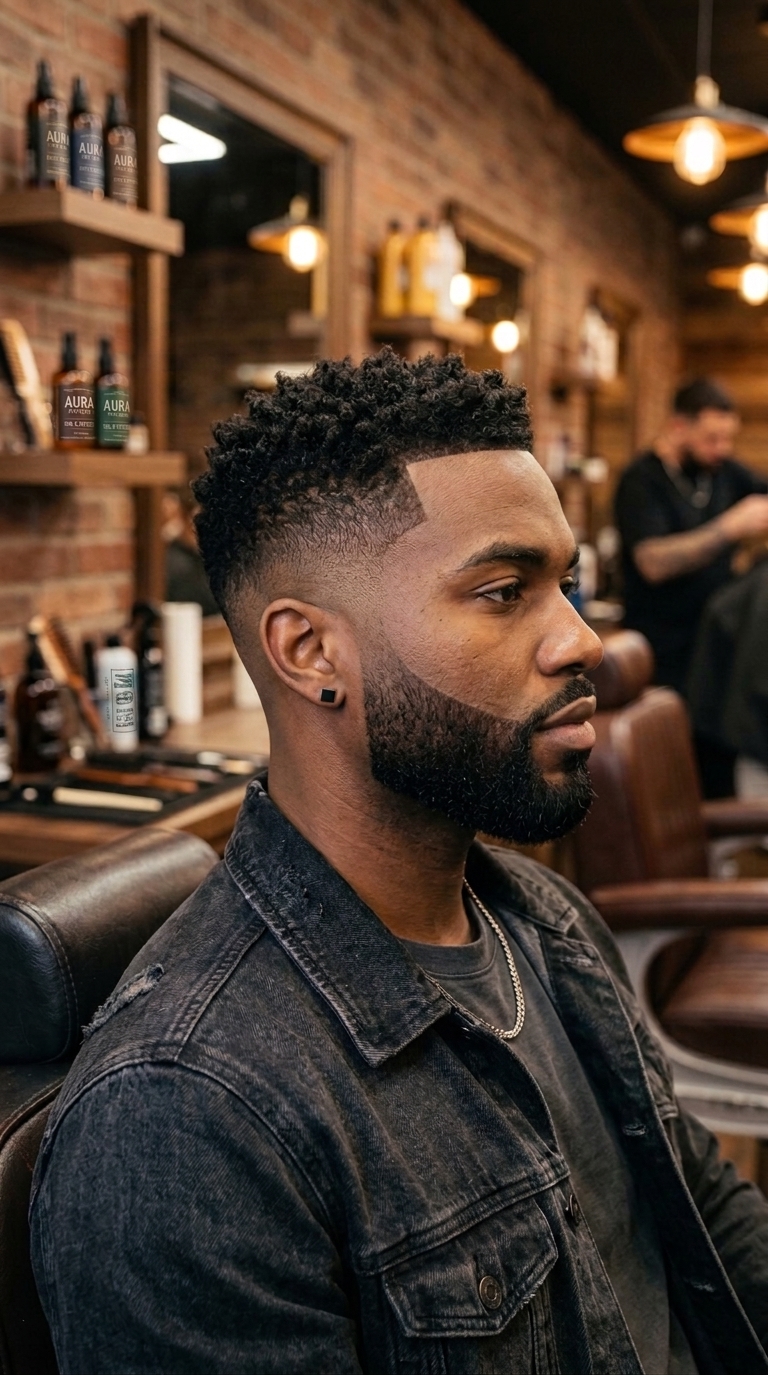
Low Taper Fade with Beard for Black Men: Best Styles and Grooming Tips