

Introduction:
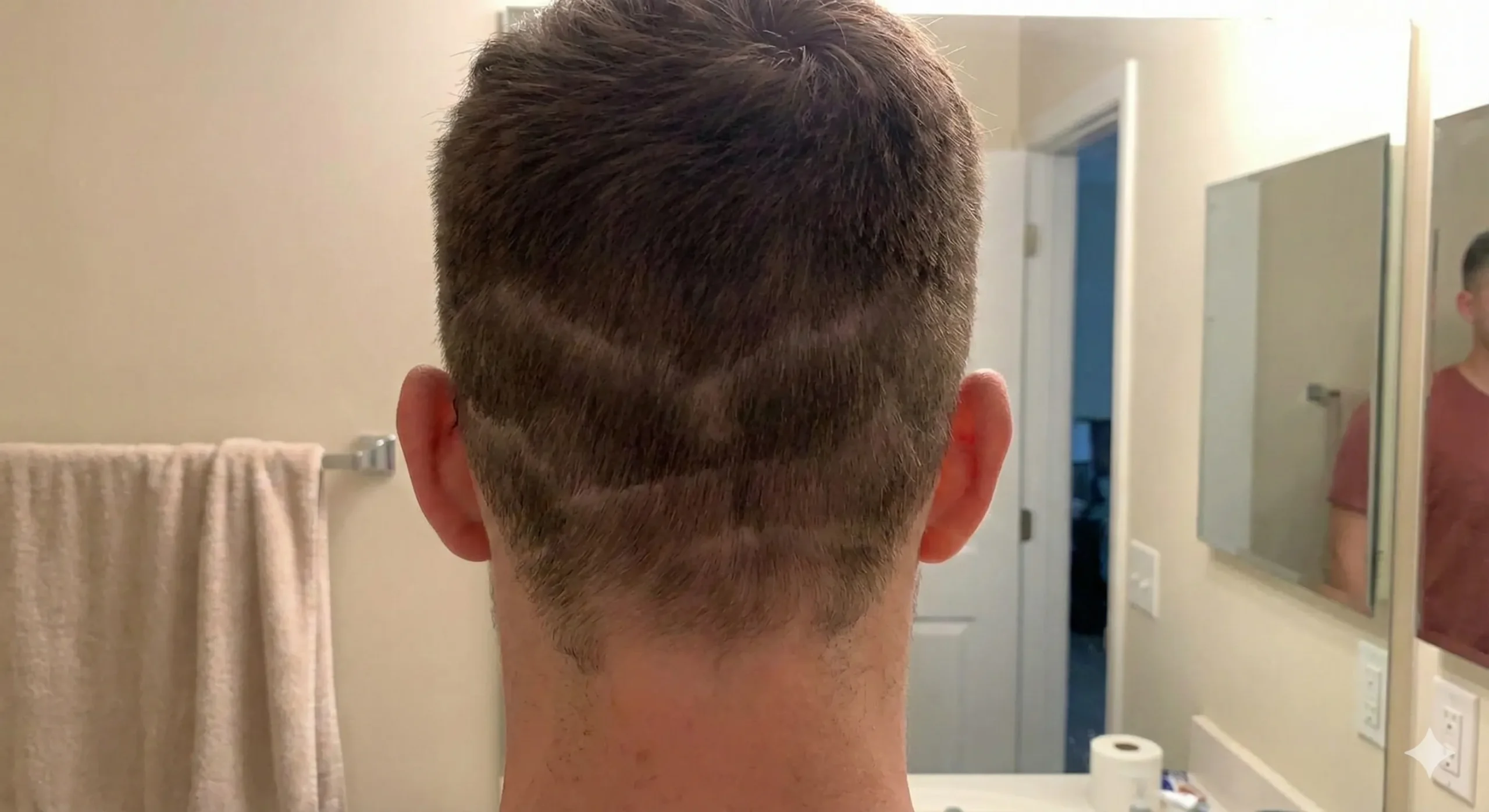
A fade line is a very common haircut problem especially when cutting hair at home. Most people deal with it at least once.
The good news is:
A fade line does NOT mean your haircut is ruined.
Most fade lines happen because of small mistakes not because you did something terribly wrong. When you understand why the line appears and how blending works fixing it becomes much easier.
What Is a Fade Line?
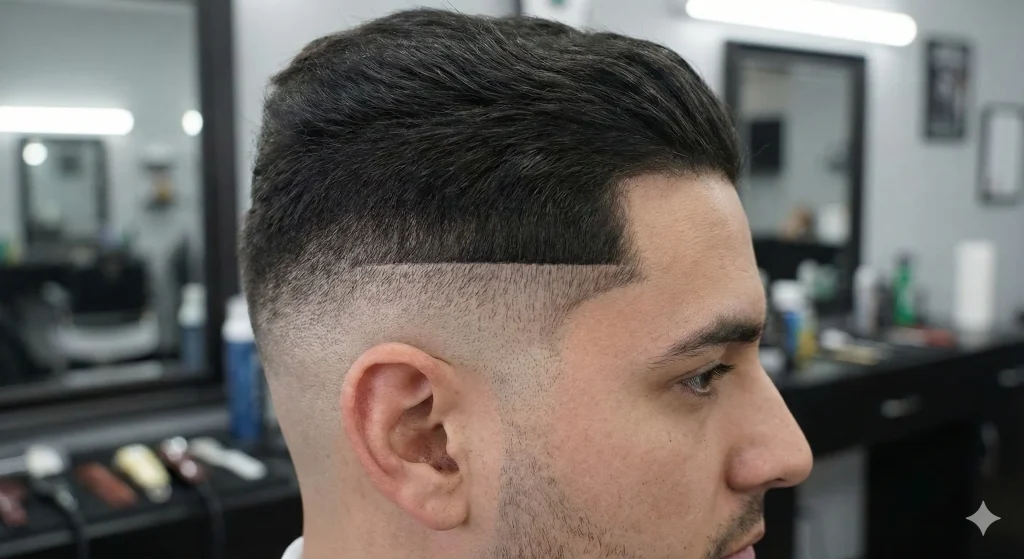
A fade line is a noticeable dark or sharp line between two hair lengths.
Instead of hair slowly changing from short to long, it suddenly jumps. That sudden change is what your eyes catch.
Why our eyes notice it:
Human eyes easily spot contrast. When one area is much darker or thicker than the area below it, the line becomes obvious.
Why Fade Lines Happen
Fade lines usually appear because of one or more of these reasons:
1. Jumping Guard Sizes Too Fast
If you go from no guard straight to a #1, the hair length changes too quickly. There’s no “middle step,” so a line forms.
2. Pressing the Clipper Too Hard
Pressing hard pushes the blades deeper into the hair. This removes too much hair at once, creating a harsh edge.
3. Not Using the Clipper Lever
The lever is there to create tiny length changes. Ignoring it is like skipping steps on stairs.
4. Cutting Straight Up
Moving straight up cuts hair evenly in one spot. Blending needs a curve and flick, not a straight motion.
Tools You Need
- Clippers with lever → allows small length changes
- 0.5 / 1 / 1.5 guards → helps smooth transitions
- Comb → lifts hair to see uneven spots
- Mirror → helps you avoid overcutting
You don’t need expensive barber tools. Technique matters more than tools.
How to Fix a Fade Line
A. If the Fade Line Looks Dark
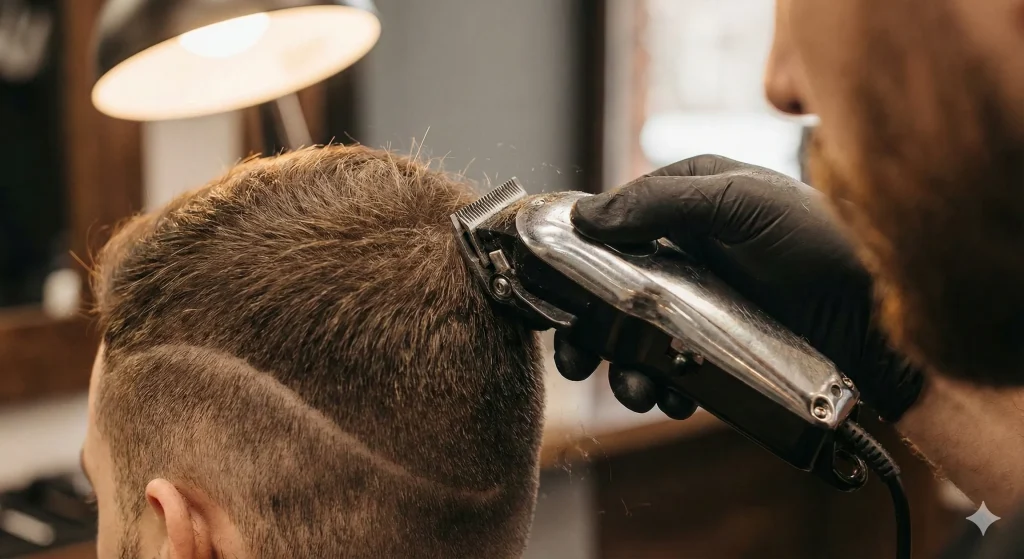
This means the hair above the line is too thick compared to the hair below.
Why this works:
Using the same guard softens the transition without making a new line.
How to fix it properly:
- Put on the same guard that created the line
- Open the clipper lever halfway
- Use very light pressure
- Flick the clipper outward, not straight up
The flick motion slowly removes hair instead of chopping it off.
B. If the Fade Line Won’t Blend (Stubborn Line)
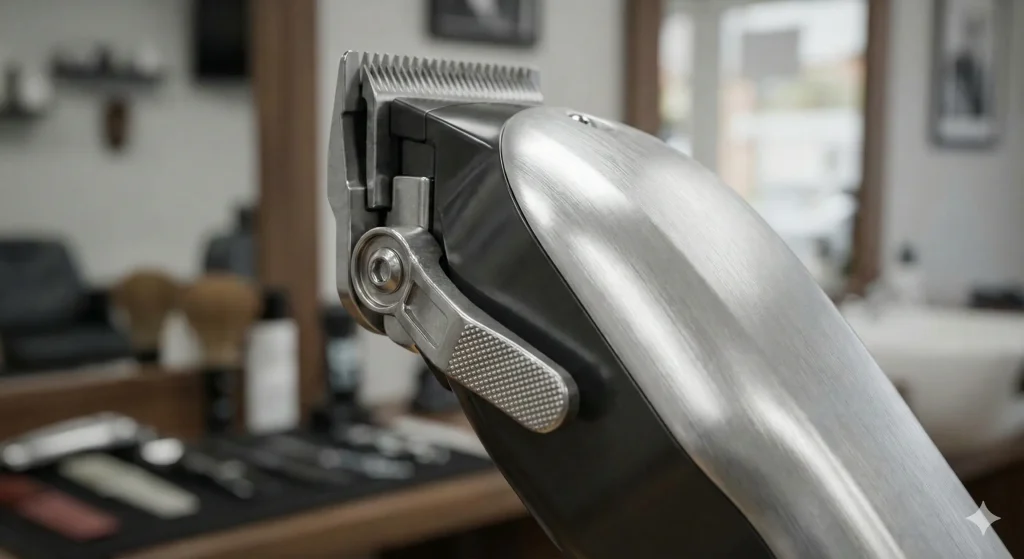
Some lines stay because the length difference is too big.
What beginners usually do wrong:
They keep cutting harder and higher. This only makes things worse.
Correct method:
- Keep the same guard
- Slowly open the lever little by little
- Use short strokes
- Stop after every few passes and check
Think of blending like shading with a pencil, not erasing with force.
C. If You Went Too High (Overcut Fade)
This happens when panic kicks in.
Why cutting more is bad:
Every cut removes hair permanently. You can’t put it back.
Smart fix:
- Stop cutting immediately
- Blend below the line, never above
- Let the top grow naturally
- Use styling to hide it temporarily
Sometimes the best fix is patience.
Common Fade Line Mistakes
| Mistake | Why It Happens | Better Option |
| Pressing too hard | Trying to fix fast | Use light touch |
| Skipping guards | Lack of patience | Use 0.5 guard |
| Cutting straight up | Feels natural | Flick out |
| Rushing | Fear of mistakes | Slow down |
Beginner Guard Size Example
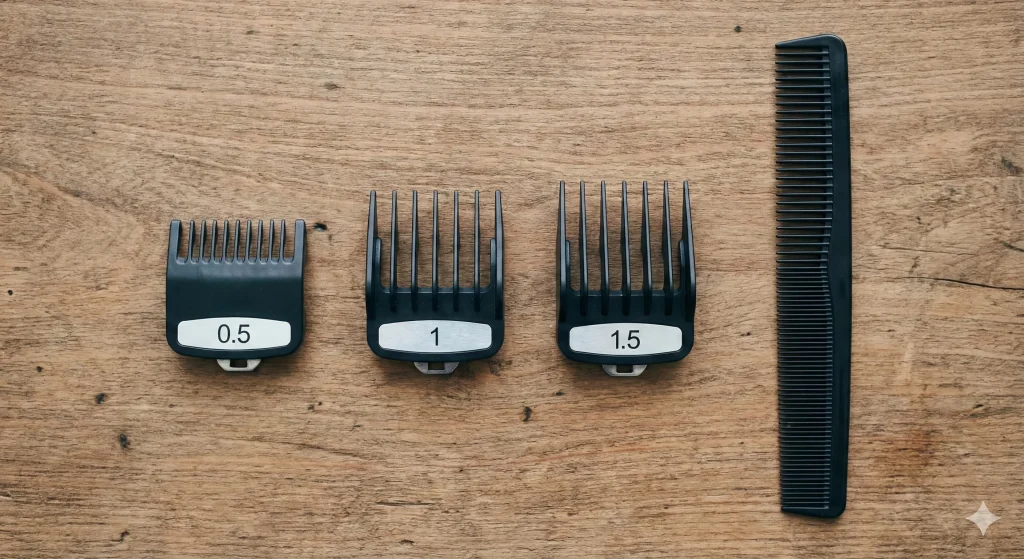
Here’s a safe blending path:
- No guard → bottom
- Lever half open → soften line
- Lever fully open → blend higher
- 0.5 guard → smooth transition
- 1 guard → connect to top
Each step removes just a little hair, which prevents lines.
How to Prevent Fade Lines Next Time (Why These Work)
- Start lower → gives room to blend
- Good lighting → helps spot lines early
- Small sections → more control
- Clean loose hair → shows real progress
- Take breaks → prevents panic cutting
Fades fail when rushed. They succeed when slow.
FAQs:
Can a fade line be fixed without a barber?
Yes. Most fade lines are minor and can be blended at home.
Which guard removes fade lines best?
Usually 0.5 guard or the same guard with the lever open.
Will a bad fade grow out?
Yes. In 1–2 weeks, most mistakes soften naturally.

Final Summary:
Fade lines are normal, especially for beginners. They happen when hair length changes too quickly. The fix is light pressure, small steps, and flicking out, not cutting higher. Slow blending always beats rushing.